
Overview
Introduction to Dachshunds
Dachshunds, also known as wiener dogs, are a popular breed of small-sized dogs that are characterized by their long bodies and short legs. They are often depicted as lively, playful, and loyal companions. Despite their small size, Dachshunds are known for their courageous and fearless nature. They were originally bred in Germany to hunt badgers, and their name actually translates to ‘badger dog' in German. Dachshunds come in different coat varieties, including smooth, wirehaired, and longhaired. Each coat type has its own unique characteristics and requires specific grooming needs. In this article, we will explore some common myths and misconceptions about Dachshunds and separate fact from fiction.
Common Myths and Misconceptions
Dachshunds are often misunderstood, leading to the development of several common myths and misconceptions. One of the most prevalent myths is that Dachshunds are terrier breeds. However, this is not true. Dachshunds are actually hound dogs, known for their long bodies and short legs. They were bred to hunt badgers, which is why they have a strong prey drive and a tenacious personality. Despite their small size, Dachshunds are courageous and independent. Another common misconception is that Dachshunds are difficult to train. While they can be stubborn at times, with proper training and consistency, Dachshunds can be obedient and well-behaved companions. It is important to debunk these myths and understand the true nature of Dachshunds to appreciate their unique qualities and characteristics.
Importance of Separating Fact from Fiction
Separating fact from fiction is crucial when it comes to understanding dachshunds. There are many popular myths and misconceptions surrounding these adorable dogs, and it is important to debunk them with accurate information. By separating fact from fiction, we can ensure that dachshund owners and enthusiasts have a clear understanding of their needs, behaviors, and health. This knowledge is essential for providing the best care and training for these beloved pets. Should you come across any misinformation or myths about dachshunds, it is important to verify the facts and share accurate information to prevent the spread of false beliefs. By doing so, we can promote responsible ownership and ensure that dachshunds receive the love and care they deserve.
Myth 1: Dachshunds are Aggressive
Origins of the Aggression Myth
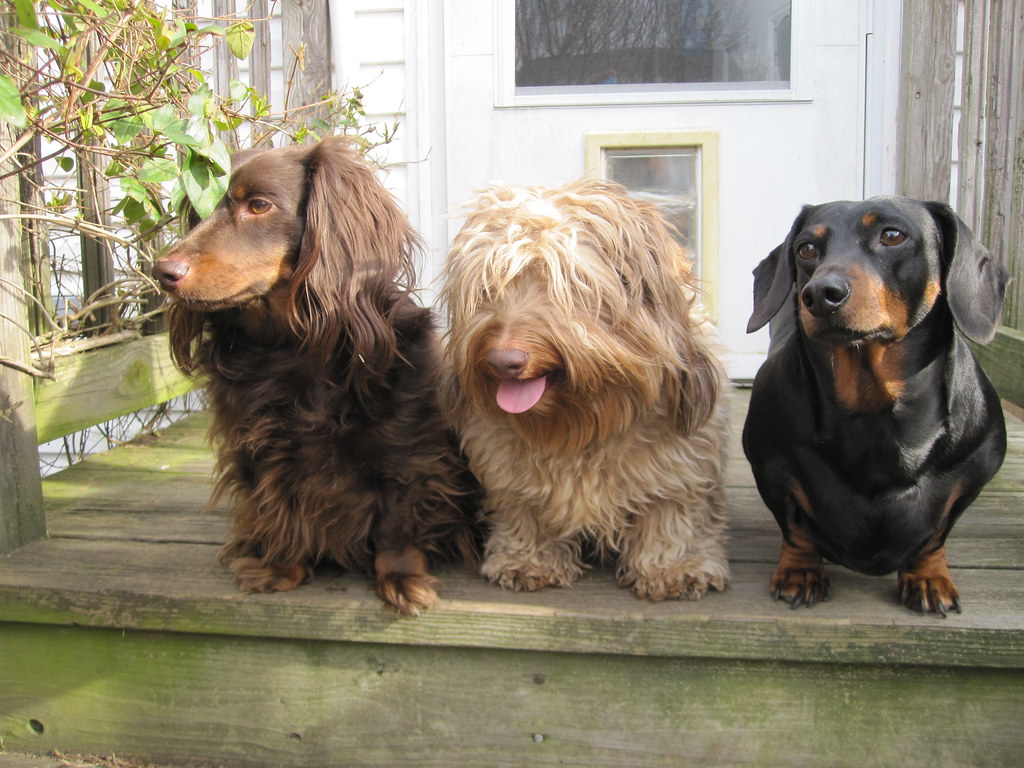
The origins of the aggression myth surrounding Dachshunds can be traced back to a combination of misconceptions and misunderstandings. One of the most important factors is the portrayal of Dachshunds in popular culture, which often depicts them as aggressive and prone to biting. However, this stereotype is far from the truth. Dachshunds are actually a loving and affectionate breed, known for their loyalty and devotion to their owners. It is important to separate fact from fiction when it comes to Dachshunds and understand that their behavior is largely dependent on their upbringing and environment. By providing proper training, socialization, and care, Dachshunds can be well-behaved and friendly companions.
Understanding Dachshund Behavior
Understanding Dachshund Behavior is crucial for any dog owner. These small but mighty dogs have a unique temperament that can be misunderstood. One of the most common misconceptions is that Dachshunds are aggressive. While they can be protective of their owners, they are not inherently aggressive. Another myth is that Dachshunds are difficult to train. In reality, they are intelligent and can be trained with patience and positive reinforcement. It is also important to note that Dachshunds are prone to separation anxiety, so proper socialization and training from a young age is essential. By understanding Dachshund behavior, owners can provide the necessary care and support for their beloved pets.
Debunking the Aggression Myth
German Shepherds are often mistakenly associated with aggression. However, this is a myth that needs to be debunked. While it is true that German Shepherds can be protective and have strong guarding instincts, they are not inherently aggressive. Like any other breed, their behavior is largely influenced by their upbringing and training. With proper socialization and positive reinforcement, German Shepherds can be friendly, loyal, and well-behaved companions. It is important to separate fact from fiction when it comes to the aggression myth surrounding German Shepherds.
Myth 2: Dachshunds are Difficult to Train

Factors that Contribute to the Training Difficulty Perception
There are several factors that contribute to the perception of training difficulty in Dachshunds. First, their stubborn nature can make them resistant to training. Dachshunds are known for their independent thinking and strong-willed personalities, which can make them challenging to train. Additionally, their small size and low-to-the-ground stature can lead to a perception that they are less capable of learning and following commands. However, it is important to note that these factors do not necessarily mean that Dachshunds are impossible to train. With patience, consistency, and positive reinforcement, Dachshunds can be successfully trained and overcome any perceived training difficulties.
Effective Training Techniques for Dachshunds
When it comes to training dachshunds, it is important to use effective techniques that take into account their unique characteristics. Dachshunds are known for their intelligence and stubbornness, which can make training a challenge. However, with the right approach, dachshunds can be trained to be well-behaved and obedient. One effective training technique for dachshunds is positive reinforcement. This involves rewarding the dog with treats, praise, and affection when they exhibit the desired behavior. By associating good behavior with positive rewards, dachshunds are more likely to repeat the behavior in the future. Another important technique is consistency. Dachshunds thrive on routine and consistency, so it is important to establish clear rules and expectations and stick to them. This helps dachshunds understand what is expected of them and reduces confusion. Additionally, using short and frequent training sessions can help keep dachshunds engaged and focused. It is also important to be patient and understanding during the training process, as dachshunds may take longer to learn certain commands. With consistent and positive training techniques, dachshunds can become well-behaved and obedient companions.
Success Stories of Well-Trained Dachshunds
Dachshunds are often misunderstood and underestimated when it comes to their trainability and intelligence. However, there are numerous success stories that showcase the impressive cognitive abilities of these adorable dogs. Many dachshund owners have reported their pets excelling in obedience training, agility competitions, and even advanced tricks. These success stories debunk the myth that dachshunds are stubborn and difficult to train. Instead, they highlight the potential of well-trained dachshunds to excel in various activities and showcase their intelligence and problem-solving skills. For example, one owner shared how their dachshund quickly learned to retrieve objects and even mastered the concept of opening doors. Another owner highlighted their dachshund's ability to navigate complex obstacle courses with precision and agility. These success stories demonstrate that with the right training and dedication, dachshunds can surpass expectations and showcase their remarkable cognitive abilities.
Myth 3: Dachshunds are Not Good with Children

Misconceptions about Dachshund Temperament
Dachshunds are often misunderstood when it comes to their temperament. Many people believe that Dachshunds are aggressive and difficult to train, but this is a common misconception. In reality, Dachshunds can be loving and affectionate companions when properly trained and socialized. While they may have a strong prey drive and be protective of their owners, they are not inherently aggressive. It is important to remember that a dog's behavior is influenced by various factors, including their upbringing and environment. Therefore, generalizing the temperament of all Dachshunds based on a few negative experiences is unfair. It is also worth noting that each individual Dachshund may have their own unique personality and behavior traits, just like any other dog breed.
Tips for Introducing Dachshunds to Children
Introducing Dachshunds to children can be a rewarding experience for both parties involved. However, it is important to take certain precautions to ensure a smooth and safe introduction. When introducing a Dachshund to children, it is crucial to pay attention to their body language and behavior. This will help you determine if the dog is comfortable and ready for interaction. Additionally, it is important to teach children how to properly approach and interact with the dog. This includes avoiding sudden movements, loud noises, and rough play. By following these tips, you can create a positive and harmonious relationship between Dachshunds and children.
Benefits of Dachshunds as Family Pets
Dachshunds are not only adorable but also make excellent family pets. They are known for their loyalty and affection towards their owners. Dachshunds are great companions and are always ready to shower their family members with love and attention. They are also very intelligent and can be easily trained. Additionally, dachshunds are small in size, making them suitable for both small apartments and larger homes. Despite their small stature, dachshunds have a big personality and are often described as fearless and courageous. They are also known for their playful nature, which makes them a great choice for families with children. Dachshunds are also low maintenance when it comes to grooming, with their short coats requiring minimal brushing. Overall, dachshunds bring joy, love, and laughter to any family lucky enough to have them as pets.
Myth 4: Dachshunds are Prone to Back Problems
Understanding Dachshund Anatomy
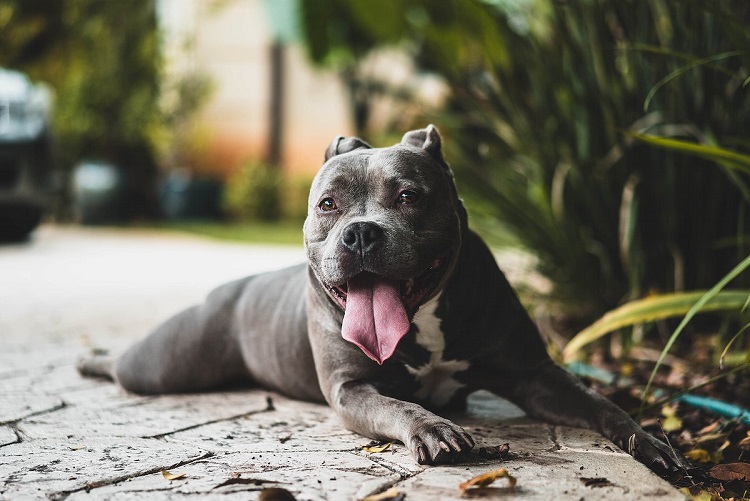
Understanding Dachshund Anatomy is crucial for any dog owner. Dachshunds have a unique body structure that sets them apart from other breeds. Their long, low-slung bodies and short legs are specifically designed for hunting small game, like badgers and rabbits, in narrow burrows and tunnels. This distinctive anatomy allows them to maneuver through tight spaces and dig with ease. Additionally, their elongated spine and muscular hindquarters give them the power and agility needed to chase and capture prey. It is important to note that their long backs make them prone to spinal issues, so it is essential to provide proper support and avoid activities that can strain their backs. Overall, understanding Dachshund anatomy is key to providing them with the care and attention they need.
Preventive Measures for Back Problems
Preventive Measures for Back Problems
Back problems are a common issue among Dachshunds, but there are several preventive measures that can help reduce the risk. One of the most important considerations for getting a Dachshund is their long back. Their unique body structure makes them more prone to back problems, so it's crucial to take extra care. Providing proper support and cushioning for their backs is essential, especially when they are jumping or climbing stairs. Regular exercise is also important to keep their muscles strong and prevent weight gain, which can put additional strain on their backs. Additionally, it's important to avoid activities that involve excessive jumping or twisting, as these can increase the risk of back injuries. By following these preventive measures, Dachshund owners can help minimize the occurrence of back problems and ensure the overall health and well-being of their beloved pets.
Managing and Treating Back Problems in Dachshunds
Managing and treating back problems in Dachshunds requires a comprehensive approach that combines proper care, preventive measures, and medical intervention. One of the key factors in managing back problems is providing a supportive environment for the Dachshund. This includes using orthopedic beds or cushions that offer adequate spine support and minimizing activities that strain the back, such as jumping on and off furniture. Regular exercise is essential for maintaining a healthy weight, which reduces the strain on the back. Additionally, it is important to handle Dachshunds with care, avoiding excessive pulling or lifting that can put pressure on the spine. If a Dachshund shows signs of back pain or injury, immediate veterinary attention is crucial. Treatment options may include medication, physical therapy, and in severe cases, surgery. By being proactive in managing and treating back problems, Dachshund owners can help improve their pet's quality of life and prevent further complications.
Myth 5: Dachshunds are High-Maintenance Dogs

Exploring Dachshund Grooming Needs
Dachshunds have specific grooming needs that dog owners should be aware of. Due to their unique long and low body shape, Dachshunds are prone to back problems and should be handled with care during grooming. Regular brushing is essential to prevent matting and tangling of their long, silky coats. Additionally, their nails should be trimmed regularly to avoid overgrowth and discomfort. It is also important to clean their ears regularly to prevent infections. Proper grooming not only keeps Dachshunds looking their best but also helps maintain their overall health and well-being.
Diet and Exercise Requirements for Dachshunds
Dachshunds have specific diet and exercise requirements that owners need to be aware of. Due to their long bodies and short legs, Dachshunds are prone to weight gain and back problems. It is important to provide them with a balanced diet that is low in fat and high in protein. Regular exercise is also crucial for Dachshunds to maintain a healthy weight and strengthen their muscles. This breed enjoys daily walks and interactive playtime. However, it is important to avoid overexertion and activities that put strain on their backs. Owners should consult with their veterinarian to develop a diet and exercise plan that suits their Dachshund's individual needs.
Balancing Dachshund Care with a Busy Lifestyle
Balancing dachshund care with a busy lifestyle can be a challenge, but with proper planning and organization, it is possible to provide your furry friend with the love and attention they deserve. One key aspect of managing a busy schedule is setting a consistent routine for your dachshund's daily activities, including feeding, exercise, and bathroom breaks. Additionally, enlisting the help of a trusted dog walker or pet sitter can ensure that your dachshund gets the exercise and socialization they need when you are unable to be there. It is also important to create a safe and comfortable space for your dachshund while you are away, such as a designated area with their bed, toys, and water bowl. Finally, remember that quality time with your dachshund is essential, so make an effort to carve out dedicated bonding time each day, whether it's through playtime, training sessions, or simply cuddling on the couch. By finding a balance between your busy lifestyle and dachshund care, you can create a happy and fulfilling life for both you and your beloved pet.
Myth 6: Dachshunds are Not Suitable for Apartments

Adapting Dachshunds to Apartment Living
Living in an apartment doesn't mean you can't have a Dachshund as a pet. In fact, Dachshunds can adapt well to apartment living with the right care and attention. These small but energetic dogs are known for their intelligence and loyalty. With regular exercise and mental stimulation, Dachshunds can thrive in smaller living spaces. It's important to provide them with daily walks and playtime to keep them physically and mentally stimulated. Additionally, creating a designated potty area indoors or taking them outside frequently for bathroom breaks is crucial. Dachshunds are also prone to separation anxiety, so it's essential to spend quality time with them and ensure they feel secure and loved. With proper training and socialization, Dachshunds can become well-adjusted apartment companions, bringing joy and companionship to their owners.
Exercise and Mental Stimulation for Apartment Dachshunds
Apartment living can present unique challenges for dachshunds, particularly when it comes to exercise and mental stimulation. Contrary to popular belief, dachshunds are active and energetic dogs that require regular physical activity to maintain their overall health and prevent weight gain. While it may be tempting to assume that apartment living automatically means limited exercise opportunities, there are several ways to ensure that apartment dachshunds receive the exercise and mental stimulation they need. One effective method is to incorporate daily walks or runs into their routine, making use of nearby parks or open spaces. In addition, interactive toys and puzzle games can provide mental stimulation and keep dachshunds entertained while indoors. It is important to remember that exercise and mental stimulation are essential for the well-being of apartment dachshunds, and with proper planning and creativity, it is possible to meet their needs even in a limited space environment.
Testimonials from Dachshund Owners in Apartments
Testimonials from Dachshund Owners in Apartments
Living in an apartment with a dachshund can be a rewarding experience. Many owners have shared their positive experiences of having a dachshund as a companion in a small living space. One owner, Sarah, mentioned that her dachshund, Max, has adapted well to apartment living and is a great watchdog. Another owner, John, highlighted the fact that dachshunds are low-energy dogs, making them suitable for apartment living. He also mentioned that his dachshund, Bella, loves to cuddle up on the couch with him. It is clear from these testimonials that dachshunds can thrive in apartment settings, providing love, companionship, and a sense of security to their owners.


