
Overview
Introduction to collie breeding
Collie breeding is a complex and rewarding endeavor that requires careful consideration and responsibility. In this article, we will explore the key factors that responsible breeders should take into account when breeding collies. From selecting suitable parent dogs to ensuring the health and well-being of the puppies, there are many important aspects to consider. Breeding collies is not a decision to be taken lightly, as it involves a significant commitment of time, resources, and knowledge. However, for those who are passionate about the breed and dedicated to preserving its qualities, collie breeding can be a fulfilling and worthwhile pursuit.
Importance of responsible breeding
Responsible breeding plays a crucial role in ensuring the health and well-being of Collies. By prioritizing responsible breeding practices, breeders can help prevent the spread of genetic disorders and promote the overall quality of the breed. Responsible breeders carefully select breeding pairs based on their health, temperament, and conformation to breed standards. They also conduct thorough health screenings and genetic testing to identify and eliminate potential hereditary issues. Additionally, responsible breeders provide proper care and socialization to the puppies, ensuring they are well-adjusted and have the best start in life. By practicing responsible breeding, breeders contribute to the long-term sustainability and preservation of the Collie breed.
Key considerations for responsible breeders
When it comes to responsible breeding, there are several key considerations that breeders should keep in mind. First and foremost, breeders must prioritize the health and well-being of the dogs. This includes conducting thorough health screenings and genetic testing to identify and prevent any potential hereditary health issues. Additionally, responsible breeders should carefully select breeding pairs that complement each other in terms of temperament, conformation, and overall health. They should also have a deep understanding of the breed standard and work towards preserving and improving the breed's qualities. Furthermore, responsible breeders should be committed to finding suitable homes for their puppies and providing ongoing support and education to the new owners. Lastly, they should be actively involved in breed clubs and organizations, staying up-to-date with the latest research and best practices in dog breeding.
Understanding Collie Breeds
Different types of collie breeds
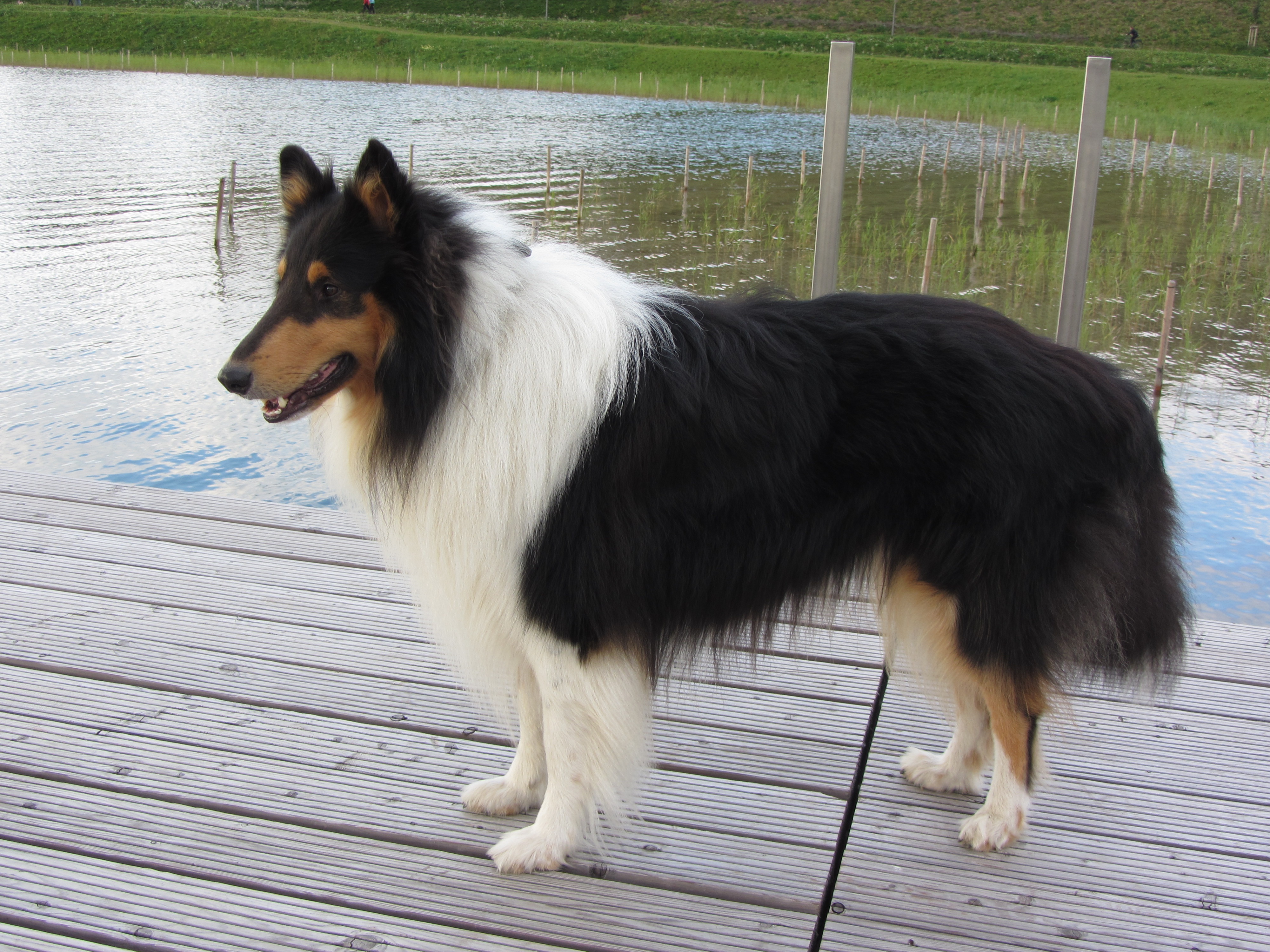
There are several different types of collie breeds, each with their own unique characteristics and traits. The most well-known collie breed is the Rough Collie, which is known for its long, flowing coat and intelligent nature. Another popular collie breed is the Smooth Collie, which has a shorter coat and a more athletic build. The Border Collie is a highly energetic and intelligent breed, often used for herding livestock. The Bearded Collie is known for its shaggy coat and friendly personality. Lastly, the Shetland Sheepdog, or Sheltie, is a small collie breed that is known for its agility and loyalty. With such a variety of collie breeds to choose from, responsible breeders must consider the specific needs and characteristics of each breed to ensure the health and well-being of their dogs.
Characteristics and traits of collie breeds
Collie breeds are known for their unique characteristics and traits. One of the most notable aspects of their behavior is their intelligence. Collies are highly intelligent dogs, making them easily trainable and quick learners. They are also known for their loyalty and devotion to their owners. Collies are often described as gentle and friendly, making them great family pets. Additionally, they have a strong herding instinct and are excellent working dogs. Collies are known for their alertness and protective nature, making them good watchdogs. Overall, the behavior of collie breeds is a combination of intelligence, loyalty, friendliness, and herding instincts.
History and origin of collie breeds
The history and origin of collie breeds provide an interesting insight into the development of these beloved dogs. Collies have a rich history that dates back centuries, with their origins traced to the border regions of Scotland and England. These intelligent and versatile dogs were initially bred for herding livestock, particularly sheep. Over time, collies gained popularity not only for their exceptional herding abilities but also for their loyalty, intelligence, and striking appearance. Today, collies are known for their gentle nature, keen intelligence, and adaptability. They have become popular as family pets, therapy dogs, and show dogs. An overview of the history and origin of collie breeds reveals their significant contributions to various fields and their enduring popularity.
Health and Genetic Testing
Common health issues in collie breeds
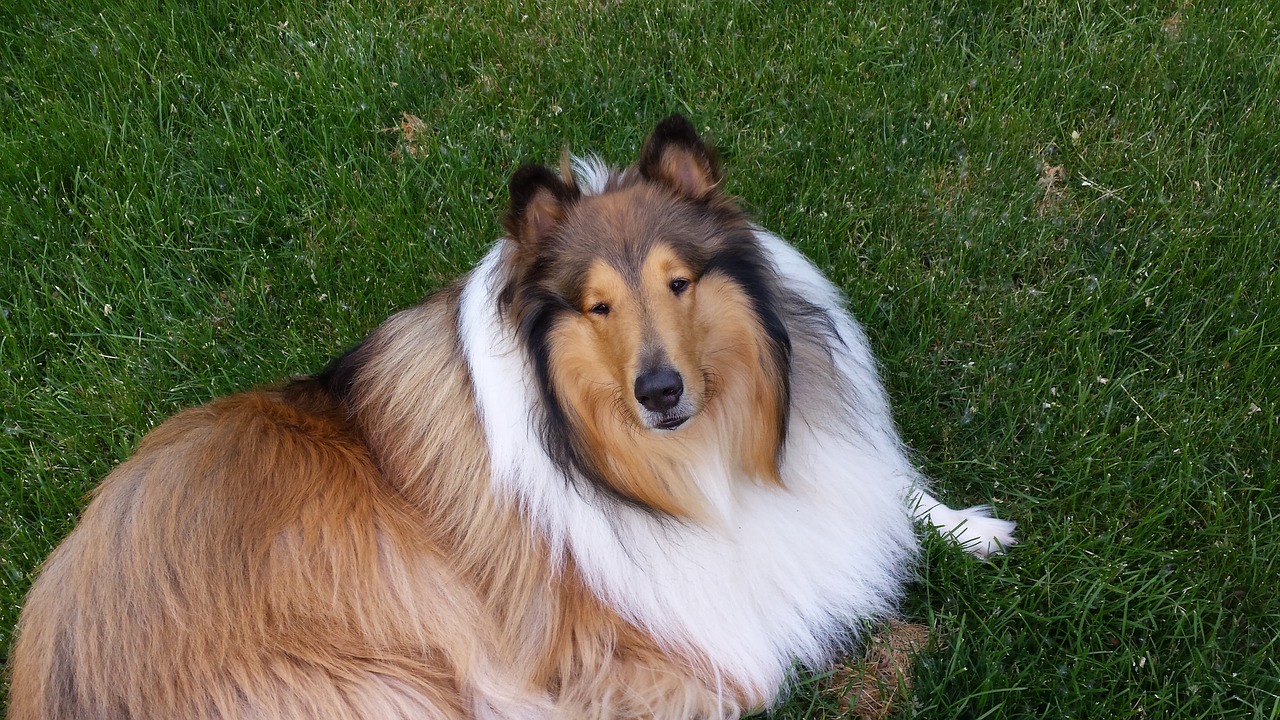
Collies are generally healthy dogs, but like all breeds, they are prone to certain health issues. It is important for responsible breeders to be aware of these common health issues and take appropriate measures to prevent and manage them. One of the most common health issues in collie breeds is progressive retinal atrophy (PRA), which is a degenerative eye disease that can lead to blindness. Another health concern in collies is hip dysplasia, a condition where the hip joint does not develop properly, causing pain and mobility issues. Collies are also at risk for developing collie eye anomaly (CEA), a genetic disorder that affects the development of the eye. Responsible breeders should ensure that their breeding stock is tested for these genetic conditions and take steps to minimize their occurrence in future generations. Regular veterinary check-ups, a balanced diet, and regular exercise are also important for maintaining the overall health and well-being of collies.
Importance of genetic testing
Genetic testing is of utmost importance for responsible breeders. It helps in identifying potential health issues and genetic disorders that may be present in the breeding stock. By conducting genetic tests, breeders can make informed decisions about which dogs to breed, ensuring that they are not passing on any hereditary diseases to their offspring. This practice helps in maintaining the overall health and quality of the breed. Additionally, genetic testing also provides valuable information about the genetic diversity within a breed, which is crucial for preventing the occurrence of certain genetic conditions. Therefore, responsible breeders should always prioritize genetic testing to ensure the well-being of their Collie puppies.
Recommended health tests for collie breeders
As responsible breeders, it is crucial to prioritize the health of collies. Becoming a collie breeder requires careful consideration of various health tests to ensure the well-being of the breed. These health tests help identify potential genetic diseases and conditions that can be passed on to future generations. Examples of recommended health tests for collie breeders include hip and elbow dysplasia evaluations, eye examinations for conditions like progressive retinal atrophy (PRA) and collie eye anomaly (CEA), as well as genetic testing for diseases such as degenerative myelopathy (DM) and multidrug resistance (MDR1). By conducting these tests, breeders can make informed decisions and take necessary precautions to prevent the spread of hereditary diseases and maintain the overall health and vitality of the collie breed.
Breeding Ethics and Standards

Code of ethics for collie breeders
As responsible breeders, it is essential to adhere to a code of ethics when breeding Collies. This code serves as a guideline to ensure the well-being and welfare of the breed. Breeding Collies is a serious responsibility, and it is crucial to prioritize the health and temperament of the dogs. We strive to maintain the breed's standards by conducting health tests and screenings to prevent hereditary diseases. We also emphasize responsible breeding practices, including proper socialization and training for the puppies. Additionally, we are committed to finding suitable homes for our Collie puppies, ensuring they are placed in loving and responsible environments. By following this code of ethics, we aim to contribute to the betterment of the Collie breed and promote responsible breeding practices.
Responsible breeding practices
Responsible breeding practices are crucial for ensuring the well-being of both the dogs and the pet owners. As a responsible breeder, it is important to prioritize the health and temperament of the collies being bred. This includes conducting thorough health screenings and genetic testing to minimize the risk of hereditary diseases. Additionally, responsible breeders should provide a safe and clean environment for their collies, ensuring they receive proper nutrition, exercise, and socialization. By following these practices, breeders can help produce healthy and well-adjusted collies that make wonderful pets for families.
Avoiding unethical breeding practices
When it comes to collie breeding, responsible breeders should always prioritize ethical practices. Avoiding unethical breeding practices is crucial for the well-being of the dogs and the reputation of the breeder. There are several things that breeders should know to ensure they are engaging in responsible collie breeding. First and foremost, breeders should have a thorough understanding of the breed standard and strive to produce dogs that meet these standards. This includes considering factors such as temperament, health, and physical appearance. Additionally, breeders should only breed dogs that are free from genetic diseases and have undergone necessary health screenings. This helps to minimize the risk of passing on hereditary health issues to future generations. Another important aspect of responsible collie breeding is ensuring proper socialization and training for the puppies. Breeders should provide a nurturing environment for the puppies to grow and develop, and they should also educate potential owners about the responsibilities of owning a collie. By following these guidelines and avoiding unethical breeding practices, responsible breeders can contribute to the betterment of the collie breed and ensure the well-being of their dogs.
Puppy Socialization and Training
Importance of early socialization
Early socialization is crucial for all dog breeds. It helps them develop into well-rounded and confident adults. By exposing puppies to different people, animals, and environments at a young age, breeders can ensure that the dogs grow up to be friendly and adaptable. Socialization also plays a key role in preventing behavior problems such as fear and aggression. Responsible breeders understand the importance of early socialization and make it a priority in their breeding program.
Training methods for collie puppies
Training methods for collie puppies are crucial for their development and behavior. It is essential for responsible breeders to focus on positive reinforcement techniques that promote a strong bond between the puppy and the owner. Consistency and patience are key when training collie puppies, as they are intelligent and eager to please. It is important to start training early to establish good habits and prevent any behavioral issues. Additionally, incorporating mental stimulation activities such as puzzle toys and obedience training can contribute to the overall well-being and dog health of collie puppies.
Tips for successful puppy socialization
Puppy socialization is a crucial aspect of responsible dog breeding. It plays a significant role in shaping a dog's behavior and temperament. Scottish terrier temperament is an important factor to consider when socializing puppies. By exposing them to various environments, people, and other animals at an early age, breeders can help Scottish terrier puppies develop a well-rounded and confident personality. Proper socialization also helps reduce the risk of fear, anxiety, and aggression in adult dogs. Breeders should focus on positive experiences and reinforcement during socialization to ensure the puppies grow up to be happy and well-adjusted pets.
Finding the Right Homes for Puppies
Screening potential puppy owners
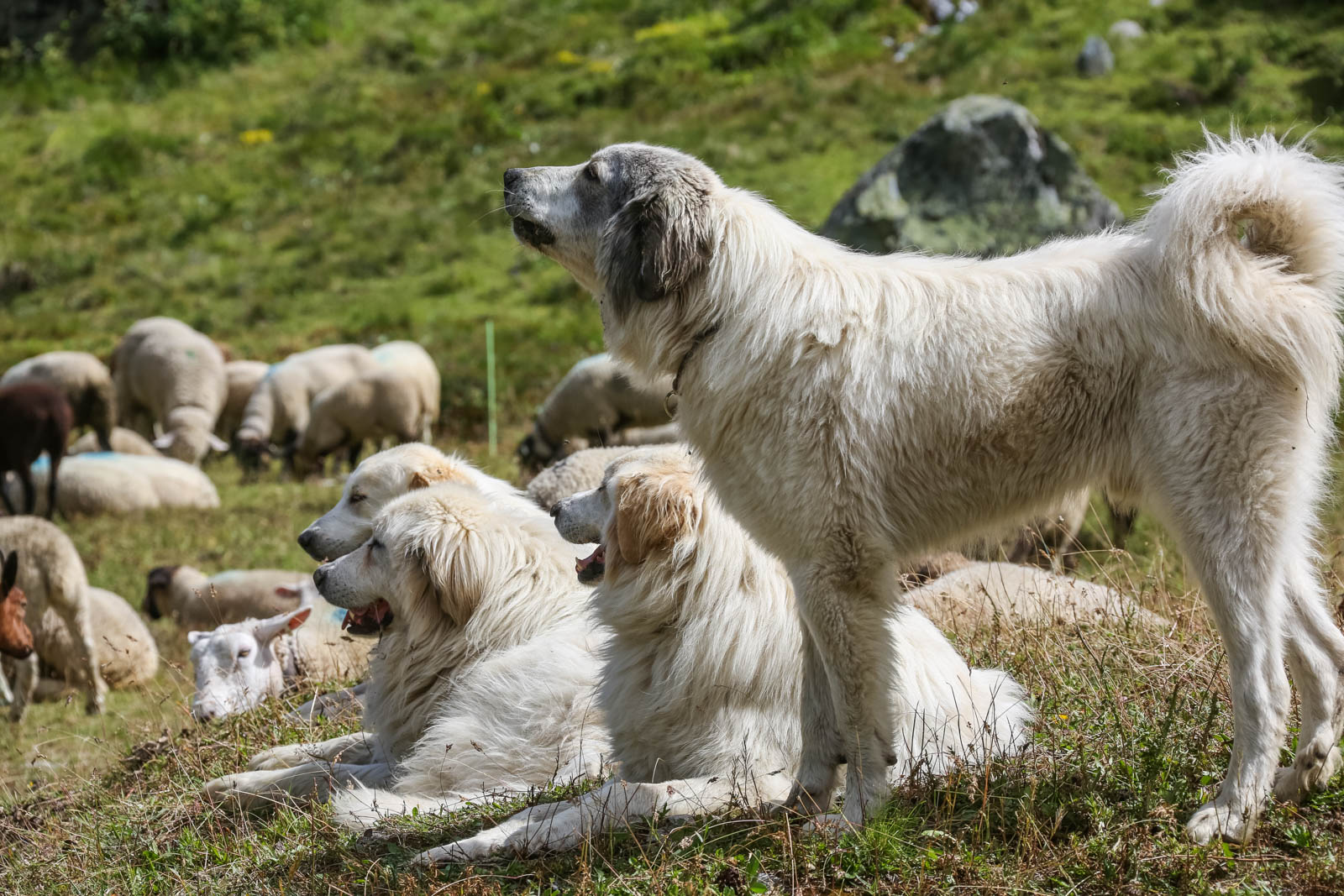
Screening potential puppy owners is a crucial step for responsible breeders. It ensures that the puppies are placed in safe and loving homes. When screening potential owners, breeders should consider their experience with dogs, their living situation, and their ability to provide proper care and training. Additionally, breeders should ask potential owners about their knowledge of the specific breed and their commitment to responsible pet ownership. By thoroughly screening potential puppy owners, breeders can help prevent the puppies from ending up in the wrong hands or being abandoned. This article provides valuable information on how to effectively screen potential puppy owners.
Creating a puppy adoption process
Creating a puppy adoption process is a crucial step for responsible breeders. This process ensures that the puppies are placed in suitable and loving homes. A well-designed adoption process includes screening potential adopters, conducting home visits, and providing education on responsible dog ownership. By implementing a thorough adoption process, breeders can ensure that their puppies are placed in environments where they will receive the love, care, and attention they deserve. This not only benefits the puppies but also contributes to the overall well-being of the breed.
Ensuring responsible ownership
Responsible ownership is crucial when it comes to Collie breeding. It is important for breeders to ensure that the puppies they produce are placed in loving and responsible homes. This includes providing proper care, training, and socialization for the puppies. Additionally, responsible breeders should educate potential owners about the specific needs of Collies, such as regular exercise and mental stimulation. Toys and games are essential for keeping active German Shepherds entertained and engaged. Providing interactive toys and engaging in games with these intelligent and energetic dogs can help prevent boredom and destructive behavior. By promoting responsible ownership, breeders can contribute to the overall well-being and happiness of Collies and their owners.


