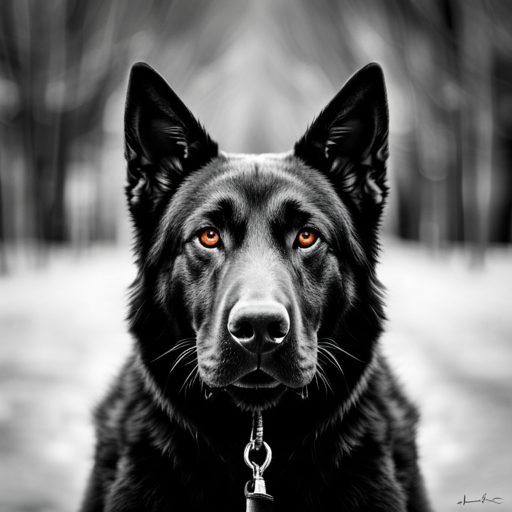
Are you curious about the differences in temperament between a Dutch Shepherd and a Belgian Malinois? Look no further! This article will delve into the unique personality traits of these two breeds.
From their socialization and adaptability to their protective instincts, we will explore what sets them apart. Additionally, we will discuss their training and exercise needs.
So, if you’re a dog lover seeking to unravel these differences, this article is tailor-made for you!
Personality Traits of Dutch Shepherds
Do you know what personality traits Dutch Shepherds possess? These intelligent and versatile dogs are known for their distinct temperament differences and behavior patterns.
Dutch Shepherds are highly energetic and require plenty of physical and mental stimulation to keep them happy. They’re incredibly loyal and protective, making them excellent watchdogs and family companions.
One key personality trait of Dutch Shepherds is their strong work ethic. They’ve a natural drive to work and excel in various tasks, which makes them ideal candidates for jobs like search and rescue, police work, and agility competitions. Their high level of intelligence allows them to quickly learn and adapt to new commands and tasks.
Another notable trait of Dutch Shepherds is their protective nature. They’re fiercely loyal to their families and will go to great lengths to protect them. This protective instinct, combined with their strength and agility, makes them superb guard dogs.
Despite their protective nature, Dutch Shepherds are also known for being gentle and affectionate with their loved ones. They form strong bonds with their family members and thrive on human companionship. However, their high energy levels and intense drive may make them too much for inexperienced or sedentary owners.
Key Temperamental Characteristics of Belgian Malinois
Are you aware of the key temperamental characteristics that Belgian Malinois possess? These dogs are known for their high energy levels, intelligence, and strong work ethic. One important aspect to consider when it comes to the Belgian Malinois temperament is their aggression tendencies. While they aren’t naturally aggressive towards humans, they can be protective of their family and territory, making them excellent guard dogs. However, proper socialization and training are crucial to ensure that their protective instincts are channeled appropriately.
Another significant characteristic of the Belgian Malinois is their prey drive. These dogs have a strong instinct to chase and capture prey, which can make them excel in activities such as obedience, agility, and even police or military work. Their prey drive can be a double-edged sword, as it can sometimes lead to chasing smaller animals or even cars if not properly managed. Therefore, it’s important for owners to provide mental and physical stimulation to satisfy their dog’s prey drive in a controlled environment.
Socialization and Adaptability in Dutch Shepherds Vs Belgian Malinois
Have you considered the importance of socializing and adapting Dutch Shepherds and Belgian Malinois to various environments and situations? When it comes to these two breeds, socialization challenges and adaptability in different environments are crucial factors to consider.
Both Dutch Shepherds and Belgian Malinois are known for their high energy levels and intelligence, making them excellent working dogs. However, without proper socialization, they can become wary and exhibit aggressive behaviors towards unfamiliar people and animals.
Socialization plays a vital role in ensuring that these dogs can interact with others in a calm and controlled manner. It involves exposing them to a wide range of people, animals, and environments from an early age. This process helps them develop confidence, learn appropriate behaviors, and become well-rounded companions.
Additionally, the adaptability of Dutch Shepherds and Belgian Malinois to different environments is an important consideration. These breeds excel in various tasks such as search and rescue, police work, and agility competitions. To be successful in these roles, they need to be able to adapt to different surroundings, including urban, suburban, and rural environments.
Understanding the Protective Instincts of Dutch Shepherds and Belgian Malinois
You can gain insight into the formidable protective instincts of Dutch Shepherds and Belgian Malinois by carefully observing their behavior and reactions in various situations. These breeds are known for their remarkable working abilities and are often employed in roles such as police, military, and search and rescue. Their protective instincts are a key aspect of their working capabilities.
Both Dutch Shepherds and Belgian Malinois exhibit strong protective instincts, which can be observed in their alertness and vigilance. They’re always on the lookout for potential threats and are quick to react to any perceived danger. Their reactions may include barking, growling, or even physically intervening to protect their owners or territory.
Furthermore, these breeds display a high level of loyalty and devotion to their families. They form strong bonds with their owners and will go to great lengths to keep them safe. This unwavering dedication makes them excellent protectors and reliable companions.
It is important to note that while their protective instincts are innate, proper training and socialization are crucial in channeling these instincts in a controlled and appropriate manner. With the right guidance and reinforcement, Dutch Shepherds and Belgian Malinois can become well-rounded and reliable working dogs, utilizing their protective instincts for the benefit of their handlers and the tasks at hand.
Training and Exercise Needs: Dutch Shepherds Vs Belgian Malinois
To ensure optimal performance, Dutch Shepherds and Belgian Malinois require consistent and rigorous training sessions that focus on obedience, agility, and scent detection. Dutch Shepherd training is essential to harness their natural intelligence and drive. These dogs are known for their versatility and excel in various tasks such as search and rescue, police work, and personal protection. Their training sessions should be structured and challenging, as they thrive on mental stimulation and physical exercise.
On the other hand, Belgian Malinois exercise needs are equally demanding. These dogs are highly energetic and require regular physical activity to maintain their mental and physical well-being. They’re often used in roles such as military and police work and excel in tasks that require agility and endurance. Incorporating activities like running, playing fetch, and engaging in obstacle courses can help meet their exercise requirements.
Both Dutch Shepherds and Belgian Malinois are intelligent breeds that thrive on training and exercise. It’s crucial for their owners to dedicate ample time and effort to meet their specific needs. By providing consistent training and engaging in regular exercise, these breeds can reach their full potential and become well-rounded and obedient companions.
Frequently Asked Questions
Are Dutch Shepherds and Belgian Malinois Good With Children?
Dutch Shepherds and Belgian Malinois are generally good with children. They enjoy being part of a family and can be very protective. However, it’s important to supervise interactions to ensure everyone’s safety.
Do Dutch Shepherds and Belgian Malinois Require a Lot of Grooming?
Dutch Shepherds and Belgian Malinois require regular grooming to keep their coats in good condition. To groom them properly, brush their fur regularly, trim their nails, clean their ears, and bathe them as needed.
How Do Dutch Shepherds and Belgian Malinois Handle Being Left Alone for Long Periods of Time?
When left alone for long periods, both Dutch Shepherds and Belgian Malinois may experience separation anxiety. However, with proper training methods and gradual desensitization, they can learn to handle being alone more effectively.
Are Dutch Shepherds and Belgian Malinois Prone to Any Specific Health Issues?
Dutch Shepherds and Belgian Malinois can be prone to specific health issues. The impact of exercise on their temperament is significant. It’s important to be aware of these factors when considering these breeds.
Can Dutch Shepherds and Belgian Malinois Be Trained to Coexist With Other Pets in the Household?
When introducing Dutch Shepherds and Belgian Malinois to other pets, use positive reinforcement and gradual introductions. Early socialization is crucial for a harmonious household. Start with supervised interactions and reward good behavior to promote a peaceful coexistence.
Conclusion
In conclusion, understanding the temperament differences between Dutch Shepherds and Belgian Malinois is essential for potential owners.
Dutch Shepherds are known for their loyal and independent nature, while Belgian Malinois are highly driven and energetic.
Both breeds require proper socialization and training to thrive, but Dutch Shepherds may be more adaptable to different environments.
Regardless of the breed, providing adequate exercise and mental stimulation is crucial for their overall well-being.


