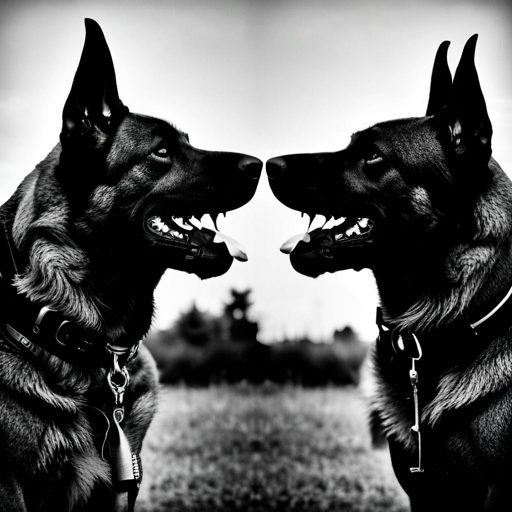
Are you ready to witness the ultimate battle between two of the most skilled working dogs?
In one corner, we have the powerful Dutch Shepherd, known for its unwavering loyalty and determination.
And in the other corner, we have the agile Belgian Malinois, renowned for its intelligence and versatility.
Get ready to explore the history, physical traits, and unique capabilities of these remarkable breeds.
It’s time to find out which one reigns supreme in the battle of the working dogs.
History and Origins
You should learn about the history and origins of these two dog breeds before making a decision. Understanding their cultural differences, as well as their popularity and recognition in different countries, can help you make an informed choice.
The Dutch Shepherd and the Belgian Malinois both have rich histories that contribute to their unique characteristics and abilities. The Dutch Shepherd originated in the Netherlands and was traditionally used as a versatile farm dog. They excelled at herding livestock and guarding the farm, making them highly valued in the agricultural community. On the other hand, the Belgian Malinois hails from Belgium and was primarily bred for herding and protecting livestock. Their intelligence and trainability made them popular among shepherds in the region.
In terms of popularity and recognition, both breeds have gained international acclaim for their working abilities. The Dutch Shepherd has gained popularity in the United States, with many police and military units utilizing their skills. They’re also recognized by the American Kennel Club. On the other hand, the Belgian Malinois has gained significant recognition worldwide, particularly in countries like Germany and France. They’re widely used in law enforcement and military roles and are recognized by various kennel clubs globally.
Learning about the history and origins of these two breeds gives you insight into their unique characteristics and the roles they were originally bred for. This knowledge can help you make an informed decision when choosing between the Dutch Shepherd and the Belgian Malinois.
Physical Appearance and Structure
Both the Dutch Shepherd and the Belgian Malinois have muscular bodies and agile frames, making them highly capable working dogs. When comparing the physical characteristics of these two breeds, there are several key differences to consider.
Firstly, let’s talk about physical strength and endurance. Both the Dutch Shepherd and the Belgian Malinois are known for their incredible strength and endurance, which are essential qualities for working dogs. However, the Dutch Shepherd tends to have a slightly more robust build, with a broader chest and a heavier bone structure. On the other hand, the Belgian Malinois has a leaner and more streamlined body, which enables it to move swiftly and effortlessly.
In terms of appearance, the Dutch Shepherd typically has a short, dense coat that comes in various shades of brindle, whereas the Belgian Malinois has a shorter and smoother coat that’s usually fawn or mahogany with black markings. Both breeds have erect ears and almond-shaped eyes, which give them an alert and intelligent expression.
Ultimately, while both the Dutch Shepherd and the Belgian Malinois possess incredible physical attributes, their slight variations in build and coat make them distinct from each other. Whether you prefer the robustness of the Dutch Shepherd or the agility of the Belgian Malinois, both breeds are exceptional working dogs that excel in various tasks and situations.
Intelligence and Trainability
When it comes to intelligence and trainability, the Belgian Malinois stands out for its quick learning abilities and exceptional problem-solving skills. This breed is known for its sharp mind and ability to think on its feet, making it a popular choice for various working roles, including search and rescue, police work, and military tasks. The problem-solving abilities of the Belgian Malinois come into play when faced with complex situations or tasks that require critical thinking. They excel at analyzing problems and finding solutions, which makes them highly adaptable and versatile.
To harness the intelligence and trainability of a Belgian Malinois, effective obedience training techniques are crucial. These techniques focus on positive reinforcement, consistency, and clear communication. The breed responds well to rewards such as treats, praise, and play, which helps motivate them to learn and perform desired behaviors. It’s important to establish a strong bond and establish yourself as the pack leader to ensure that the training sessions are effective and successful.
With their problem-solving abilities and willingness to learn, Belgian Malinois can be trained to perform a wide range of tasks, from basic commands to complex tasks. Their intelligence and trainability make them an excellent choice for owners who are committed to providing mental stimulation and training opportunities.
Working Capabilities and Specializations
Your Belgian Malinois has remarkable working capabilities and specializations that make it highly suited for tasks such as search and rescue, police work, and military assignments. This breed’s intelligence, agility, and loyalty are just a few of the qualities that set it apart. When it comes to obedience trials, the Belgian Malinois excels. Their trainability and eagerness to please make them a top choice for handlers looking to compete in these events. Their ability to quickly learn and execute commands is truly impressive.
But what truly sets the Belgian Malinois apart is its search and rescue capabilities. With its keen sense of smell, endurance, and determination, this breed is often used in disaster-stricken areas to locate and rescue missing individuals. Whether it’s finding a lost hiker in the mountains or locating survivors in the rubble of a collapsed building, the Belgian Malinois can be relied upon to perform these critical tasks.
In addition to search and rescue, the Belgian Malinois is also highly sought after in police work and military assignments. Their natural instincts to protect and serve, combined with their intelligence and physical prowess, make them ideal candidates for these demanding roles. From apprehending criminals to detecting explosives, the Belgian Malinois proves time and time again that it’s a force to be reckoned with.
Overall, the working capabilities and specializations of the Belgian Malinois are truly exceptional. Whether it’s excelling in obedience trials or saving lives in search and rescue missions, this breed continues to impress with its unwavering dedication and unmatched skills.
Temperament and Suitability as Family Pets
If you want a family pet that’s both gentle and affectionate, the Belgian Malinois may not be the best choice. While Belgian Malinois are known for their intelligence, loyalty, and trainability, they’re also highly energetic and require a lot of exercise to keep them physically and mentally stimulated. These dogs were originally bred for herding and protection work, which means they’ve a strong work drive and need an outlet for their energy.
When it comes to socialization with children and other pets, Belgian Malinois can be a bit more challenging compared to other breeds. Due to their high prey drive and protective instincts, they may not always be tolerant of rough play or unfamiliar animals. It’s crucial to start socializing them from a young age and provide proper training to ensure they can coexist peacefully with children and other pets in the household.
While Belgian Malinois can make excellent companions for experienced owners who can meet their exercise requirements and provide them with the necessary socialization, they may not be the best fit for families with young children or other small pets. It’s important to consider these factors before bringing a Belgian Malinois into your home.
Frequently Asked Questions
What Are the Common Health Issues That Dutch Shepherds and Belgian Malinois Face?
You want to know which breed, Dutch Shepherds or Belgian Malinois, is more prone to hip dysplasia and allergies. Both breeds can be at risk for these health issues, but Dutch Shepherds may have a slightly higher prevalence.
How Do Dutch Shepherds and Belgian Malinois Compare in Terms of Energy Levels and Exercise Requirements?
Dutch Shepherds and Belgian Malinois have similar energy levels and exercise requirements. Both breeds require high-intensity exercise and thrive with consistent training. However, there may be slight training differences between the two.
Are Dutch Shepherds and Belgian Malinois Prone to Separation Anxiety?
Yes, both Dutch Shepherds and Belgian Malinois can be prone to separation anxiety. To manage it, try using positive reinforcement training techniques, gradually increasing the time you’re away, and providing mental stimulation.
Do Dutch Shepherds and Belgian Malinois Require Regular Grooming and Maintenance?
Regular grooming and maintenance are essential for both Dutch Shepherds and Belgian Malinois. These working dogs have thick coats that require brushing and occasional bathing. Additionally, socialization and training are crucial for their well-being and behavior.
Are Dutch Shepherds and Belgian Malinois Good With Children and Other Pets?
When it comes to children and other pets, Dutch Shepherds and Belgian Malinois can be great, but training and socialization are key. Teach them how to interact safely and positively for a harmonious household.
Conclusion
In conclusion, both the Dutch Shepherd and the Belgian Malinois are exceptional working dogs with unique qualities and capabilities. While they share similar physical appearance and intelligence, their different temperaments and specialties make them suitable for different tasks.
Whether you’re looking for a loyal family companion or a dedicated working partner, both breeds have a lot to offer. Ultimately, the choice between the two will depend on your specific needs and preferences.


