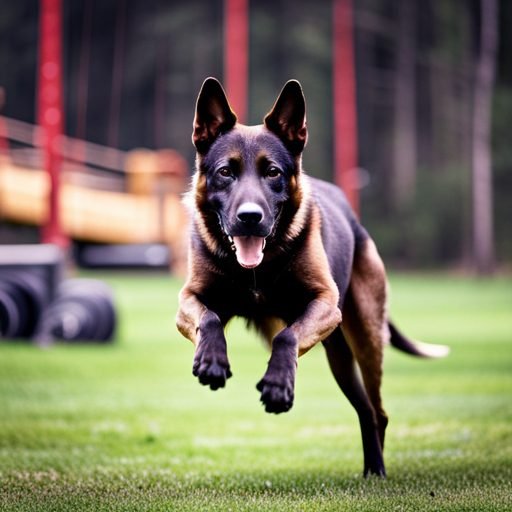
Are you ready for the ultimate showdown?
In this article, we will compare the training abilities of two remarkable breeds: the Dutch Shepherd and the Belgian Malinois.
These dogs are renowned for their intelligence, problem-solving skills, and obedience.
Whether you’re a dog enthusiast or considering getting a new companion, you’ll discover which breed excels in specialized training and working roles.
Get ready to dive into the fascinating world of these two incredible breeds and determine who reigns supreme in the realm of training abilities.
History and Background
You should learn about the rich history and background of these two breeds to understand their training abilities better. The influence of breed origins on training methods and the impact of breed history on training success are crucial factors to consider.
Both the Dutch Shepherd and the Belgian Malinois have a long history of being working dogs, which has shaped their training abilities.
The Dutch Shepherd originated in the Netherlands and was primarily used for herding sheep. This breed’s training methods were focused on obedience and agility, as they needed to be able to follow commands and navigate difficult terrains. Their history as versatile farm dogs also meant that they were trained to protect livestock and property from intruders. This background has made them highly trainable and adaptable in various working environments.
On the other hand, the Belgian Malinois has its roots in Belgium, where it was bred for herding and guarding livestock. Their training methods were centered around developing strong guarding instincts and intelligence. Due to their history as police and military dogs, Belgian Malinois have been trained for tasks such as search and rescue, drug detection, and apprehension. Their background has made them highly trainable, with a strong drive to work and a natural ability to understand commands quickly.
Understanding the history and background of these breeds helps trainers tailor their methods to the specific needs and instincts of each breed. By incorporating their origins into training, it increases the chances of success and enhances the bond between the handler and the dog.
Physical Characteristics and Temperament
The Dutch Shepherd and the Belgian Malinois share similar physical characteristics, such as a muscular build and a high energy level, but they differ in temperament.
When it comes to exercise requirements and energy levels, both breeds are known for their boundless energy and need for physical activity. Whether it’s a long hike, a game of fetch, or obedience training, these dogs thrive on being active and mentally stimulated. However, it’s important to note that the Belgian Malinois generally has a higher energy level and may require even more exercise than the Dutch Shepherd.
In terms of socialization and compatibility with other animals, both breeds can be friendly and sociable when properly trained and socialized from a young age. However, the Dutch Shepherd is often described as more independent and reserved compared to the Belgian Malinois, which tends to be more outgoing and eager to please. It’s crucial to expose both breeds to a variety of environments, people, and animals to ensure they develop into well-rounded and well-behaved companions.
Intelligence and Problem-Solving Skills
When it comes to intelligence and problem-solving skills, both Dutch Shepherds and Belgian Malinois possess breed-specific tendencies that can impact their training. These tendencies can range from their natural instinct to problem-solve in unique ways to their ability to quickly learn and adapt to new tasks.
Understanding how these traits differ between the two breeds can help you determine which one is better suited for your specific training needs.
Breed-Specific Problem-Solving Tendencies
Your Belgian Malinois’s problem-solving skills are exceptional compared to other breeds. These dogs possess remarkable problem-solving approaches and cognitive abilities that set them apart. Whether it’s figuring out how to open a door, solving puzzles, or finding hidden objects, your Belgian Malinois will astound you with its intelligence and resourcefulness.
Their sharp minds and keen senses enable them to analyze situations quickly and come up with innovative solutions. They can think on their feet and adapt effortlessly to different challenges.
With their natural curiosity and high energy levels, Belgian Malinois dogs thrive on mental stimulation and problem-solving tasks. So, make sure to engage them in activities that challenge their intellect and allow them to showcase their problem-solving prowess.
Your Belgian Malinois will undoubtedly impress you with its exceptional problem-solving abilities.
Intelligence Impact on Training
You can maximize your Belgian Malinois’s training potential by harnessing its intelligence and problem-solving skills. These dogs are known for their exceptional cognitive abilities, which make them highly trainable and adaptable to various training techniques.
By understanding and utilizing their intelligence, you can create effective training strategies that cater to their specific needs.
When it comes to training techniques, it’s important to engage your Belgian Malinois in mentally stimulating activities. These dogs thrive on challenges and enjoy problem-solving tasks. Incorporate puzzle toys, scent detection exercises, and obedience training into their routine to keep their minds sharp and engaged.
Furthermore, positive reinforcement is key when working with Belgian Malinois. These intelligent dogs respond well to praise, treats, and rewards. By using positive reinforcement techniques, you can motivate and encourage them to excel in their training.
Overall, understanding and leveraging your Belgian Malinois’s intelligence and problem-solving skills can greatly enhance their training experience. With the right techniques and approach, you can unlock their full potential and create a strong bond built on trust and respect.
Trainability and Obedience
If you’re looking for a highly trainable and obedient dog, both the Dutch Shepherd and the Belgian Malinois are excellent choices. These two breeds are known for their exceptional trainability and problem-solving skills. When it comes to trainability, both the Dutch Shepherd and the Belgian Malinois rank high on the list. They’re intelligent and quick learners, making them ideal for various training purposes.
The Dutch Shepherd is renowned for its versatility and adaptability. With their innate problem-solving abilities, they excel in tasks such as agility, obedience, and even search and rescue. They’re eager to please their owners and thrive on mental stimulation. Their strong work ethic and willingness to learn make them highly trainable in any situation.
On the other hand, the Belgian Malinois is also highly regarded for its trainability. These dogs are known for their exceptional focus and dedication, making them perfect for various working roles like police and military work. Their intelligence and problem-solving skills enable them to excel in complex tasks, making them a popular choice for professional trainers.
Specialized Training and Working Roles
When it comes to specialized training and working roles, both the Dutch Shepherd and the Belgian Malinois excel with remarkable agility and dedication. These two breeds are highly sought after for their exceptional abilities in canine police work and search and rescue training.
The Dutch Shepherd, known for its versatility, is a top choice for police departments around the world. With their strong work ethic and natural instincts, they excel in tasks such as tracking down suspects and detecting narcotics. Their keen scent detection and quick reflexes make them invaluable assets in law enforcement.
On the other hand, the Belgian Malinois is renowned for its unwavering focus and drive. They’re often used in search and rescue operations, where their high energy levels and remarkable agility come into play. Their ability to navigate through challenging terrains and locate missing individuals is truly impressive.
Both the Dutch Shepherd and the Belgian Malinois possess the intelligence and trainability required for these specialized roles. However, it’s important to note that these breeds require consistent and structured training to ensure they reach their full potential.
Performance in Competitive Training Sports
Get ready to witness the incredible performance of these athletic breeds in competitive training sports. When it comes to canine athleticism and versatility in training, the Dutch Shepherd and Belgian Malinois are two breeds that truly stand out. These dogs are known for their impressive physical abilities, intelligence, and unwavering dedication to their work. Whether it’s agility, obedience, or even police and military work, these breeds excel in any task they’re given.
The Dutch Shepherd is a powerhouse in the world of competitive training sports. With their muscular build and high energy levels, they’re agile and fast, making them perfect for activities like agility courses and flyball. Their intelligence and trainability allow them to quickly master new commands and tasks, making them a top choice for obedience trials. Additionally, their strong work ethic and protective nature make them exceptional candidates for police and military work.
On the other hand, the Belgian Malinois is another breed that takes the spotlight in competitive training sports. Known for their athleticism and endurance, these dogs thrive in activities such as dock diving and disc dog competitions. Their agility and speed allow them to navigate obstacles with ease, while their intelligence and focus enable them to excel in obedience trials. Furthermore, their versatility extends to tasks like search and rescue, detection work, and even personal protection.
Frequently Asked Questions
What Are the Common Health Issues That Dutch Shepherds and Belgian Malinois Face?
Dutch Shepherds and Belgian Malinois commonly face health issues like hip and elbow dysplasia, as well as progressive retinal atrophy. These conditions can affect their overall well-being and require proper care and attention from their owners.
Are Dutch Shepherds and Belgian Malinois Suitable for Families With Children?
Dutch Shepherds and Belgian Malinois are both suitable for families with children. However, there are notable differences in their energy levels. Dutch Shepherds are generally calmer and more laid-back, while Belgian Malinois are highly energetic and require more exercise.
How Do Dutch Shepherds and Belgian Malinois Compare When It Comes to Socializing With Other Animals?
When it comes to social interaction skills and compatibility with other pets, Dutch Shepherds and Belgian Malinois are both highly trainable and adaptable. They can be great companions for other animals with proper socialization.
Can Dutch Shepherds and Belgian Malinois Be Trained to Perform Specific Tasks or Tricks?
Dutch shepherds and Belgian Malinois can both be trained for specific tasks and tricks. They excel in search and rescue training, but the Dutch shepherd is known for its exceptional tracking abilities, making it a top choice in this area.
Are Dutch Shepherds and Belgian Malinois Prone to Separation Anxiety?
Yes, both Dutch Shepherds and Belgian Malinois can be prone to separation anxiety. However, with proper training and socialization, you can greatly reduce the impact of separation anxiety on these breeds.
Conclusion
In conclusion, both the Dutch Shepherd and the Belgian Malinois are highly intelligent and trainable breeds. They excel in various working roles and have exceptional problem-solving abilities.
Their performance in competitive training sports is impressive, showcasing their dedication and skills.
Whether you choose a Dutch Shepherd or a Belgian Malinois, you can be confident in their training abilities and their potential to excel in any task or challenge you give them.