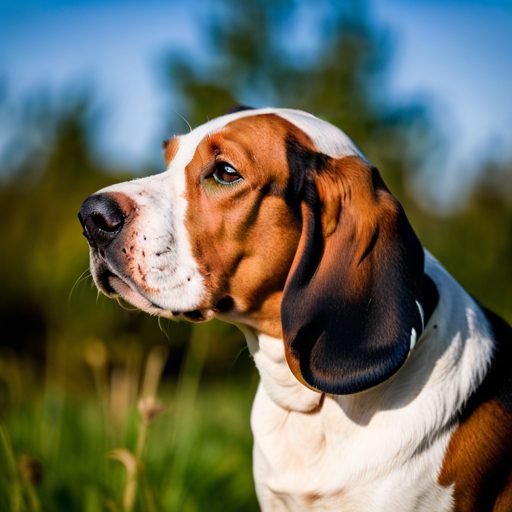
If you're considering a new furry friend, you'll want to know all about the Irish Wolfhound German Shepherd mix temperament.
This breed is a unique combination of two popular breeds, resulting in a dog with a distinctive personality. You'll find that they are friendly and loyal, making them a great companion.
However, they may be cautious around strangers, so early socialization is important. They also love being around children and can get along well with other pets with proper training.
Size and Appearance
You should always consider the size and appearance of the Irish Wolfhound German Shepherd mix before making a decision. The Irish Wolfhound German Shepherd mix is a large breed, typically weighing between 70 and 120 pounds. They're known for their impressive size and strong build, making them a striking and commanding presence. With their tall stature and muscular bodies, they can easily intimidate anyone who comes across them.
In terms of appearance, the Irish Wolfhound German Shepherd mix inherits traits from both parent breeds. They've a beautiful combination of the Wolfhound's long and flowing coat and the Shepherd's dense and thick fur. Their coat can come in a variety of colors, including black, tan, or a combination of both.
Their size and appearance make them an eye-catching breed, but it's important to consider if they're a good fit for your lifestyle. Their large size requires ample space to move around and exercise. Additionally, their thick coat requires regular grooming to keep it healthy and free from tangles.
Personality Traits
When it comes to personality traits, the Irish Wolfhound German Shepherd mix has a lot to offer. They're known for being loyal, intelligent, and protective, making them excellent guard dogs and family pets.
However, it's important to note that with these traits come certain challenges, such as potential aggression towards strangers or other animals. Understanding and addressing these behavioral challenges is crucial for ensuring a harmonious and safe environment for both the dog and its owners.
Temperament Characteristics Explained
Understanding the temperament characteristics of the Irish Wolfhound German Shepherd mix can help you determine if this breed is the right fit for your lifestyle.
When it comes to temperament challenges, this mix can be a bit stubborn and independent at times. However, with the right training techniques, you can overcome these challenges and have a well-behaved and obedient companion. It's important to establish yourself as the pack leader and use positive reinforcement methods.
This mix is intelligent and eager to please, making them quick learners. They're also known for their loyalty and protective nature, making them great family dogs. Keep in mind that they may have a strong prey drive, so early socialization is key.
With proper training and socialization, the Irish Wolfhound German Shepherd mix can be a wonderful addition to your family.
Behavioral Challenges and Solutions
Be aware of the Irish Wolfhound German Shepherd mix's behavioral challenges and find effective solutions to address them. Training techniques for this hybrid breed are crucial for their development and well-being.
One common behavioral issue in Irish Wolfhound German Shepherd mixes is separation anxiety. To address this, gradually introduce them to being alone and provide them with interactive toys or puzzles to keep them mentally stimulated.
Another challenge is their strong prey drive, which may lead to chasing behaviors. Teaching a solid recall command and providing plenty of exercise can help redirect this instinctual behavior.
Additionally, socialization is key to prevent aggression towards strangers or other animals. Expose them to different environments, people, and animals from a young age.
Lastly, consistent and positive reinforcement training methods are vital in shaping their behavior and building a strong bond with your Irish Wolfhound German Shepherd mix.
Interaction With Strangers
When it comes to interacting with strangers, it's important to understand your Irish Wolfhound German Shepherd Mix's trusting nature. Proper socialization from a young age can help them develop good stranger safety skills.
However, it's crucial to be aware of their potential for stranger aggression and take appropriate measures to ensure everyone's safety.
Trusting Nature With Strangers
You should always approach strangers cautiously, even if they seem friendly at first. Stranger anxiety is a natural instinct that helps protect us from potential harm. Building trust with strangers takes time and effort, as trust can't be developed overnight.
It's important to be aware of your surroundings and listen to your instincts when interacting with unfamiliar individuals. While it's important to be cautious, it's also important to remember that not everyone is a threat. Taking the time to observe and engage in conversation can help ease any anxiety or uncertainty.
Trust is a two-way street, so it's equally important to be trustworthy yourself. By demonstrating honesty and reliability, you can establish a foundation of trust with strangers over time.
Socialization and Stranger Safety
Make sure to actively engage in socialization activities with your dog to promote their comfort and safety around strangers.
Stranger fear is a common issue among dogs, and proper socialization can help alleviate this fear. Socialization techniques involve exposing your dog to a variety of people, situations, and environments from an early age. This helps them become familiar with different types of strangers and teaches them how to react appropriately.
One effective technique is to gradually introduce your dog to new people, starting with those who are calm and non-threatening. Reward your dog for positive behavior and provide plenty of praise and encouragement.
It's also important to expose your dog to different environments and situations, such as walks in busy areas or visits to the park.
Potential for Stranger Aggression
To prevent potential for stranger aggression, it's crucial to prioritize proper socialization and consistent training.
Stranger anxiety is a common issue that many dogs face, which can lead to aggressive behavior if not addressed early on.
By exposing your dog to different people and situations from an early age, you can help them develop confidence and reduce their fear of strangers.
This process, known as stranger socialization, involves gradually introducing your dog to new people in a controlled and positive manner.
It's important to ensure that these interactions are positive and rewarding for your dog, using treats and praise to reinforce good behavior.
Additionally, consistent training will help establish boundaries and reinforce appropriate responses when encountering strangers.
With the right approach, you can help your dog overcome their stranger anxiety and prevent potential aggression.
Compatibility With Children
Having a German Shepherd Irish Wolfhound mix can enhance the compatibility of your family with children due to their gentle and nurturing temperament. These dogs are known for their trust and loyalty, making them excellent family companions. With their protective nature and gentle disposition, they can provide a sense of security and comfort for both children and adults.
The German Shepherd Irish Wolfhound mix is known for being highly intelligent and easy to train. They have an innate ability to understand and respond to human emotions, which makes them great companions for children. Their gentle nature allows them to form strong bonds with family members, providing a sense of stability and companionship.
These dogs are also known for their patience and tolerance, making them ideal for families with young children. They can adapt well to different environments and are generally good with other pets, making them a great addition to any family.
When considering a German Shepherd Irish Wolfhound mix for your family, it's important to provide them with proper socialization and training from an early age. This will help them develop into well-rounded and well-behaved dogs, ensuring a harmonious relationship with children and other family members.
Relationship With Other Pets
Do you have any experience introducing your German Shepherd Irish Wolfhound mix to other pets? Introducing new pets and managing multiple pets can be a challenge, but with the right approach, it can be a smooth process. The temperament of your German Shepherd Irish Wolfhound mix will play a significant role in how they interact with other animals.
When introducing your mix to other pets, it's important to take things slow and be patient. Start by allowing them to sniff each other through a gate or door, so they can become familiar with each other's scents. Gradually, you can move on to supervised face-to-face interactions in a neutral territory, such as a park. Keep a close eye on their body language and behavior to ensure they're comfortable and not displaying any signs of aggression.
Managing multiple pets requires establishing a hierarchy and providing each pet with their own space and individual attention. Make sure to give each pet equal amounts of love and attention to prevent jealousy or rivalry. Additionally, providing separate feeding areas and toys can help avoid conflicts.
Overall, introducing your German Shepherd Irish Wolfhound mix to other pets and managing multiple pets requires patience, consistency, and a calm approach. With proper introductions and ongoing supervision, your pets can develop a positive relationship and live harmoniously together.
Exercise and Training Needs
You should prioritize both exercise and training needs for your German Shepherd Irish Wolfhound mix, as they're essential for maintaining their physical and mental well-being. When it comes to exercise routines, your mix will benefit from daily physical activity. They've a lot of energy and require regular exercise to stay happy and healthy. Engaging in activities like long walks, hiking, or playing fetch will help fulfill their exercise needs.
Additionally, incorporating mental stimulation through puzzle toys or training sessions will keep their minds sharp and prevent boredom.
In terms of training methods, positive reinforcement is highly recommended. This breed mix is known for their intelligence and willingness to please, making them responsive to positive training techniques. Reward-based training, such as using treats or praise, will motivate your mix to learn new commands and behaviors. Consistency and patience are key when training your German Shepherd Irish Wolfhound mix. It's important to establish clear rules and boundaries from the start, and to reinforce positive behaviors consistently.
Remember to keep training sessions short and fun, as these mixes can have a shorter attention span. By prioritizing both exercise routines and training methods, you can ensure that your German Shepherd Irish Wolfhound mix is well-rounded and fulfilled.
Frequently Asked Questions
How Much Grooming Does an Irish Wolfhound German Shepherd Mix Require?
The Irish Wolfhound German Shepherd mix has moderate grooming needs. Regular brushing and occasional bathing should suffice. It's important to note that this mix may be prone to common health issues seen in both breeds.
Are Irish Wolfhound German Shepherd Mixes Prone to Any Specific Health Issues?
Irish Wolfhound German Shepherd mixes may be prone to certain health issues. To care for one with specific needs, it's important to be aware of common health issues in this mix and provide appropriate care and treatment.
What Is the Average Lifespan of an Irish Wolfhound German Shepherd Mix?
The average lifespan of an Irish Wolfhound German Shepherd mix is around 8 to 12 years. They have moderate grooming requirements, so regular brushing and occasional baths will keep their coat in good condition.
How Much Exercise Does an Irish Wolfhound German Shepherd Mix Need Daily?
To maintain a healthy lifestyle, an Irish Wolfhound German Shepherd mix needs a good amount of exercise daily. It's important to find the right balance of physical activity that suits their energy levels and keeps them happy.
Are Irish Wolfhound German Shepherd Mixes Easy to Train?
Irish Wolfhound German Shepherd mixes can be easy to train due to their intelligence. However, proper socialization is essential to ensure they develop good behavior and adapt well to different situations.
Conclusion
So if you're considering an Irish Wolfhound German Shepherd mix, you now know what to expect when it comes to their temperament. They're a large and striking breed with a friendly and gentle personality. They may be reserved with strangers but are usually good with children and other pets.
They've moderate exercise and training needs. Overall, this mix can make a wonderful and loyal companion for those who are prepared to meet their needs.