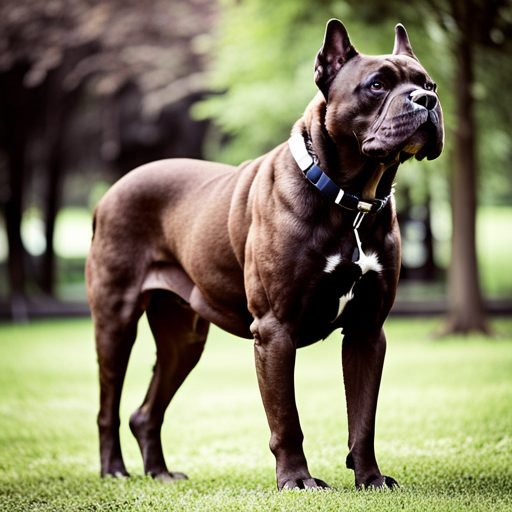
Are you considering adopting a bull terrier? Look no further! This comprehensive guide will provide you with all the information you need to make the best decision for you and your new furry friend.
From understanding the breed to finding a reputable rescue organization or breeder, we’ve got you covered.
Get ready to prepare your home and navigate the adoption process with ease. With our tips for a smooth transition, you’ll be welcoming your new bull terrier into your family in no time.
Understanding the Bull Terrier Breed
You should research the Bull Terrier breed to gain a better understanding of their unique characteristics. When it comes to bull terrier temperament, it’s important to know that they’re known for being energetic and playful. They thrive on human companionship and are generally friendly and affectionate towards their owners. However, they can also be stubborn at times, so early training and socialization are crucial for their development.
In addition to their temperament, it’s essential to be aware of the common health issues that bull terriers may face. One of the most prevalent health concerns is deafness, which is more common in white-colored bull terriers. Regular visits to the veterinarian can help detect any hearing problems early on. Bull terriers are also prone to skin allergies and some hereditary conditions, such as kidney disease and heart problems. Therefore, it’s important to provide them with proper nutrition and regular exercise to keep them healthy and prevent any potential health issues.
Finding a Reputable Rescue Organization or Breeder
Finding a reputable rescue organization or breeder can be challenging, but with thorough research and careful consideration, you can ensure that you’re providing a loving and safe home for your future pet. When deciding between rescue and breeder, there are a few key factors to consider.
Firstly, rescue organizations provide the opportunity to give a second chance to a dog in need of a home. Adopting a rescue dog not only saves a life but also gives you a loyal companion.
On the other hand, breeders offer the advantage of selecting a specific breed and sometimes even a certain bloodline. This can be beneficial if you have specific preferences or requirements for your pet.
Cost considerations also play a significant role in this decision. Rescue organizations generally charge adoption fees to cover the cost of vaccinations, spaying/neutering, and other necessary medical treatments. These fees are often significantly lower than the cost of purchasing a dog from a breeder. However, it’s important to note that adopting a rescue dog may require additional expenses for training or behavioral rehabilitation.
Breeders, on the other hand, usually have higher upfront costs, including the purchase price and initial medical expenses. It’s crucial to factor in both the short-term and long-term costs associated with your decision.
Preparing Your Home for a Bull Terrier
Make sure to regularly and thoroughly dog-proof your home when preparing for a Bull Terrier to ensure their safety and prevent any potential accidents. Bull Terriers are energetic and curious, so it’s important to create a safe environment for them.
Start by securing any loose cords or cables that could be chewed on. These dogs have strong jaws and can easily damage electrical wires, which can be dangerous for both them and your home. Additionally, put away any small objects or valuable items that could be swallowed or destroyed. Bull Terriers are known to be mischievous and may see these items as toys.
When preparing your home for a Bull Terrier, it’s also crucial to consider their training needs. Bull Terriers are intelligent and eager to please, making them relatively easy to train. However, they can be stubborn at times, so consistency and positive reinforcement are key.
Set up a designated area for training, equipped with treats and toys to motivate and reward your Bull Terrier for good behavior.
Socializing your Bull Terrier is another important aspect of their upbringing. Expose them to different experiences, people, and animals from a young age to ensure they grow up to be well-rounded and friendly dogs. Take them to dog parks, arrange playdates, and enroll them in obedience classes.
The Adoption Process: What to Expect
During the adoption process, it’s important to be patient and understanding, as it can take some time to find the perfect Bull Terrier to join your family.
While adopting a Bull Terrier can be an exciting and rewarding experience, it can also come with some challenges. One of the most common adoption challenges is addressing behavioral issues. Many Bull Terriers may have behavioral issues due to their past experiences or lack of proper training.
It’s essential to be prepared to address these issues and work with your new furry friend to overcome them. One effective way to address behavioral issues is through positive reinforcement training. This involves rewarding good behavior and redirecting negative behavior towards more appropriate actions. Consistency and patience are key when dealing with behavioral issues, as it may take some time for your Bull Terrier to unlearn old habits and adopt new ones.
Remember to always be understanding and empathetic towards your new pet, as they may be adjusting to a new environment and lifestyle. With time, love, and dedication, you can help your Bull Terrier become a well-behaved and happy member of your family.
Settling In: Tips for a Smooth Transition
To ensure a smooth transition when settling in your newly adopted Bull Terrier, create a comfortable and familiar environment by using their favorite toys and a cozy bed. This will help them feel safe and secure in their new home. Additionally, providing them with a designated space where they can retreat to when they need some alone time will help them adjust more easily.
When it comes to training your Bull Terrier, consistency is key. Start with basic commands such as sit, stay, and come, and gradually introduce more advanced commands as they progress. Use positive reinforcement techniques such as treats and praise to reward good behavior and avoid punishment or harsh training methods. Remember to be patient and understanding, as every dog learns at their own pace.
Socializing your Bull Terrier is crucial for their overall well-being. Expose them to different environments, people, and animals from an early age to help them become well-rounded and confident. Take them for regular walks in the park, enroll them in puppy classes, and arrange playdates with other friendly dogs. This will help them develop good social skills and prevent behavioral issues in the future.
Frequently Asked Questions
Are Bull Terriers Good With Children and Other Pets?
Bull terriers are generally good with children and other pets, but it’s important to socialize them early and supervise interactions. They have a playful nature and can be loving companions for the entire family.
How Much Exercise Does a Bull Terrier Require on a Daily Basis?
To keep your bull terrier physically active, they require a good amount of exercise on a daily basis. This includes walks, playtime, and mental stimulation. Providing them with enough physical activity will help keep them happy and healthy.
Can Bull Terriers Be Left Alone for Long Periods of Time?
Yes, bull terriers can be left alone for long periods of time, but they are prone to separation anxiety. To alleviate this, consider crate training as a way to provide them with a safe and comfortable space.
Are There Any Specific Health Issues That Bull Terriers Are Prone To?
Bull Terriers, like any breed, have specific health issues. Common health problems in Bull Terriers include deafness, kidney disease, and skin allergies. It’s important to be aware of these potential issues when considering adoption.
What Kind of Training and Socialization Do Bull Terriers Need?
Bull terriers require obedience training to ensure they become well-behaved and responsive. Additionally, socialization is crucial for them to interact positively with other dogs and people.
Conclusion
In conclusion, adopting a Bull Terrier can be a rewarding experience if you take the time to understand the breed, find a reputable rescue organization or breeder, and prepare your home for their arrival.
The adoption process may have its challenges, but with patience and commitment, you can provide a loving and safe environment for your new furry friend.
Remember to give them time to settle in and follow the tips provided for a smooth transition.
Happy adopting!