Overview
Introduction to Newfoundland Dogs as Service Animals
Newfoundland Dogs are highly regarded as service animals due to their exceptional intelligence, strength, and gentle nature. They play a crucial role in assisting individuals with disabilities and performing various tasks that enhance their quality of life. These remarkable dogs are trained to provide support and assistance in a wide range of areas, including mobility assistance, search and rescue operations, therapy work, and even as guide dogs for the visually impaired. Newfoundland Dogs are known for their ability to remain calm in stressful situations and their unwavering loyalty to their handlers. Their large size and strong swimming abilities make them particularly well-suited for water rescues. With their remarkable capabilities and unique temperament, Newfoundland Dogs have proven to be invaluable companions and service animals for people in need.
Benefits of Using Newfoundland Dogs as Service Animals
Newfoundland Dogs are highly regarded as service animals due to their exceptional abilities and unique characteristics. These gentle giants possess a calm and patient demeanor, making them ideal for assisting individuals with various disabilities. One of the key benefits of using Newfoundland Dogs as service animals is their impressive strength and size, which enables them to provide physical support and stability to their handlers. Additionally, their thick coats and webbed feet make them excellent swimmers, allowing them to assist in water rescues. Newfoundland Dogs are also known for their intelligence and trainability, making them quick learners when it comes to performing specific tasks. Their gentle nature and natural instinct to protect make them reliable companions for individuals with anxiety or PTSD. Overall, Newfoundland Dogs offer a wide range of benefits as service animals, making them an invaluable asset to those in need.
History of Newfoundland Dogs as Service Animals
The history of Newfoundland Dogs as service animals dates back several centuries. These remarkable dogs were originally bred and trained by fishermen in Newfoundland, Canada. Their strength, intelligence, and swimming abilities made them ideal for assisting in various tasks such as retrieving fishing nets, pulling boats, and even rescuing people from drowning. Over time, their role expanded beyond the fishing industry, and they began to be used as service animals in other areas, such as search and rescue, therapy work, and assistance for individuals with disabilities. Today, Newfoundland Dogs continue to serve as loyal and reliable service animals, providing invaluable support and companionship to those in need.
Role of Newfoundland Dogs as Service Animals
Assistance for Individuals with Physical Disabilities
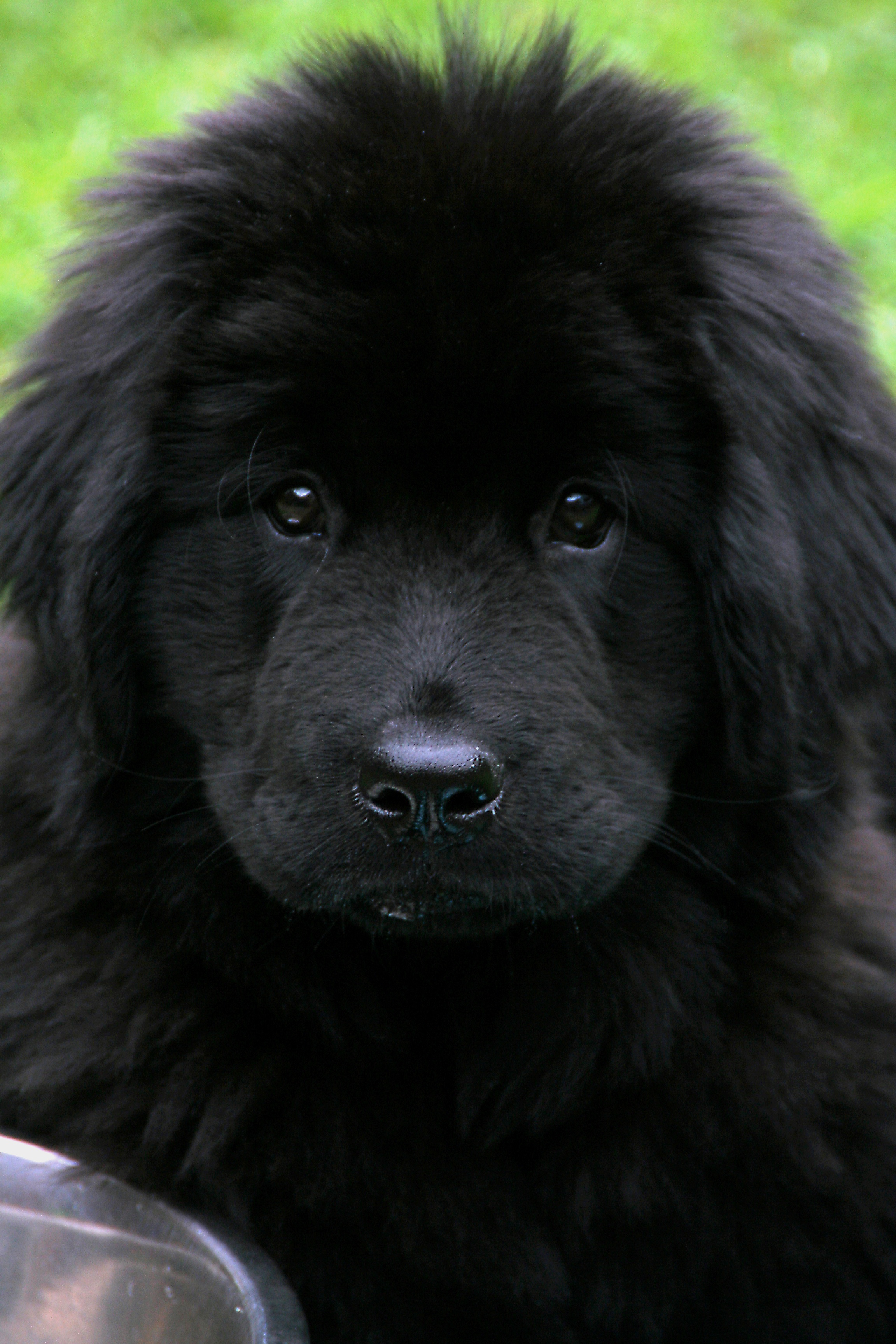
Newfoundland dogs have proven to be exceptional service animals for individuals with physical disabilities. These gentle giants are known for their strength and intelligence, making them well-suited for a variety of tasks. From assisting with mobility and balance to retrieving objects and opening doors, Newfoundland dogs are highly trained to provide invaluable support. Their calm and patient nature also makes them excellent companions, offering emotional support to those in need. With their impressive capabilities and loving demeanor, Newfoundland dogs are truly a game-changer for individuals with physical disabilities.
Therapy and Emotional Support
Therapy dogs and emotional support animals play a crucial role in providing comfort and assistance to individuals with various physical, emotional, and mental health conditions. When it comes to therapy animals, Newfoundland dogs have gained recognition for their gentle and empathetic nature. However, it is important to note that therapy dogs come in various breeds, and it is essential to understand the unique characteristics and temperaments of each breed. One popular comparison is the Scottish Terrier versus other terrier breeds. The Scottish Terrier, known for its independent and spirited personality, offers a distinct set of qualities that make it a valuable therapy dog. While other terrier breeds may have similar traits, the Scottish Terrier's unique charm and adaptability make it a standout choice for therapy work. With their intelligence, loyalty, and affectionate nature, Scottish Terriers excel in providing emotional support and companionship to those in need. Whether it is through their calming presence or their ability to sense and respond to emotions, Scottish Terriers have proven to be exceptional therapy animals.
Search and Rescue Operations
Search and rescue operations are one of the key roles performed by Newfoundland dogs as service animals. These highly trained dogs are essential in locating and saving individuals in various emergency situations, such as natural disasters and missing person cases. With their exceptional swimming abilities and strong built, Newfoundland dogs excel in water rescues, often diving into treacherous waters to retrieve victims. Their thick, water-resistant coats provide insulation in cold environments, allowing them to work effectively in harsh weather conditions. Additionally, their keen sense of smell and tracking abilities enable them to locate individuals who may be trapped or lost in remote areas. The dedication and loyalty of Newfoundland dogs make them invaluable assets in search and rescue operations, providing hope and comfort to those in need.
Training Newfoundland Dogs as Service Animals
Basic Obedience Training
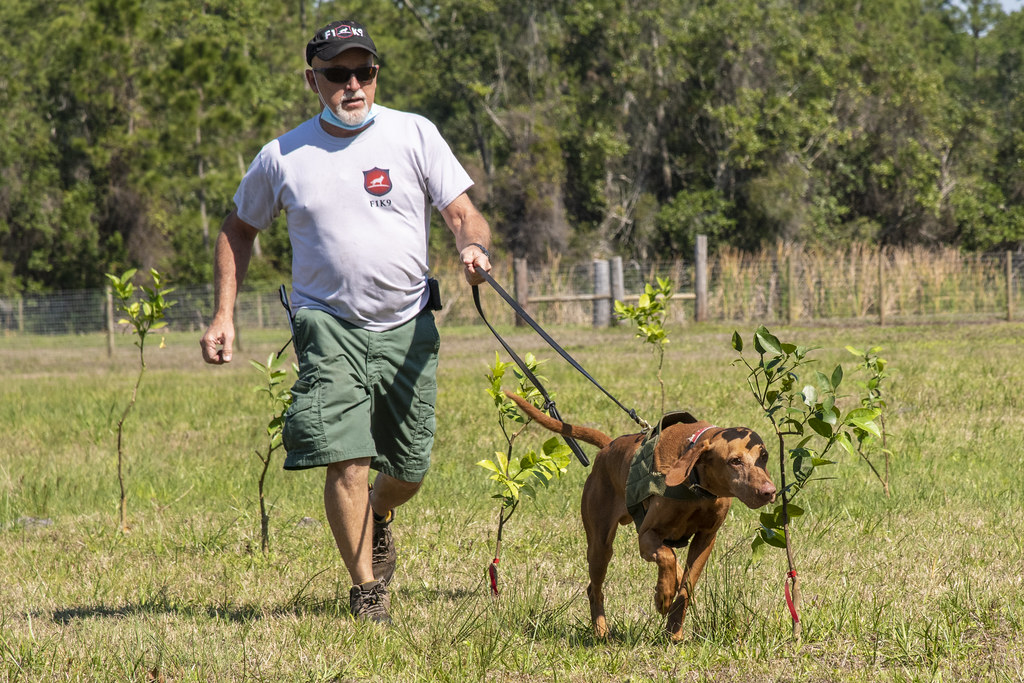
Basic obedience training is essential for Newfoundland dogs to become successful service animals. This training focuses on teaching the dogs basic commands such as sit, stay, come, and heel. It also includes leash training and socialization with other dogs and people. The goal of basic obedience training is to establish a strong foundation of discipline and control, which is crucial for the dogs to perform their service tasks effectively. By mastering basic obedience, Newfoundland dogs can develop the necessary skills and behaviors to assist individuals with disabilities in various ways.
Specialized Service Training
Specialized service training is a crucial component in preparing Newfoundland dogs to become effective service animals. These dogs undergo rigorous training that focuses on specific tasks and skills required for various service roles. From mobility assistance to search and rescue operations, Newfoundland dogs are trained to excel in their designated roles. During their training, they are taught to perform tasks such as retrieving objects, opening doors, and providing support to individuals with physical disabilities. Additionally, they receive extensive obedience training to ensure they can follow commands reliably. The specialized training provided to Newfoundland dogs equips them with the necessary skills and abilities to make a positive impact in the lives of those they assist.
Socialization and Desensitization
Socialization and desensitization are crucial aspects of training Newfoundland dogs as service animals. These dogs are not only trained to perform specific tasks but also to be comfortable and confident in various social settings. Outdoor adventures play a significant role in the socialization process, as they expose the dogs to different environments, noises, and people. By regularly taking Newfoundland dogs on outdoor adventures, trainers can help them become accustomed to new experiences and build their confidence. These adventures also provide opportunities for the dogs to interact with other animals and people, further enhancing their social skills. Overall, outdoor adventures are an integral part of the socialization and desensitization process for Newfoundland dogs as service animals.
Requirements for Newfoundland Dogs as Service Animals
Health and Physical Fitness
When it comes to health and physical fitness, Newfoundland dogs are known for their exceptional strength and endurance. These dogs have a robust build and a muscular body that allows them to excel in various physical activities. Their large size and powerful limbs enable them to navigate through challenging terrains and perform tasks that require strength, such as pulling heavy loads or rescuing people from water. Additionally, Newfoundland dogs have a thick double coat that provides insulation and protection in cold weather conditions. This coat also helps them to stay buoyant in water, making them excellent swimmers. With their natural swimming abilities and strong physique, Newfoundland dogs are well-suited for water rescue operations. To maintain their health and physical fitness, these dogs require regular exercise, including long walks and swimming sessions. Proper nutrition and regular veterinary check-ups are also essential for their overall well-being.
Temperament and Behavior
The temperament and behavior of Newfoundland dogs make them well-suited for service animal roles. These dogs are known for their gentle and patient nature, which is essential when working with individuals who have disabilities or special needs. They are incredibly loyal and form strong bonds with their handlers, making them reliable and trustworthy companions. Newfoundland dogs are also highly intelligent and trainable, allowing them to learn and perform a wide range of tasks to assist their handlers. Their calm and composed demeanor helps them remain focused and composed in stressful situations, ensuring that they can effectively carry out their duties as service animals. Overall, the temperament and behavior of Newfoundland dogs make them an ideal choice for service animal roles, providing invaluable support and assistance to those in need.
Specific Training Certifications
Specific training certifications are essential for Newfoundland dogs to become service animals. These certifications ensure that the dogs are properly trained to perform specific tasks and meet the needs of individuals with disabilities. One important certification is the Guide Dog Certification, which focuses on training dogs to assist individuals with visual impairments. Another crucial certification is the Hearing Dog Certification, which trains dogs to alert individuals with hearing loss to important sounds. Additionally, there is the Mobility Assistance Dog Certification, which teaches dogs to assist individuals with mobility limitations. These certifications provide Newfoundland dogs with the necessary skills and knowledge to fulfill their roles as service animals.
Challenges and Considerations
Size and Space Requirements
When it comes to Newfoundland dogs as service animals, their size and space requirements are an important consideration. These gentle giants are known for their impressive size, with males weighing between 130 and 150 pounds and standing 26 to 28 inches tall at the shoulder. Due to their large size, Newfoundland dogs require ample space to move around comfortably. They need a living environment that provides enough room for them to stretch, play, and exercise. Whether it's a spacious backyard or a large indoor area, having sufficient space is crucial for their well-being. Additionally, their size also impacts their housing needs. Newfoundland dogs need a dog bed or crate that is big enough to accommodate their size and allow them to rest comfortably. Providing them with a suitable living space that meets their size and space requirements is essential for their overall health and happiness.
Grooming and Maintenance
Grooming and maintenance are crucial aspects of caring for Newfoundland dogs. These gentle giants have thick, double coats that require regular brushing to prevent matting and keep their fur healthy. Additionally, their ears should be checked regularly for signs of infection, and their nails should be trimmed to avoid overgrowth. Regular grooming not only keeps the Newfoundland dog looking clean and well-groomed, but it also helps to maintain their overall health and hygiene. It is important to note that grooming requirements may vary depending on the individual dog's coat type and activity level. If you own a Havanese dog, you will need to pay extra attention to their grooming needs as they have a long, silky coat that can easily become tangled and matted. Regular brushing and occasional professional grooming will help keep their coat in top condition. Taking care of your Newfoundland or Havanese dog's grooming needs is an essential part of being a responsible pet owner.
Public Perception and Acceptance
Public perception and acceptance play a crucial role in the integration of service animals into society. When it comes to Newfoundland Dogs as service animals, there is a mixed response from the public. While some people are familiar with the capabilities and benefits of these dogs, others may have misconceptions or reservations. However, with proper education and awareness, the perception and acceptance of Newfoundland Dogs as service animals can be improved. It is important to highlight the unique qualities and training that these dogs undergo to become effective service animals. By showcasing their intelligence, loyalty, and gentle nature, Newfoundland Dogs can win over the hearts of the public and gain acceptance as valuable members of the service animal community.
Conclusion
Summary of Newfoundland Dogs as Service Animals
Newfoundland Dogs are highly regarded for their roles as service animals. They are trained to assist individuals with various disabilities, including mobility issues and autism. These gentle giants have a calm and patient temperament, making them ideal companions for those in need. Their large size and strength enable them to perform tasks such as pulling wheelchairs and retrieving items. Newfoundland Dogs are also known for their exceptional swimming abilities and have been utilized in water rescue operations. Their thick coats provide insulation in cold water, allowing them to save lives in challenging conditions. In summary, Newfoundland Dogs are invaluable service animals that bring comfort, assistance, and safety to individuals with disabilities.
Impact on Individuals with Disabilities
Newfoundland Dogs are highly trained service animals that have a significant impact on individuals with disabilities. Their extensive training enables them to perform a wide range of tasks to assist people with various disabilities. These dogs are trained to provide mobility support, such as helping individuals with physical impairments to walk or navigate their surroundings. They are also trained to retrieve objects, open doors, and even assist with household chores. The training of Newfoundland Dogs is rigorous and thorough, ensuring that they are well-prepared to meet the specific needs of their handlers. Through their training, these dogs develop a strong bond with their owners, providing not only practical assistance but also emotional support. The presence of a Newfoundland Dog can greatly enhance the quality of life for individuals with disabilities, offering them independence, companionship, and a sense of security.
Future Potential and Research
Future Potential and Research
The future potential of Newfoundland dogs as service animals is vast. With their exceptional strength, intelligence, and gentle nature, these dogs have already proven to be invaluable companions for individuals with disabilities. However, there is still much research to be done in order to fully understand and harness their capabilities. One area of research that holds promise is the communication between service dogs and their handlers. Effective communication is crucial for a successful partnership, and further studies can help identify the most effective methods for enhancing communication between individuals and their service dogs. By understanding how to effectively communicate with their dogs, handlers can ensure that their canine partners are able to perform their tasks accurately and efficiently. This research can also contribute to the development of training programs that focus on improving communication skills between service dogs and their handlers, ultimately leading to better outcomes for both parties involved.