Overview
Introduction to Akita puppies
Akita puppies are known for their loyalty, intelligence, and strong-willed nature. They are a large and powerful breed, originating from Japan. It is important to establish a strong foundation of training and socialization from an early age to ensure a well-behaved and balanced adult Akita. In this article, we will explore the key aspects of Akita puppy training, including basic obedience commands, housebreaking, and socialization. By following these guidelines, you will be able to set the foundation for a well-behaved Akita that will bring joy and companionship to your life for years to come.
Importance of training
Training is an essential aspect of raising an Akita puppy. It lays the foundation for a well-behaved dog and helps establish a strong bond between the owner and the pet. The importance of training cannot be emphasized enough, as it enables the puppy to learn basic commands, socialize with other dogs and people, and develop good behavior. One of the key elements in Akita puppy training is positive reinforcement. This method involves rewarding the puppy for desired behaviors, such as following commands or exhibiting good manners. By using positive reinforcement, the puppy learns to associate obedience with positive experiences, making the training process more enjoyable and effective. Incorporating positive reinforcement techniques into the training sessions helps create a positive learning environment and encourages the puppy to actively participate in the training process. It is crucial to highlight the significance of positive reinforcement in Akita puppy training, as it plays a vital role in shaping the dog's behavior and ensuring a well-adjusted and well-behaved companion.
Benefits of a well-behaved dog
A well-behaved dog brings numerous benefits to both the owner and the community. Firstly, a well-behaved dog is a joy to be around. It is calm, obedient, and respectful of boundaries, making it easier to take them on walks, have visitors over, or simply spend quality time together. Additionally, a well-behaved dog is safer for everyone. They are less likely to engage in aggressive behavior or run away, reducing the risk of accidents or conflicts with other dogs or people. Moreover, a well-behaved dog is a good ambassador for its breed. It helps dispel negative stereotypes and promotes responsible pet ownership. Overall, investing time and effort into training a dog to be well-behaved pays off in terms of a happier and harmonious relationship between the owner, the dog, and the community.
Understanding the Akita Breed
History and origin
The Akita breed has a rich history and origin. Originating in Japan, these dogs were originally used for hunting large game such as bears and boars. They were also prized for their loyalty and protective nature. Akita puppies are known for their intelligence and trainability, making them excellent companions and working dogs. Their smart and independent nature requires consistent and patient training. With the right foundation, Akita puppies can grow up to be well-behaved and obedient dogs.
Physical characteristics
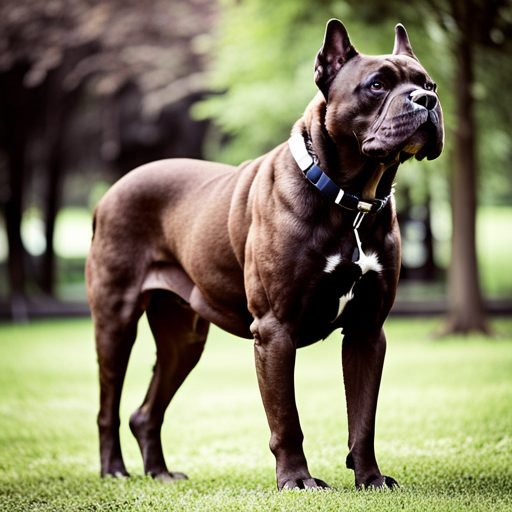
The Akita is a large and powerful dog breed originating from Japan. They have a distinctive appearance with a strong, muscular build and a thick double coat that comes in various colors including white, brindle, and pinto. Akita puppies are incredibly cute and adorable, but they quickly grow into impressive dogs with a commanding presence. Their physical characteristics include a broad head, erect ears, and dark, almond-shaped eyes that exude intelligence and loyalty. The Akita's body is well-balanced, with a deep chest, strong neck, and straight, sturdy legs. Their tail is thick and curls over their back. Overall, the Akita is a majestic and imposing breed that demands attention and respect.
Temperament and behavior
The temperament and behavior of an Akita puppy play a crucial role in their training and development. Akita puppies are known for their loyalty, intelligence, and strong protective instincts. It is important to understand that each Akita puppy is unique and may have different temperament traits. However, there are some common characteristics that can be observed in most Akitas. Akitas are generally calm and composed dogs, but they can also be stubborn and independent. They require firm and consistent training to ensure they understand their boundaries and become well-behaved dogs. Socialization is also key for Akitas to develop good behavior and interact well with other dogs and people. It is important to start training and socializing an Akita puppy from a young age to establish a strong foundation for their behavior and temperament.
Basic Training Techniques

Positive reinforcement
Positive reinforcement is a crucial aspect of Akita puppy training. It is a guide that emphasizes rewarding desired behaviors rather than punishing unwanted ones. By using positive reinforcement techniques such as treats, praise, and play, owners can effectively communicate with their Akita puppies and motivate them to learn and obey commands. This approach creates a positive and enjoyable training experience for both the puppy and the owner. With consistent and patient use of positive reinforcement, Akita puppies can develop into well-behaved and obedient dogs.
Clicker training
Clicker training is a highly effective method for training Akita puppies. This positive reinforcement technique uses a small handheld device, known as a clicker, to mark and reinforce desired behaviors. The clicker serves as a signal to the puppy that they have performed the correct action, and a reward, such as a treat or praise, follows immediately. This clear communication helps the puppy understand which behaviors are desired and encourages them to repeat those actions. Clicker training is particularly beneficial for Akita puppies as it allows for precise timing and consistency in rewarding good behavior. With consistent clicker training, Akita puppies can quickly learn commands and develop into well-behaved dogs.
Basic commands: Sit, Stay, Come
Training your Akita puppy in basic commands such as Sit, Stay, and Come is crucial for establishing a foundation of good behavior. These commands are not only essential for your puppy's safety but also for creating a well-behaved dog. Teaching your Akita to sit on command ensures that they stay in one place and not jump on people or run into dangerous situations. The stay command teaches your puppy to remain in a specific position until released, which is useful for situations like when guests arrive or when you need your puppy to stay put while you attend to something. The come command is vital for recall, allowing you to call your Akita back to you in potentially dangerous situations or when they wander off. By consistently practicing and reinforcing these basic commands, you can shape your Akita puppy into a well-mannered and obedient companion.
Socialization and Exposure
Introduction to different environments
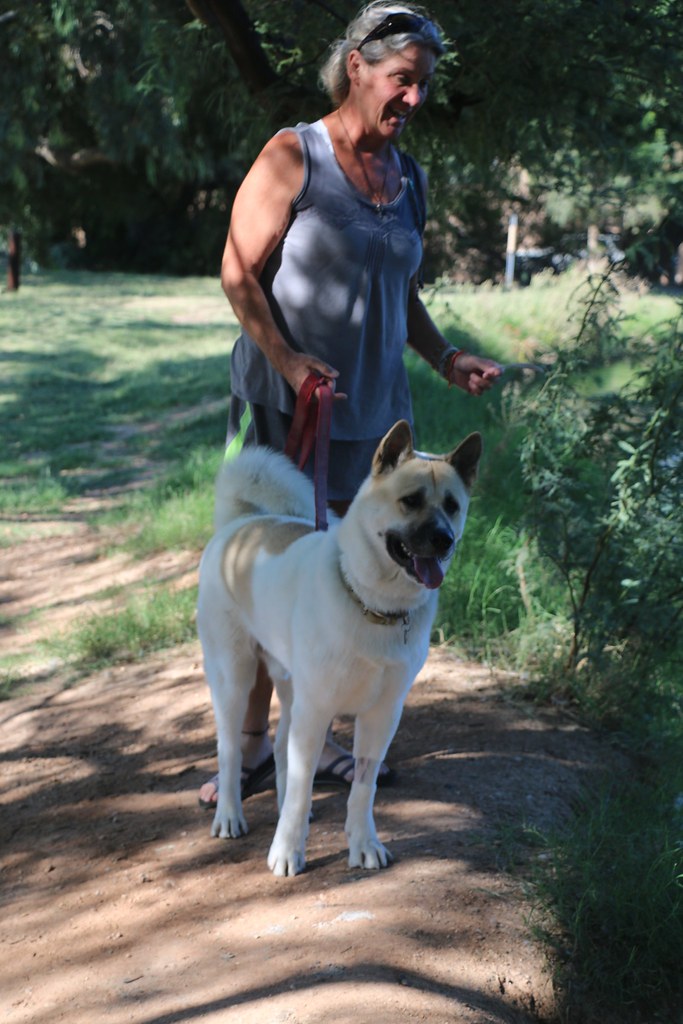
Training an Akita puppy involves exposing them to different environments to ensure they become well-behaved dogs. Introducing your puppy to various settings such as parks, streets, and different indoor spaces is crucial for their socialization and adaptability. By gradually exposing your Akita to different environments, they will learn to navigate new situations with confidence and ease. This is especially important for a breed like the Akita, known for their strong-willed nature. It is essential to start this training early on to establish a solid foundation for your Akita's behavior and prevent potential issues in the future.
Meeting new people and animals
Meeting new people and animals is an essential part of socializing your Akita puppy. It is important to start this process early to ensure that your puppy grows up to be a well-behaved and friendly dog. One of the key aspects of meeting new people and animals is learning how to bond with your dog. Building a strong bond with your Akita puppy will not only strengthen your relationship but also help them feel more comfortable and confident in new situations. To bond with your dog, spend quality time together, engage in positive reinforcement training, and provide plenty of socialization opportunities. By doing so, you will help your Akita puppy develop into a well-rounded and sociable adult dog.
Desensitization to common stimuli
Desensitization to common stimuli is an essential part of Akita puppy training. It involves exposing the puppy to various stimuli in a controlled and gradual manner, helping them become more comfortable and less reactive. One important aspect of desensitization is exercising the puppy in different environments, such as busy streets, parks, and crowded areas. This helps them get accustomed to the sights, sounds, and smells they may encounter in their daily lives. By gradually increasing the intensity of the stimuli, the puppy learns to remain calm and focused, even in potentially overwhelming situations. It is important to note that desensitization should always be done under the guidance of a professional trainer to ensure the safety and well-being of the puppy.
House Training and Crate Training
Establishing a routine
Establishing a routine is crucial when it comes to Akita puppy training. Consistency is key in teaching your furry friend good behavior and building a strong foundation for a well-behaved dog. By establishing a daily schedule for feeding, exercise, and training sessions, you can create a sense of structure and predictability for your puppy. This routine will help them understand what is expected of them and reduce any confusion or anxiety. Additionally, a consistent routine will make it easier for you to track your puppy's progress and identify any areas that may need extra attention. With a solid routine in place, you can set your Akita puppy up for success and ensure they grow into a well-rounded and obedient companion.
Using positive reinforcement
Positive reinforcement is a highly effective training method that focuses on rewarding desired behaviors rather than punishing unwanted ones. It is especially beneficial for Akita puppy training as it helps to build a strong foundation for a well-behaved dog. By using positive reinforcement techniques, such as treats, praise, and play, owners can encourage their Akita puppies to learn and obey commands. This approach not only helps to establish a positive and trusting relationship between the owner and the puppy but also promotes a happy and stress-free learning environment. For a west highland white terrier owner, positive reinforcement is equally important in shaping their dog's behavior and ensuring a well-mannered and obedient pet.
Crate training for potty training
Crate training is an essential part of potty training for Akita puppies. It provides them with a safe and secure space where they can rest and relax. When it comes to potty training, a crate can help establish a routine and prevent accidents in the house. The key is to introduce the crate gradually and make it a positive experience for your puppy. Start by placing treats and toys inside the crate to encourage them to enter. Use positive reinforcement and praise when they use the crate correctly. Remember, consistency is key when crate training your Akita puppy. With time and patience, your puppy will learn to associate the crate with a comfortable and secure environment for potty training. If you have a bullmastiff or are considering getting a new pet, crate training is equally important for them as well. It helps in teaching them boundaries and aids in their overall behavior and training. By crate training your bullmastiff or new pet, you are setting the foundation for a well-behaved dog.
Addressing Behavioral Issues
Biting and nipping
Biting and nipping are common behaviors in Akita puppies. It is important to address these behaviors early on to prevent them from becoming a habit. Akita dogs have a strong instinct to bite and nip, which can be attributed to their hunting background. To discourage biting and nipping, it is essential to provide proper training and socialization. Teaching your Akita puppy bite inhibition is crucial, as it teaches them to control the force of their bite. Additionally, redirecting their attention to appropriate chew toys and rewarding them for good behavior can help discourage biting and nipping. Consistency and patience are key when training an Akita puppy, as it may take time for them to learn and overcome these behaviors. By setting a strong foundation and addressing biting and nipping early on, you can ensure that your Akita puppy grows up to be a well-behaved and obedient dog.
Aggression towards other dogs
Aggression towards other dogs can be a common issue in Akita puppies. It is important to address this behavior early on through essential training. By socializing your Akita puppy with other dogs in controlled environments, you can help them develop positive associations and learn appropriate behaviors. Additionally, providing consistent and firm leadership will establish boundaries and reinforce good behavior. It is crucial to understand that aggression towards other dogs can stem from fear, insecurity, or a lack of socialization. Therefore, patience, consistency, and positive reinforcement are key in shaping a well-behaved and friendly Akita dog.
Separation anxiety
Separation anxiety is a common issue that many Akita puppy owners face. When a puppy becomes overly attached to their owner, they may experience distress when left alone. This can manifest in destructive behavior, excessive barking, and even physical symptoms like panting and pacing. It is important to address separation anxiety early on to prevent it from becoming a long-term problem. One effective strategy is gradually increasing the amount of time the puppy is left alone, starting with short periods and gradually extending them. Providing the puppy with a safe and comfortable space, such as a crate or designated area, can also help alleviate anxiety. Additionally, engaging in positive reinforcement training and providing mental stimulation through interactive toys can help distract the puppy and reduce their anxiety. It is important to be patient and consistent when working with a puppy experiencing separation anxiety, as it may take time for them to adjust and feel more secure when alone.