Overview
Introduction to Alaskan Malamutes
Alaskan Malamutes are a fascinating breed of dogs that have captured the hearts of many dog lovers. With their striking appearance and impressive size, they are often mistaken for wolves. However, it is important to debunk the myths and misconceptions surrounding these majestic creatures. Alaskan Malamutes are not aggressive or dangerous animals, as some may believe. They are actually known for their friendly and gentle nature, making them great companions for families. Another common misconception is that Alaskan Malamutes are difficult to train. While they are independent thinkers, with proper training and socialization, they can be obedient and well-behaved pets. It is also worth noting that Alaskan Malamutes do not require excessive exercise. Despite their size and strength, they are not hyperactive dogs and can adapt well to different living situations. In conclusion, Alaskan Malamutes are loyal, friendly, and trainable dogs that make wonderful companions for those who understand and appreciate their unique qualities.
Common misconceptions about Alaskan Malamutes
Alaskan Malamutes are often misunderstood and have many misconceptions surrounding them. One common misconception is that Alaskan Malamutes are aggressive and not suitable for families. However, this is far from the truth. Alaskan Malamutes can be friendly and gentle with proper training and socialization. Another misconception is that Alaskan Malamutes require a lot of exercise and are not suitable for apartment living. While it is true that they are an active breed, they can adapt well to different living situations as long as they receive enough mental and physical stimulation. It is important for potential owners to understand that Alaskan Malamutes are not like other dog breeds and require a committed and knowledgeable owner who can meet their unique needs.
Purpose of the article
The purpose of this article is to debunk the misconceptions surrounding Alaskan Malamutes and provide accurate information about this breed. Alaskan Malamutes are often misunderstood and misrepresented, leading to false beliefs and stereotypes. By addressing these misconceptions, we aim to educate readers and promote a better understanding of Alaskan Malamutes. Through this article, we will explore the true nature and characteristics of Alaskan Malamutes, their temperament, exercise needs, and suitability as family pets. We will also provide helpful tips and advice for potential owners, including fun activities to try with your Alaskan Malamute and outdoor adventures for dog lovers.
Myth 1: Alaskan Malamutes are aggressive
Understanding the temperament of Alaskan Malamutes
Alaskan Malamutes are often misunderstood due to various misconceptions. However, understanding the temperament of these magnificent dogs is crucial to debunking these myths. Contrary to popular belief, Alaskan Malamutes are not aggressive. They are known for their friendly and affectionate nature, making them great family pets. Additionally, they are highly intelligent and can be trained to be well-behaved and obedient. While they may have a strong prey drive, proper socialization and training can help minimize any potential issues. It is important to note that every dog, including Alaskan Malamutes, has their own unique personality and temperament. Therefore, generalizations should be avoided when discussing these beautiful and loyal companions. So, if you're considering getting a dog, don't overlook the wonderful qualities that Alaskan Malamutes have to offer.
Factors that contribute to misconceptions about aggression
There are several factors that contribute to misconceptions about aggression in Alaskan Malamutes. One of the main factors is their appearance. Alaskan Malamutes are large, powerful dogs with a strong and muscular build, which can be intimidating to some people. This physicality often leads to assumptions that they are aggressive and dangerous. Another factor is their history and reputation. Alaskan Malamutes were originally bred as sled dogs, and their strength and endurance were highly valued. However, this history has led to misconceptions that they are inherently aggressive and prone to violence. Additionally, media portrayal plays a role in shaping these misconceptions. Movies and television shows often depict Alaskan Malamutes as aggressive and ferocious, reinforcing the belief that they are dangerous. It is important to recognize that aggression in dogs, including Alaskan Malamutes, is not solely determined by breed but is influenced by various factors such as socialization, training, and individual temperament.
Debunking the myth with evidence and examples
In order to debunk the myth about Alaskan Malamutes, it is essential to provide evidence and examples that counter the misconceptions surrounding this breed. One common misconception is that Alaskan Malamutes are aggressive and dangerous. However, this is not true. Alaskan Malamutes are known for their friendly and gentle nature. They are loyal and affectionate towards their owners and are generally good with children. Another myth is that Alaskan Malamutes are difficult to train. While it is true that they can be independent and stubborn at times, with proper training and consistency, Alaskan Malamutes can be obedient and well-behaved pets. It is important to understand that the behavior of any dog breed is influenced by various factors, including their upbringing, socialization, and individual personality. By providing evidence and examples that challenge these misconceptions, it becomes clear that Alaskan Malamutes are loving and trainable companions.
Myth 2: Alaskan Malamutes are difficult to train
The intelligence and trainability of Alaskan Malamutes
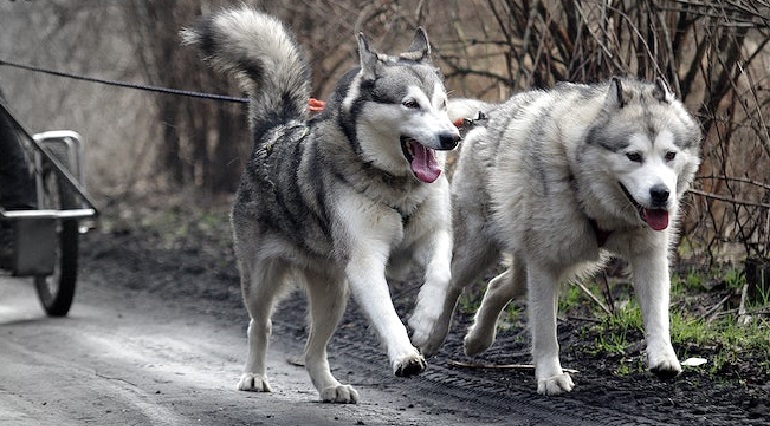
Alaskan Malamutes are often misunderstood when it comes to their intelligence and trainability. Contrary to popular belief, these majestic dogs are highly intelligent and can be trained effectively with the right approach. It is important to develop communication with your dog, as this is key to establishing a strong bond and successful training. By understanding their unique temperament and using positive reinforcement techniques, you can unlock the full potential of your Alaskan Malamute. With patience, consistency, and a willingness to adapt to their needs, you will be amazed at the level of intelligence and trainability these dogs possess.
Common challenges in training Alaskan Malamutes
Training Alaskan Malamutes can be a challenging task for many dog owners. One common challenge is their independent and stubborn nature. Malamutes are known for their strong-willed personalities, which can make them resistant to traditional training methods. Additionally, their high energy levels can make it difficult to keep them focused during training sessions. Another challenge is their strong prey drive, which can lead to issues with recall and off-leash training. It is important for owners to be patient, consistent, and firm in their training approach with Alaskan Malamutes. Providing them with plenty of mental and physical stimulation, along with positive reinforcement, can help overcome these challenges and establish a strong bond with these majestic dogs.
Effective training techniques for Alaskan Malamutes
When it comes to effective training techniques for Alaskan Malamutes, there are a few key factors to consider. First and foremost, consistency is key. These intelligent and strong-willed dogs thrive on routine, so it's important to establish a consistent training schedule. Additionally, positive reinforcement is crucial for motivating and rewarding your Malamute during training sessions. Using treats, praise, and playtime as rewards can help reinforce desired behaviors. Another important aspect of training is socialization. Alaskan Malamutes are pack animals, and exposing them to different people, animals, and environments from an early age can help prevent behavioral issues. Lastly, finding the perfect collie puppies is essential for successful training. By selecting a puppy with the right temperament and genetic traits, you can set yourself up for a smoother training experience.
Myth 3: Alaskan Malamutes cannot coexist with other pets
Alaskan Malamutes' natural instincts and prey drive
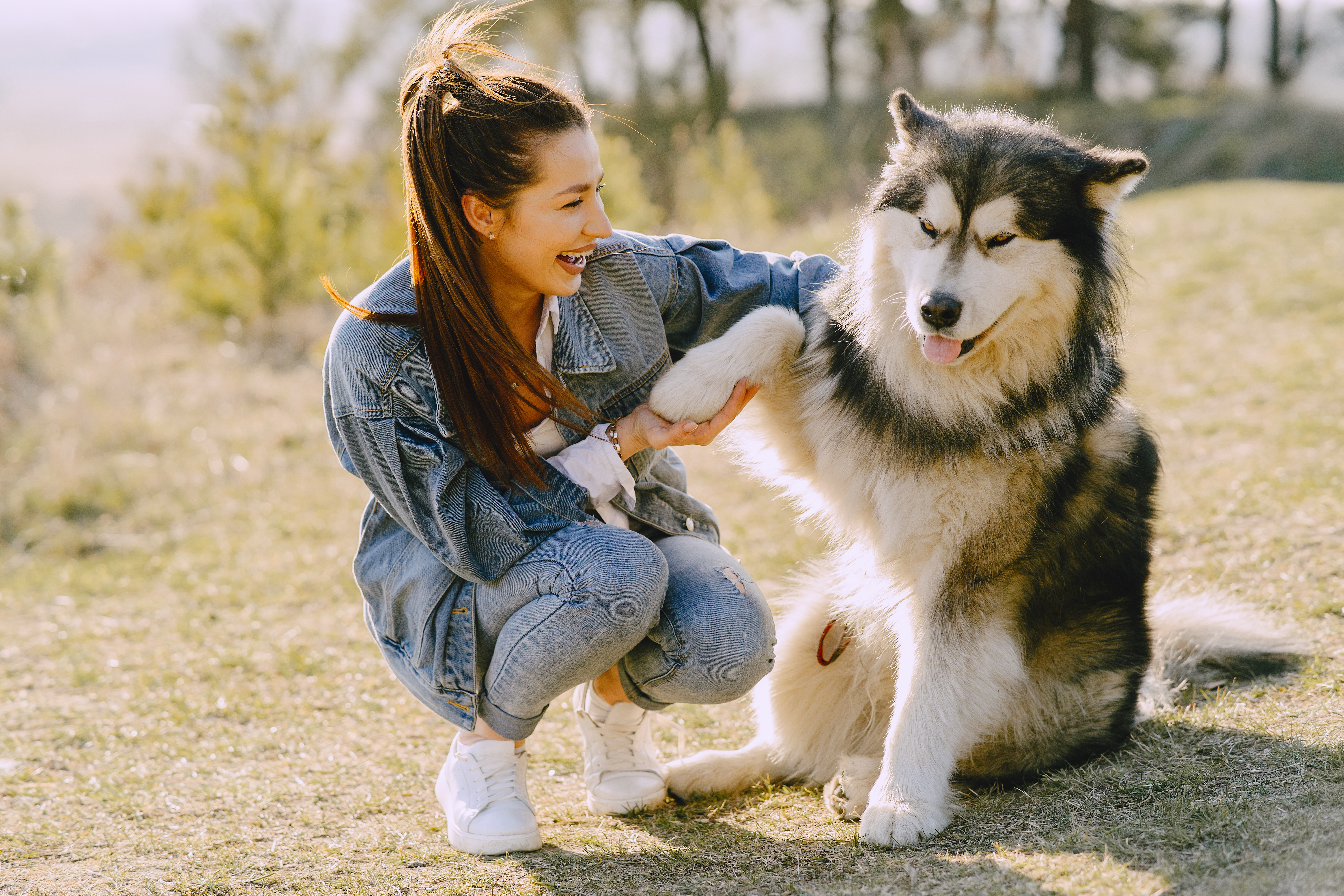
Alaskan Malamutes are known for their strong natural instincts and prey drive. These instincts are deeply rooted in their ancestry as sled dogs and working companions in harsh Arctic conditions. Unlike other breeds, Alaskan Malamutes have a keen sense of smell and excellent tracking abilities, making them exceptional hunters. Their prey drive is evident in their behavior, as they may chase small animals or exhibit a strong desire to explore their surroundings. It is important for owners to understand and manage these instincts to ensure the safety of both the dog and other animals. Despite their hunting abilities, it is crucial to note that Alaskan Malamutes are generally friendly and gentle with humans, making them excellent family pets.
Introducing Alaskan Malamutes to other pets
Introducing Alaskan Malamutes to other pets can be a challenging task, but with the right approach, it can be a rewarding experience for both the Malamute and the other pets. One of the most important tips for introducing a Malamute to other pets is to do it gradually. Start by allowing them to sniff each other through a gate or a door, and gradually increase their interaction time. It is also important to provide each pet with their own space and resources to avoid any potential conflicts. Additionally, supervised interactions and positive reinforcement can help in building a positive association between the Malamute and the other pets. Remember, every pet is unique, so it is essential to be patient and understanding throughout the process.
Successful stories of Alaskan Malamutes living harmoniously with other pets
Alaskan Malamutes are often misunderstood and have gained a reputation for being aggressive towards other pets. However, there are many successful stories of Alaskan Malamutes living harmoniously with other pets. These stories prove that with proper training and socialization, Alaskan Malamutes can coexist peacefully with other animals. One such success story is the case of Max, an Alaskan Malamute who was introduced to a household that already had a cat. Through careful introductions and positive reinforcement training, Max and the cat developed a strong bond and now enjoy each other's company. Another success story involves Luna, an Alaskan Malamute who was adopted into a home with a small dog. With consistent training and supervision, Luna and the small dog have become best friends and play together every day. These stories highlight the importance of training and socializing Alaskan Malamutes with other pets, as it can lead to a harmonious and loving relationship.
Myth 4: Alaskan Malamutes require excessive exercise
Understanding the exercise needs of Alaskan Malamutes
Understanding the exercise needs of Alaskan Malamutes is crucial for their overall well-being and happiness. Contrary to popular belief, these magnificent dogs require a significant amount of physical activity to thrive. Daily exercise is not only important for maintaining their physical health, but it also helps to stimulate their minds and prevent boredom. Alaskan Malamutes are known for their endurance and strength, and they excel in activities such as hiking, sledding, and long-distance running. It is recommended to provide them with at least 1-2 hours of vigorous exercise every day. This can include activities like brisk walks, jogs, or playing fetch in a spacious and secure area. Additionally, mental stimulation through training sessions and interactive toys is also essential for these intelligent and active dogs. By understanding and meeting the exercise needs of Alaskan Malamutes, owners can ensure that their furry companions lead a happy and fulfilling life.
Balancing exercise and mental stimulation
Balancing exercise and mental stimulation is crucial for the overall well-being of Alaskan Malamutes. These majestic dogs are known for their high energy levels and intelligence, and it is important to provide them with outlets to channel their energy and stimulate their minds. Regular exercise, such as daily walks or runs, is essential to keep them physically fit and prevent behavioral issues that may arise from pent-up energy. Additionally, engaging them in mentally stimulating activities, such as puzzle toys or obedience training, can help satisfy their need for mental stimulation. By finding the right balance between physical exercise and mental enrichment, Alaskan Malamutes can lead happy and fulfilled lives.
Tips for providing adequate exercise for Alaskan Malamutes
Alaskan Malamutes are a highly energetic and active breed of dogs that require plenty of exercise to stay healthy and happy. Providing adequate exercise for Alaskan Malamutes is essential to prevent them from becoming bored or developing destructive behaviors. Here are some tips to ensure your Alaskan Malamute gets the exercise they need:
1. Daily walks: Taking your Alaskan Malamute for daily walks is a great way to provide them with physical exercise and mental stimulation. Aim for at least 30 minutes to an hour of brisk walking.
2. Jogging or running: If you are a jogger or runner, consider taking your Alaskan Malamute with you. They have a natural instinct to run, and this activity will help them burn off excess energy.
3. Dog sports: Engaging your Alaskan Malamute in dog sports like agility or flyball can provide them with both physical and mental exercise. These activities challenge their problem-solving skills and keep them entertained.
4. Playtime: Allocate time each day for interactive play sessions with your Alaskan Malamute. This can include playing fetch, tug-of-war, or hide-and-seek.
Remember, providing adequate exercise for your Alaskan Malamute is crucial for their overall well-being and happiness.
Myth 5: Alaskan Malamutes are not suitable for families with children

Alaskan Malamutes' temperament around children
Alaskan Malamutes are often misunderstood when it comes to their temperament around children. Contrary to popular belief, these gentle giants are actually quite good with kids. They are known for their patient and tolerant nature, making them excellent companions for children of all ages. Alaskan Malamutes are naturally protective of their family, including the little ones, and will go to great lengths to ensure their safety. However, it is important to note that proper socialization and training are key in ensuring a harmonious relationship between an Alaskan Malamute and children. It is recommended to supervise interactions between the dog and child, especially in the early stages, to prevent any accidental harm. With the right guidance and care, Alaskan Malamutes can form strong bonds with children and become their loyal and loving playmates.
Teaching children how to interact with Alaskan Malamutes
Teaching children how to interact with Alaskan Malamutes is crucial in ensuring a safe and positive experience for both the children and the dogs. Contrary to popular belief, Alaskan Malamutes are not aggressive or dangerous dogs. They are actually known for their gentle and friendly nature, especially towards children. However, it is important to teach children the proper way to approach and interact with these majestic creatures. One misconception that needs to be debunked is that Alaskan Malamutes are similar to basset hounds in terms of temperament and behavior. While both breeds are lovable and make great family pets, they have distinct differences. It is essential to educate children about these differences to avoid any misunderstandings or potential conflicts. By teaching children to respect the boundaries and needs of Alaskan Malamutes, we can ensure a harmonious and safe environment for everyone involved.
Successful experiences of families with children and Alaskan Malamutes
Alaskan Malamutes are often misunderstood when it comes to their compatibility with children. However, many families have had successful experiences raising both children and Alaskan Malamutes. These gentle giants are known for their patience and love for their human companions, especially children. Contrary to popular belief, Alaskan Malamutes can be excellent family dogs and are often very protective of their little ones. They have a natural instinct to be gentle and nurturing towards children, making them great playmates and loyal friends. It is important to note that proper training and socialization are key to ensuring a harmonious relationship between children and Alaskan Malamutes. With the right guidance and care, families can enjoy the wonderful bond that can be formed between children and their Alaskan Malamute companions.
Conclusion
Summarizing the debunked myths about Alaskan Malamutes

Alaskan Malamutes are often misunderstood and surrounded by various misconceptions. However, it is important to debunk these myths to provide accurate information about this magnificent breed. One common myth is that Alaskan Malamutes are aggressive and dangerous. This is not true. Alaskan Malamutes are generally friendly and gentle, especially when properly trained and socialized. Another misconception is that Alaskan Malamutes are difficult to train. While they may have an independent streak, with consistent and positive reinforcement, they can be trained effectively. It is also believed that Alaskan Malamutes cannot live in warmer climates. While they are more suited to colder environments, with proper care and attention, they can adapt to warmer climates as well. Overall, it is important to base our understanding of Alaskan Malamutes on facts rather than misconceptions.
Highlighting the true characteristics of Alaskan Malamutes
Alaskan Malamutes are often misunderstood due to various misconceptions. However, it is important to highlight the true characteristics of these magnificent dogs. Contrary to popular belief, Alaskan Malamutes are not aggressive or dangerous. They are actually known for their friendly and gentle nature. These dogs are incredibly loyal and make excellent family pets. Another misconception is that Alaskan Malamutes are difficult to train. While they can be independent at times, with proper training and socialization, they can become obedient and well-behaved companions. Additionally, it is often believed that Alaskan Malamutes require a lot of exercise and space. While they do have high energy levels, regular exercise and mental stimulation can keep them happy and content in smaller living spaces as well. Overall, it is important to debunk these myths and educate people about the true characteristics of Alaskan Malamutes.
Encouraging responsible ownership and education
Encouraging responsible ownership and education is crucial when it comes to Alaskan Malamutes, especially in regards to coat care for dogs. Many misconceptions exist about the grooming needs of Alaskan Malamutes, leading to potential neglect and health issues. It is important for owners to understand the unique requirements of this breed's thick double coat, which requires regular brushing and occasional bathing to prevent matting and maintain a healthy coat. Additionally, proper nutrition and exercise are essential for promoting a healthy coat and overall well-being. By educating owners about the importance of coat care and providing resources for grooming tips and techniques, we can ensure that Alaskan Malamutes receive the care they need and debunk the myths surrounding their grooming needs.