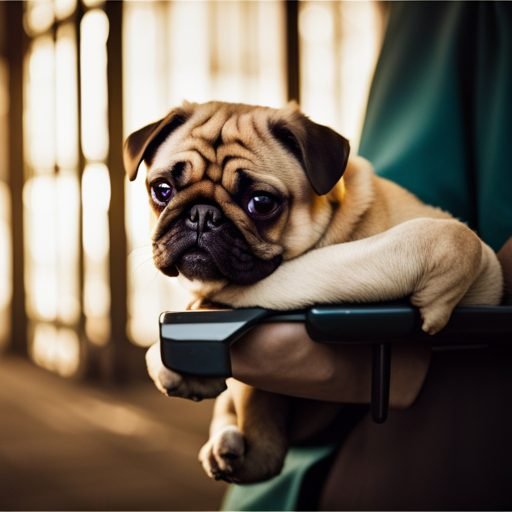
Are you ready to discover the adorable charm of the Dachshund Maltese mix? Get ready to be captivated by their unique appearance and luxurious coat.
Their lively and affectionate personality will instantly win your heart, making them the perfect companion. But it's not just their beauty that sets them apart – they also have specific health and exercise needs.
In this article, we'll explore everything you need to know about this delightful breed. So, let's dive in and uncover the hidden gems of the Dachshund Maltese mix!
Appearance and Coat Characteristics
You should be aware that the appearance and coat characteristics of the Dachshund Maltese Mix can vary greatly depending on the individual dog. When it comes to grooming tips for this unique mix, it's important to understand the different coat types that may be present.
Some Dachshund Maltese Mixes may inherit the short, smooth coat of the Dachshund, while others may have the long, silky coat of the Maltese. Regardless of the type, regular brushing is essential to keep their coat healthy and free from tangles or mats.
For dogs with a short coat, a soft bristle brush or rubber curry brush can help remove loose hair and keep their skin clean. On the other hand, dogs with a long coat may require more frequent brushing to prevent their hair from becoming tangled. Using a slicker brush or a comb with wide-spaced teeth can help detangle their hair gently.
Additionally, regular baths with a mild dog shampoo can keep their coat looking clean and shiny. Remember to always dry their coat thoroughly after bathing to prevent any skin issues.
Personality Traits and Temperament
When it comes to personality traits and temperament, your Dachshund Maltese mix is a unique breed with a lot to offer. They're known for their adaptability to different environments, which makes them great companions for both city dwellers and country lovers alike.
Socialization and training are key factors in shaping their friendly and outgoing nature, ensuring that they become well-rounded and well-behaved pets.
Unique Breed Characteristics
There are several unique breed characteristics that make the Dachshund Maltese Mix a delightful companion.
With their long bodies and short legs, they possess the adorable appearance of a Dachshund, while inheriting the soft and silky coat of a Maltese.
This mix also combines the intelligence and loyalty of both breeds, making them highly trainable and eager to please.
However, proper training and socialization are crucial for this breed to reach its full potential.
Due to their strong-willed nature, early socialization helps them develop good manners and reduces the risk of behavioral issues.
Training should be consistent, using positive reinforcement methods to keep them engaged and motivated.
With the right training and socialization, the Dachshund Maltese Mix can be a well-rounded and loving companion for any family.
Adaptability to Environments
Typically, the Dachshund Maltese Mix is highly adaptable to various environments, so they can easily adjust to new surroundings and situations. Their environmental adaptability makes them an ideal companion for individuals with different lifestyles.
Whether you live in a busy city or a quiet countryside, this adorable mix can thrive in any setting. Their small size allows them to comfortably fit into apartments or houses with limited space. Additionally, their low exercise requirements make them suitable for individuals with a more relaxed lifestyle.
If you enjoy spending time indoors, the Dachshund Maltese Mix will gladly cuddle up with you on the couch. On the other hand, if you prefer outdoor activities, they'll happily accompany you on walks or play fetch in the park. Their adaptability and lifestyle compatibility truly make them a versatile and lovable breed.
Socialization and Training
Socialization and training play a crucial role in shaping the personality and temperament of any dog, including a Dachshund Maltese Mix. Through social interaction with other dogs and humans, these adorable pups learn how to behave in various environments. Proper socialization helps them become more confident and less fearful in different situations.
Obedience training, on the other hand, teaches them basic commands and manners, enabling them to become well-behaved and obedient companions. By providing consistent training and positive reinforcement, you can help your Dachshund Maltese Mix develop desirable traits such as being friendly, adaptable, and well-mannered.
Health and Exercise Needs
To keep your Dachshund Maltese mix healthy and happy, it's important to understand their specific health and exercise needs.
Providing them with a balanced and nutritious diet will help prevent common health issues, such as obesity and dental problems.
Additionally, regular physical activity, such as daily walks and playtime, will ensure they maintain a healthy weight and have the opportunity to burn off excess energy.
Nutritional Requirements for Health
You should aim to meet the daily nutritional requirements of your Dachshund Maltese mix by providing them with a balanced diet. The nutritional requirements for your furry friend are essential for their overall health and well-being.
When it comes to feeding guidelines, it's important to ensure that their diet consists of high-quality protein, healthy fats, carbohydrates, vitamins, and minerals. Consult with your veterinarian to determine the appropriate amount of food based on your dog's age, weight, and activity level.
It's crucial to avoid overfeeding your Dachshund Maltese mix, as obesity can lead to various health problems. Additionally, make sure to provide fresh water at all times and avoid feeding them harmful human foods such as chocolate, onions, and grapes.
Physical Activity Recommendations
You should aim to engage in regular physical activity with your Dachshund Maltese mix, as it can greatly contribute to their overall health and well-being. When it comes to exercise, you have the choice between outdoor and indoor activities.
Outdoor exercise allows your furry friend to explore new scents, socialize with other dogs, and burn off energy. Taking them for walks, playing fetch, or going for a swim are all great options.
On the other hand, indoor exercise can be just as beneficial, especially during extreme weather conditions. Activities like interactive toys, obstacle courses, and indoor playdates can keep them active and entertained.
Regardless of the type of exercise, it's recommended to engage in physical activity with your Dachshund Maltese mix at least 30 minutes to an hour every day. So, grab that leash and get moving for a healthier and happier pup!
Common Health Issues
Regular exercise is essential for maintaining the overall health and well-being of your Dachshund Maltese mix. It helps prevent common health issues such as obesity and joint problems. Prevention methods play a crucial role in keeping your furry friend healthy and happy.
By engaging in daily walks, playtime, and interactive activities, you can ensure that your Dachshund Maltese mix stays active and maintains a healthy weight. Incorporating activities that promote mental stimulation, such as puzzle toys and obedience training, can enhance their overall well-being.
In case your furry companion does develop health issues, common treatments include medication, physical therapy, and surgery, depending on the severity of the condition. Regular check-ups with your veterinarian and maintaining a healthy lifestyle through exercise and proper nutrition are key to preventing and managing these health issues.
Training and Socialization Tips
Take your Dachshund Maltese mix to the park for socializing with other dogs and reinforce their training during playtime. Training techniques and socialization methods are essential for your furry friend's development and overall well-being. By exposing them to different environments and interactions with other dogs, you're helping them become more confident and well-adjusted.
During playtime at the park, incorporate training exercises to reinforce their obedience and reinforce positive behaviors. Use treats and praise to reward good behavior, such as sitting, staying, or coming when called. This won't only strengthen their training but also encourage good manners when interacting with other dogs and humans.
Socialization is crucial for your Dachshund Maltese mix to become comfortable in various situations. Introduce them to different people, animals, and environments from an early age. This will help prevent fear or aggression towards unfamiliar situations, making them more adaptable and friendly.
When socializing your dog, always prioritize their safety. Supervise their interactions with other dogs, ensuring that they're positive and playful. If any signs of aggression or discomfort arise, calmly remove them from the situation and redirect their attention to something positive.
Grooming and Maintenance
How often should you brush and bathe your Dachshund Maltese mix, and do you need to take them to a professional groomer?
Taking care of your furry friend's grooming needs is essential for their overall health and appearance. The Dachshund Maltese mix, also known as a Maltie, has a beautiful double-coat that requires regular maintenance.
To keep their coat looking its best, it's recommended to brush your Maltie at least 2-3 times a week. Regular brushing helps to remove loose hair and prevent matting.
For bathing, once every 4-6 weeks is usually sufficient, unless your dog gets particularly dirty or has a skin condition. It's important to use a gentle, dog-specific shampoo and conditioner to keep their coat clean and healthy.
While you can groom your Maltie at home, professional groomers can provide additional services such as nail trimming and ear cleaning. They're also experienced in grooming techniques specific to different breeds.
However, if you're confident in your grooming skills, you can certainly handle it yourself. Just remember to be gentle and patient, and always reward your Maltie for good behavior during grooming sessions.
Finding and Adopting a Dachshund Maltese Mix
To find and adopt a Dachshund Maltese mix, you can start by researching local animal shelters and rescue organizations. These organizations often have a variety of mixed breed dogs available for adoption, including the adorable Dachshund Maltese mix. By adopting from a shelter or rescue, not only are you giving a loving home to a dog in need, but you're also saving a life.
If you prefer to find a Dachshund Maltese mix from a breeder, be sure to do thorough research to find a reputable breeder. Look for breeders who prioritize the health and well-being of their dogs over profit. Ask for references and visit the breeder's facility to ensure that the dogs are being raised in a clean and caring environment.
Once you bring your Dachshund Maltese mix home, it's important to introduce them to your other pets properly. Start by allowing them to sniff each other through a baby gate or a crate. Gradually increase their interaction under supervision to ensure a smooth transition. Give each pet plenty of attention and praise to help them feel secure and loved.
Frequently Asked Questions
Are Dachshund Maltese Mixes Good With Children and Other Pets?
Dachshund Maltese mixes can be good with children and other pets, but it depends on their individual temperament and training. It's important to socialize and train them properly to ensure positive interactions.
How Often Should a Dachshund Maltese Mix Be Groomed?
To keep your Dachshund Maltese mix looking their best, groom them at least once a month. Regular brushing, nail trims, and ear cleaning are essential. Training your mix early on will make grooming a breeze.
What Are the Common Health Issues That Dachshund Maltese Mixes May Face?
Common health issues that Dachshund Maltese mixes may face include back problems, dental issues, and allergies. It's important to monitor their health regularly and provide proper care. They generally have a friendly temperament with children and other pets.
How Much Exercise Does a Dachshund Maltese Mix Need on a Daily Basis?
To keep your Dachshund Maltese mix happy and healthy, they need regular exercise. Aim for at least 30 minutes of physical activity each day. Training is also important to meet their mental stimulation needs.
What Is the Average Lifespan of a Dachshund Maltese Mix?
The average lifespan of a Dachshund Maltese mix is around 12-15 years. Regular grooming is essential to maintain their beautiful coat and keep them looking their best.
Conclusion
In conclusion, the Dachshund Maltese mix is a charming and unique breed that combines the best traits of both parent breeds.
With their adorable appearance and affectionate temperament, they make wonderful companions for individuals or families.
Taking into account their specific health and exercise needs, proper training and socialization, as well as regular grooming, will ensure they thrive in any home.
Consider adopting a Dachshund Maltese mix and experience the joy they bring to your life.