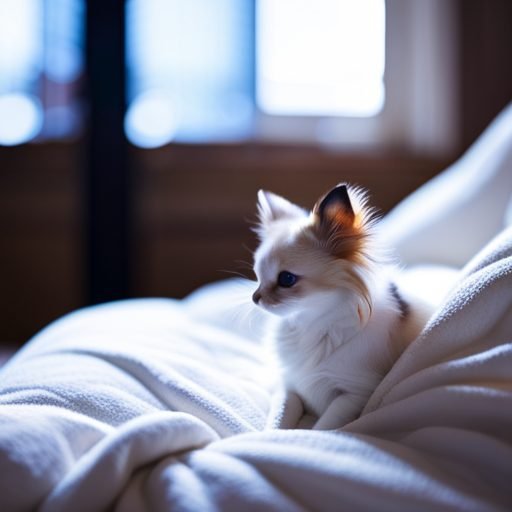
Are you a proud owner of a Papillon? Curious about the truth behind their shedding? Look no further!
In this article, we will debunk the shedding myth and provide you with essential knowledge about the shedding patterns and coat types of Papillons.
Discover the factors that influence shedding and learn valuable tips to minimize it in your home.
Plus, we'll share grooming techniques to keep your Papillon's coat healthy and shedding under control.
Get ready to be an expert on Papillon shedding!
Shedding Myth: Papillons Are Hypoallergenic
You'll be surprised to learn that Papillons aren't actually hypoallergenic – they can shed a significant amount of fur. Despite the common misconceptions about Papillon shedding, it's important to debunk the hypoallergenic claims associated with this breed.
While it's true that Papillons have a single-layered coat, which reduces the amount of hair they shed, they aren't completely hypoallergenic. Papillons have a fine, silky coat that requires regular grooming to prevent matting and tangles. This grooming process helps to remove loose hair and minimize shedding. However, Papillons still shed, and their fur can cause allergies in sensitive individuals. The shedding is more noticeable during the spring and fall seasons when they experience heavier coat blowing.
To manage Papillon shedding, regular brushing is essential. Brushing not only helps to remove loose hair but also stimulates the skin, promoting healthy hair growth. Additionally, a balanced diet rich in omega-3 fatty acids can improve the overall health of their coat and reduce excessive shedding.
While Papillons aren't hypoallergenic, their shedding can be managed with proper grooming and care. It's important to understand the reality of their shedding to make an informed decision before bringing a Papillon into your home, especially if you or someone in your family has allergies.
Understanding Papillon Coat Types and Shedding Patterns
To truly understand Papillon coat types and shedding patterns, it's important to observe their fur closely and learn about the different shedding seasons they go through. Papillons have a double coat, consisting of a long, silky outer coat and a dense, soft undercoat. This combination helps to protect them from the elements, but it also means that they shed regularly.
Papillons have two shedding seasons: spring and fall. During these times, they'll shed their undercoat to make way for a new one. This shedding can be quite heavy, and regular grooming is essential to manage it. To keep your Papillon's coat in top condition, you'll need some essential grooming tools. A slicker brush is great for removing loose hair and preventing tangles. A fine-toothed comb can be used to gently remove any remaining tangles and to check for any mats. Additionally, regular bathing with a mild dog shampoo can help to keep the coat clean and reduce shedding.
Factors That Influence Papillon Shedding
The diet and overall health of your Papillon can greatly influence their shedding patterns, so it's important to ensure they're receiving proper nutrition and regular vet check-ups. Genetics play a significant role in determining how much your Papillon will shed, but other factors such as seasonal changes also come into play.
Genetics play a vital role in a Papillon's shedding patterns. Some dogs are bred to have thicker coats, while others have lighter, less dense fur. This genetic predisposition can affect how much your Papillon sheds throughout the year. However, it's crucial to note that genetics alone don't determine shedding patterns.
Seasonal changes can also have an impact on your Papillon's shedding. During the spring and fall, many dogs, including Papillons, experience what's known as a ‘coat blow.' This is when they shed their winter coat to make way for a lighter summer coat or vice versa. This shedding process can be more pronounced during these seasonal transitions.
To help manage your Papillon's shedding, it's essential to provide them with a balanced diet that meets their nutritional needs. Regular vet check-ups can also help identify any underlying health issues that may be contributing to excessive shedding. By taking these steps, you can help keep your Papillon's shedding under control and ensure they've a healthy, shiny coat.
Tips for Minimizing Papillon Shedding in Your Home
By implementing these effective tips, you can significantly reduce Papillon shedding in your home and enjoy a cleaner living environment. Papillons are known for their beautiful long hair, but it can also lead to excessive shedding. Luckily, there are ways to manage Papillon shedding and natural remedies for reducing it.
One way to minimize shedding is by regularly brushing your Papillon's coat. Brushing helps to remove loose hairs and prevent them from ending up all over your home. Use a slicker brush or a comb with fine teeth to gently remove any tangles or mats.
Another tip is to give your Papillon a bath with a gentle, hypoallergenic shampoo. This can help to remove any loose hairs and keep their coat healthy.
In addition to grooming, a healthy diet can also help to reduce shedding. Ensure that your Papillon is getting a balanced diet with high-quality protein and omega-3 fatty acids. These nutrients promote a healthy coat and reduce shedding. Adding supplements like fish oil or flaxseed oil can also help to improve the condition of their skin and coat.
Lastly, consider using natural remedies such as coconut oil or apple cider vinegar. Coconut oil can be applied topically to moisturize the skin and reduce shedding. Apple cider vinegar, when diluted with water, can be used as a rinse after bathing to restore the pH balance of the skin and reduce shedding.
Grooming Techniques to Keep Your Papillon's Coat Healthy and Shedding Under Control
Regular brushing is essential for keeping your Papillon's coat healthy and shedding under control. As a Papillon owner, you understand the importance of maintaining your furry companion's beautiful coat. Regular brushing not only helps to remove loose hair, but it also stimulates the skin and promotes blood circulation, which is vital for your Papillon's overall coat health.
In addition to regular brushing, there are natural remedies that can help reduce Papillon shedding. One such remedy is adding omega-3 fatty acids to your dog's diet. These healthy fats can help improve the condition of your Papillon's skin and coat, reducing excessive shedding. You can find omega-3 supplements specifically formulated for dogs at your local pet store or consult your veterinarian for the appropriate dosage.
Another natural remedy is using a high-quality shampoo and conditioner formulated for shedding control. These products can help to nourish your Papillon's coat, prevent tangles, and reduce the amount of loose hair. Additionally, regular bathing can help to remove dead skin cells and promote a healthy coat.
Frequently Asked Questions
Are Papillons Suitable for People With Allergies?
Papillons are not considered hypoallergenic breeds, so they may not be suitable for people with allergies. However, there are ways to manage allergies with papillons, such as regular grooming and keeping a clean living environment.
How Often Should I Groom My Papillon to Keep Shedding Under Control?
To keep shedding under control, groom your papillon regularly. Bathe them as needed and make sure to brush their coat frequently. Regular brushing can help reduce shedding and keep your pup's fur looking its best.
Can Diet Affect a Papillon's Shedding Patterns?
To minimize shedding in your Papillon through diet, focus on feeding high-quality foods rich in omega-3 fatty acids like fish and flaxseed. These can help maintain a healthy coat and reduce excessive shedding.
Do Papillons Shed More During Certain Seasons?
Yes, papillons do shed more during certain seasons. The shedding causes are influenced by changes in temperature and daylight. To minimize papillon shedding, regular grooming and a balanced diet can help.
Are There Any Medications or Supplements That Can Help Reduce Shedding in Papillons?
Yes, there are medications and supplements that can help reduce shedding in papillons. Some alternative remedies and natural solutions can also be effective. Discuss these options with your vet to find the best solution for your papillon.
Conclusion
So, now you know the truth about Papillon shedding. Despite popular belief, they aren't hypoallergenic and do shed. However, understanding their coat types and shedding patterns can help you manage it better.
Factors like season, health, and diet can influence shedding. To minimize shedding in your home, regular grooming and cleaning is essential. By following these tips, you can keep your Papillon's coat healthy and shedding under control.


