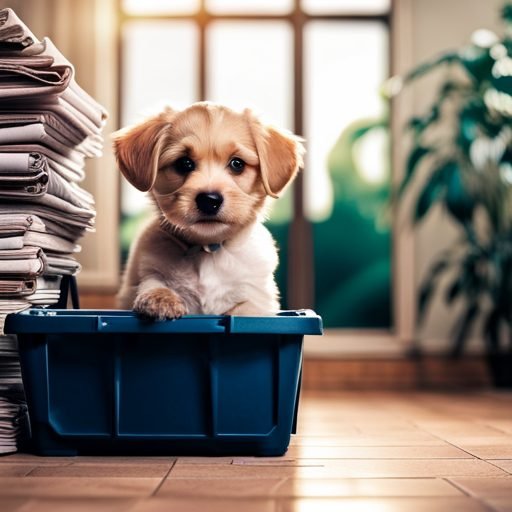
Are you struggling with housetraining your new furry friend? Look no further!
In this article, we'll guide you through choosing the perfect dog breed for easy housetraining. With factors like intelligence and adaptability in mind, we'll provide you with a comprehensive guide of the top dog breeds that excel in housetraining.
Get ready to say goodbye to accidents and hello to a well-trained pup!
Factors to Consider When Choosing a Dog Breed for Easy Housetraining
When choosing a dog breed for easy housetraining, you should consider factors such as size and temperament. Different breeds have different challenges when it comes to housetraining, so it's important to do your research before bringing a new dog home.
Some breeds may be more prone to accidents or may require more time and patience to learn proper bathroom etiquette. One common mistake to avoid in housetraining a new dog isn't being consistent with the training process. Dogs thrive on routine, so it's important to establish a consistent schedule for feeding, walking, and bathroom breaks.
Another mistake to avoid is punishing your dog for accidents. Punishment can create fear and anxiety, making housetraining even more difficult. Instead, focus on positive reinforcement by rewarding your dog with treats and praise when they go potty outside.
Additionally, it's important to be patient and understanding during the housetraining process. Some dogs may catch on quickly, while others may take longer to fully grasp the concept.
With the right breed, consistency, and positive reinforcement, housetraining can be a smooth and successful process.
Breeds Known for Their Intelligence and Trainability in Housetraining
Have you considered which breeds are known for their intelligence and trainability in housetraining? When it comes to easy housetraining, certain breeds stand out for their ability to learn quickly and adapt to new routines. If you're looking for a dog that doesn't shed much and is hypoallergenic, consider breeds like the Poodle, Bichon Frise, or Maltese. These breeds have hair instead of fur, which means they've minimal shedding and are less likely to trigger allergies.
For those living in apartments, small dog breeds are often the best choice. They're compact in size, making them suitable for apartment living, and are also easier to housetrain due to their smaller bladder capacity. Some small dog breeds known for their intelligence and trainability in housetraining include the Yorkshire Terrier, Shih Tzu, and Cavalier King Charles Spaniel. These breeds aren't only smart but also eager to please, making them quick learners when it comes to housetraining.
Adaptability: Key Trait in Finding a Dog Breed for Easy Housetraining
You should look for a dog breed with high adaptability for easy housetraining. When it comes to housetraining, some dog breeds may present more challenges than others. This is where adaptability becomes a key trait to consider. Dogs with high adaptability are more likely to adjust quickly to new environments and routines, making the housetraining process smoother and easier.
Certain dog breeds may face specific challenges in housetraining due to their natural instincts or characteristics. For example, breeds with a strong prey drive, such as terriers or hounds, may have a tendency to chase after small animals or scents, which can distract them from focusing on housetraining. Similarly, breeds known for their stubbornness or independence, like some terriers or sled dogs, may require more patience and persistence during the housetraining process.
On the other hand, dog breeds that are highly adaptable tend to be more flexible and open to learning new things. These breeds can quickly adapt to new routines and environments, which can greatly facilitate housetraining. Breeds like Labrador Retrievers, Golden Retrievers, and Poodles are often recommended for their high adaptability and trainability.
When choosing a dog breed for easy housetraining, it's important to consider their adaptability. By selecting a breed with high adaptability, you can set yourself up for a smoother and more successful housetraining experience.
Top Dog Breeds for Easy Housetraining: A Comprehensive Guide
If you're looking for a dog breed that's easily housetrained, this comprehensive guide will provide you with the top recommendations. When it comes to living in an apartment, it's important to choose a dog breed that's well-suited for smaller spaces. Some breeds are known to adapt better to apartment living, making them easier to housetrain.
One of the top dog breeds for apartment living and easy housetraining is the French Bulldog. These adorable and compact dogs are known for their intelligence and willingness to please their owners. Another great option is the Cavalier King Charles Spaniel, a friendly and gentle breed that's easy to train and doesn't require much exercise.
When it comes to housetraining stubborn breeds, it's important to be patient and consistent with your methods. Positive reinforcement is key in encouraging good behavior. Reward your dog with treats or praise when they go outside and avoid punishment when accidents happen indoors. Consistently take them outside after meals or naps to establish a routine.
Tips for Successful Housetraining With the Right Dog Breed
To ensure successful housetraining, be consistent in your approach and use positive reinforcement, such as treats or praise, when your dog goes outside, but avoid punishment when accidents happen indoors.
When it comes to housetraining in small living spaces, there are a few tips that can help make the process easier. First, establish a designated potty area for your dog, whether it's a specific spot outside or a designated pee pad indoors. This will help them understand where they should go.
Additionally, establish a consistent schedule for feeding and potty breaks, as this will help regulate their bathroom habits. For stubborn dog breeds, it's important to use specific potty training techniques. For example, consider crate training, where you confine your dog to a crate when you can't supervise them. This helps prevent accidents and teaches them to hold their bladder.
Frequently Asked Questions
What Are Some Common Mistakes That Dog Owners Make During the Housetraining Process?
During housetraining, common mistakes include inconsistent schedules, not supervising closely enough, and punishing accidents. To successfully housetrain, establish a routine, reward good behavior, and be patient and consistent with positive reinforcement.
How Long Does It Typically Take to Housetrain a Dog?
It typically takes a few weeks to housetrain a dog. To set up a housetraining schedule, take your dog outside at regular intervals and reward them for going potty outside. Accidents will happen, so be patient and clean up accidents promptly.
Are There Any Specific Breeds That Are More Prone to Accidents or Difficulties in Housetraining?
Some specific breeds may be more prone to accidents or difficulties in housetraining. It's important to consider these potential challenges when deciding on a breed for easy housetraining.
What Are Some Signs That Indicate a Dog Is Ready to Be Housetrained?
When your dog is ready to be housetrained, they may show signs like sniffing around, circling, or scratching at the door. Common mistakes in housetraining include not being consistent and not rewarding good behavior.
Are There Any Training Methods or Techniques That Are Particularly Effective for Housetraining?
To effectively housetrain your dog, consistency is key. Use proven training methods like positive reinforcement and crate training. Remember, every dog is different, so be patient and adapt your approach as needed.
Conclusion
Choosing the right dog breed for easy housetraining is important for a successful and stress-free experience. Factors such as intelligence, trainability, and adaptability play a crucial role in determining the ease of housetraining a dog.
By selecting a breed that excels in these areas, you can set yourself up for success. Remember to also follow tips and techniques for successful housetraining to ensure a smooth process with your new furry friend.