Are you looking for the perfect blend of strength and gentleness in a furry companion? Look no further than the Bullmastiff and Great Dane mix! This unique breed offers you the best of both worlds.
With their powerful build and calm demeanor, these dogs make excellent family pets.
In this guide, we will explore their history, appearance, temperament, training needs, and more.
Get ready to meet your new four-legged friend!
Breed History and Origins
Do you know the article that explains the breed history and origins of the Bullmastiff and Great Dane mix? Well, let me tell you about it!
The Bullmastiff breed has a rich historical significance. They were originally bred in England in the 19th century to protect gamekeepers from poachers. With their strong and powerful physique, they were the perfect guard dogs.
On the other hand, the Great Dane breed has its origins in Germany. They were developed by crossing English Mastiffs with Irish Wolfhounds. The breed was initially used for hunting wild boar, but later evolved into a gentle and friendly companion.
When you mix these two breeds together, you get a fascinating combination of traits. The Bullmastiff and Great Dane mix breed inherits the protective nature of the Bullmastiff and the friendly temperament of the Great Dane. They're known to be loyal, affectionate, and great with children. With their impressive size and strength, they make excellent guard dogs as well.
Physical Appearance and Size
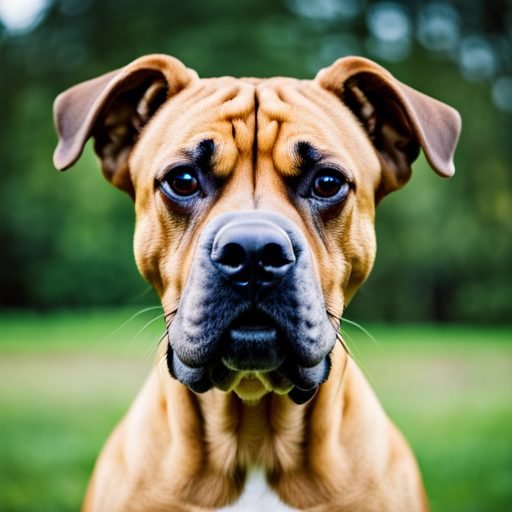
You can expect a Bullmastiff and Great Dane mix to have a massive physical appearance and be the size of a small pony. This unique breed combines the muscular build of the Bullmastiff with the towering height of the Great Dane. Their strong and sturdy frame is complemented by a broad chest, powerful legs, and a large head. With an average weight ranging from 120 to 200 pounds, these gentle giants can reach heights of up to 30 inches at the shoulder.
When it comes to breed characteristics, the Bullmastiff and Great Dane mix inherits traits from both parents. They're known for their protective nature, making them excellent guard dogs. Despite their imposing size, they're typically gentle and affectionate towards their family members. This breed thrives on human companionship and is often eager to please.
In terms of growth stages, it's important to note that these dogs experience rapid growth during their first year. Proper nutrition and controlled exercise are essential to support their bone and muscle development. Regular vet check-ups and early socialization are also crucial for their overall well-being.
Temperament and Personality Traits
There are two main temperament and personality traits that make the Bullmastiff and Great Dane mix a unique and lovable breed. One of these traits is their exceptional aggression management skills. Despite their large size, these dogs are known for their calm and gentle nature. They've a natural instinct to protect their family and home, but they aren't prone to unnecessary aggression. This makes them excellent companions and family pets.
Another important trait of the Bullmastiff and Great Dane mix is their tendency to experience separation anxiety. These dogs form strong bonds with their owners and can become distressed when left alone for long periods of time. It's important to provide them with plenty of mental and physical stimulation to prevent the development of separation anxiety.
To manage their separation anxiety, it's recommended to gradually increase the time spent away from them, starting with short intervals and gradually extending the duration. Providing them with interactive toys and treats can also help keep them occupied and distracted during your absence.
Overall, the Bullmastiff and Great Dane mix is a unique and lovable breed with exceptional aggression management skills and a tendency to experience separation anxiety. With proper training, socialization, and attention, they can make wonderful companions for individuals and families alike.
Training and Socialization Needs
To ensure your Bullmastiff and Great Dane mix develops into a well-rounded and obedient companion, early socialization is crucial. Expose your pup to different people, animals, and environments from a young age to prevent any potential behavioral issues later on.
Alongside socialization, consistent training is essential to establish boundaries, reinforce good behavior, and prevent any potential dominance struggles as your dog grows.
Early Socialization Is Crucial
If you want your Bullmastiff and Great Dane mix to be well-behaved and sociable, it's crucial that you start their socialization early. Socializing with other dogs is an important aspect of their development, as it helps them learn appropriate behavior and how to interact with different breeds.
Positive reinforcement training is highly recommended during this process. By using rewards and praise, you can reinforce good behavior and encourage your pup to repeat it.
When introducing your dog to new dogs, start with controlled environments and gradually increase the level of exposure. This will help them build confidence and reduce the risk of negative experiences.
Consistent Training Is Essential
You need to be consistent in training your Bullmastiff and Great Dane mix to ensure their proper socialization and overall development.
Consistency is key when it comes to shaping your dog's behavior and teaching them the necessary skills.
One important aspect of training is the use of positive reinforcement. This technique involves rewarding your dog for good behavior, which helps to reinforce those behaviors and encourages them to repeat them. Positive reinforcement can be in the form of treats, praise, or playtime.
Another useful training technique is crate training. This involves using a crate as a safe and comfortable space for your dog. It helps with house training, as dogs naturally avoid soiling their sleeping area.
Health and Exercise Requirements
Make sure to regularly exercise your Bullmastiff and Great Dane mix breed to maintain their health and well-being. These gentle giants require a consistent and structured exercise routine to keep them happy and healthy. Due to their large size, they've a high energy level and need plenty of physical activity to burn off excess energy. A daily walk or jog, along with some playtime in a securely fenced yard, is essential for keeping them fit and preventing obesity.
In addition to exercise, it's important to be aware of the common health issues that can affect Bullmastiff and Great Dane mixes. These include hip dysplasia, bloat, and heart conditions. Regular exercise can help to strengthen their muscles and joints, reducing the risk of hip dysplasia and other orthopedic problems. However, it's important to avoid excessive exercise, especially during puppyhood, as this can put unnecessary strain on their developing bodies.
To prevent bloat, which is a life-threatening condition that affects deep-chested breeds like Bullmastiffs and Great Danes, it's recommended to feed them smaller, frequent meals and avoid vigorous exercise immediately after eating. Regular exercise can also help to keep their hearts healthy and reduce the risk of cardiovascular issues.
Grooming and Care Tips
Taking care of your Bullmastiff and Great Dane mix involves regular grooming to keep their coat looking its best. You'll want to brush their coat at least once a week to minimize shedding and prevent matting.
Additionally, make sure to trim their nails regularly and clean their ears to avoid any potential infections.
Coat Maintenance Tips
Brushing your dog's coat regularly can help prevent matting and keep their fur healthy and shiny.
When it comes to coat maintenance, shedding and brushing techniques are important topics to consider. Coat shedding is a natural process for dogs, and regular brushing can help minimize the amount of loose hair in your home. By using the right brushing techniques, you can effectively remove loose hair and prevent it from getting tangled or forming mats.
Start by choosing the appropriate brush for your dog's coat type. For dogs with short coats, a soft-bristle brush or a grooming mitt can be used. For dogs with longer coats, a slicker brush or a wide-toothed comb may be more suitable.
Remember to be gentle and patient while brushing, and always reward your dog with treats and praise for their cooperation.
Nail Trimming Techniques
Are you struggling with finding the right tools for effectively trimming your dog's nails without causing discomfort or injury? When it comes to nail trimming, there are two popular techniques: nail grinding and nail clipping.
Nail grinding involves using an electric tool to slowly file down the dog's nails, while nail clipping requires using a specialized clipper to cut the nails. Both methods have their pros and cons, so it's important to choose the one that works best for you and your furry friend.
When comparing nail trimming tools, consider factors such as ease of use, safety features, and the size of the tool for your dog's nails. It's essential to find a tool that's comfortable for both you and your pet, ensuring a stress-free nail trimming experience.
Ear Cleaning Methods
Have you tried using cotton swabs or ear wipes to clean your dog's ears, but they just aren't doing the trick? If so, you might want to consider trying different ear cleaning products.
Dogs' ears are prone to wax buildup and infections, so regular cleaning is essential. However, the frequency of ear cleaning depends on your dog's breed and individual needs. Some dogs may require weekly cleanings, while others may only need them once a month.
When choosing an ear cleaning product, look for one that's specifically formulated for dogs and is gentle yet effective. Avoid using alcohol-based solutions, as they can be harsh and irritating to your dog's ears.
Remember to always consult with your veterinarian for guidance on the best ear cleaning methods and products for your furry friend.
Frequently Asked Questions
Can a Bullmastiff and Great Dane Mix Be Aggressive Towards Other Dogs or Animals?
Yes, a Bullmastiff and Great Dane mix can be aggressive towards other dogs or animals. It's important to provide proper socialization and training to prevent any aggressive behavior. Regular exercise is also crucial to keep them mentally and physically stimulated.
How Much Exercise Does a Bullmastiff and Great Dane Mix Need on a Daily Basis?
You need to know how much exercise your Bullmastiff and Great Dane mix needs on a daily basis. They have high exercise requirements and may present training challenges due to their size and energy levels.
Are Bullmastiff and Great Dane Mixes Prone to Any Specific Health Issues?
Bullmastiff and Great Dane mixes can be prone to specific health issues like hip dysplasia and bloat. It's important to be aware of these potential problems. Aggression issues can also be common in these mixes, so proper training and socialization are crucial.
What Is the Average Lifespan of a Bullmastiff and Great Dane Mix?
The average lifespan of a Bullmastiff and Great Dane mix is around 8 to 10 years. It's important to focus on temperament and socialization to help your dog live a happy and healthy life.
Are There Any Specific Grooming Techniques or Tips for Maintaining the Coat of a Bullmastiff and Great Dane Mix?
To maintain the coat of your Bullmastiff and Great Dane mix, use specific grooming techniques. Regular brushing, bathing, and trimming will help keep their coat healthy and free of tangles.
Conclusion
In conclusion, the Bullmastiff and Great Dane mix breed offers the best of both worlds. With its impressive size and strength from the Bullmastiff and the elegance and grace of the Great Dane, this breed is a remarkable companion.
Their loyal and friendly nature, coupled with their intelligence, make them easily trainable and adaptable to various environments. However, it's important to note that proper training, socialization, and healthcare are crucial for ensuring the well-being of this unique and wonderful breed.