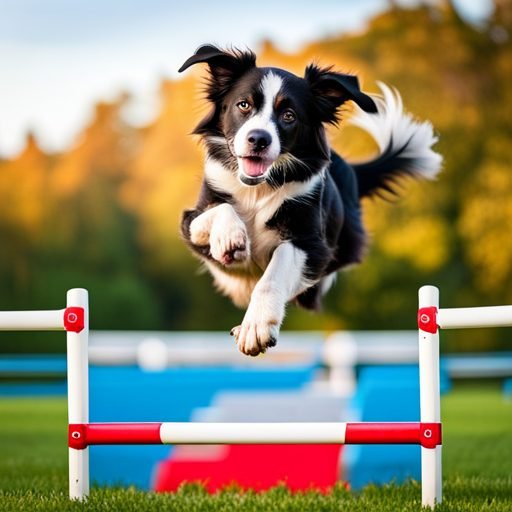
Are you struggling to train your border collie spaniel mix puppy? Don't worry, we've got you covered!
In this article, we will share the best training tips to help you effectively train your furry friend.
From crate training to positive reinforcement, leash training to socialization, and basic obedience commands to potty training, we will guide you step by step.
Get ready to embark on a successful training journey with your adorable border collie spaniel mix puppy!
Crate Training
You can start crate training your Border Collie Spaniel mix puppy by gradually introducing them to the crate using positive reinforcement techniques.
Crate training offers numerous benefits for both you and your furry friend. It provides a safe and secure space for your puppy, helps with potty training, and prevents destructive behavior when you're not around.
To begin crate training, make sure the crate is comfortable and inviting. Place soft bedding, toys, and treats inside to create a positive association. Start by leaving the crate door open and let your puppy explore at their own pace.
Encourage them to enter the crate willingly by using treats or their favorite toys. Once they're comfortable going in and out, you can start closing the crate door for short periods. Gradually increase the length of time your puppy spends in the crate, always rewarding them with treats and praise for good behavior.
Remember to never use the crate as a form of punishment and always make it a positive experience for your puppy. With consistent training and patience, crate training can become a beneficial and enjoyable routine for your Border Collie Spaniel mix puppy.
Positive Reinforcement
Positive reinforcement is a powerful tool for training your Border Collie Spaniel mix puppy. By rewarding good behavior with treats, praise, or playtime, you can motivate your puppy to repeat those behaviors.
Consistency is key in positive reinforcement, as it helps your puppy understand what's expected of them. This training method also helps build a strong bond and trust between you and your furry friend.
Rewards for Good Behavior
Don't forget to incorporate treats into your training routine as a reward for good behavior. When it comes to training your Border Collie Spaniel mix puppy, using rewards is essential.
One effective method that many trainers swear by is clicker training. This technique involves using a clicker to mark the exact moment your puppy does something right, followed by a treat as a reward. The clicker acts as a signal that tells your puppy they've done something correctly, and the treat reinforces that positive behavior.
Clicker rewards can be a powerful tool in shaping your puppy's behavior and teaching them new commands. Remember to be consistent with the timing of the click and the delivery of the treat, and soon your puppy will associate the clicker with good behavior and eagerly respond to your commands.
Consistency in Training
Make sure to consistently reinforce positive behavior during training sessions with your Border Collie Spaniel mix puppy. This is crucial in building trust and establishing routines.
By consistently rewarding your puppy for good behavior, you're reinforcing the positive actions you want to see repeated. Use treats, praise, and playtime as rewards to let your puppy know they're doing the right thing.
Consistency is key, as it helps your puppy understand what's expected of them. Establishing a routine for training sessions will also help your puppy feel secure and confident. Set a regular schedule and stick to it, so your puppy knows when to expect training time.
This will create a sense of structure and reliability, further strengthening the bond between you and your pup.
Building Strong Connections
You can strengthen your bond with your Border Collie Spaniel mix puppy by consistently rewarding them for their good behavior during training sessions. Bonding activities are essential for creating a strong connection with your furry friend.
Take the time to engage in activities that both of you enjoy, such as going for long walks, playing fetch, or even cuddling on the couch. These shared experiences won't only enhance your relationship but also provide mental and physical stimulation for your puppy.
Additionally, communication techniques play a crucial role in building trust and understanding. Use positive reinforcement and clear commands to effectively communicate your expectations. Remember to be patient and consistent in your training methods.
Leash Training
Keep practicing leash training to improve your puppy's obedience and self-control. Teaching recall and handling distractions are essential aspects of leash training that will help your puppy become a well-behaved and well-adjusted dog.
When teaching recall, start in a quiet and familiar environment. Use a long leash and call your puppy's name in a happy and enthusiastic tone. When they come to you, reward them with praise and treats. Gradually increase the distance and add distractions, such as toys or other people, to make the training more challenging. Remember to always reward your puppy for coming to you, even if it takes them a while.
Handling distractions is crucial for leash training. Start by introducing your puppy to mild distractions, like other dogs from a distance. Gradually decrease the distance and increase the level of distraction. Use positive reinforcement to reward your puppy for staying focused on you amidst distractions. It's important to be patient and consistent during this process.
Leash training takes time and effort, but with consistent practice, your puppy will learn to walk obediently by your side. Remember to use positive reinforcement, such as treats and praise, to reward good behavior. Keep practicing and be patient, and soon your puppy will become a well-behaved companion on walks.
Socialization
Don't forget to introduce your puppy to various people and animals to ensure proper socialization. It's important for your Border Collie Spaniel mix puppy to feel comfortable and confident in different environments and around other dogs. Socialization plays a crucial role in shaping your puppy's behavior and temperament as they grow up.
To start, introduce your puppy to new environments gradually. Take them to different places such as parks, pet-friendly stores, and busy streets. This will expose them to various sights, sounds, and smells, helping them become more adaptable and less fearful in different situations.
When it comes to socializing with other dogs, it's essential to do it properly. Start by arranging controlled playdates with friendly, vaccinated dogs. Observe their interactions closely, ensuring that they're both comfortable and respectful with each other. Encourage positive behavior and intervene if any signs of aggression or discomfort arise.
In addition to dogs, expose your puppy to different people, including children, adults, and individuals wearing different clothing or accessories. This will help them become more comfortable and well-adjusted in different social situations.
Basic Obedience Commands
To train your Border Collie Spaniel mix puppy in basic obedience commands, start with essential techniques such as sit, stay, and come.
Use positive reinforcement and consistency to reinforce these commands, rewarding your puppy with treats and praise when they follow through.
If you encounter any challenges along the way, troubleshooting common issues like distractions or lack of focus will help you overcome them and continue building a strong foundation of obedience.
Essential Command Techniques
You'll quickly see the benefits of using essential command techniques in your puppy's training.
One important aspect to consider is crate training. By introducing your puppy to a crate early on, you can create a safe and comfortable space for them. This can help with house training and prevent destructive behavior when you're unable to supervise them.
Remember to use positive reinforcement during crate training, rewarding your puppy when they enter the crate willingly and stay calm inside.
Additionally, positive reinforcement is a powerful tool in teaching essential commands. Using treats, praise, and affection, you can motivate your puppy to respond to commands such as sit, stay, and come.
This not only strengthens the bond between you and your puppy but also makes the training experience more enjoyable for both of you.
Reinforcement and Consistency
If you consistently reinforce basic obedience commands with positive reinforcement, your puppy will quickly learn and respond to them.
It's important to remember that puppies have short attention spans, so repeating commands is key.
Be patient and consistent in your training approach.
Use treats, praise, and rewards to reinforce desired behaviors.
Avoid punishment, as it can create fear and hinder the learning process.
Instead, focus on positive reinforcement to encourage your puppy to make the right choices.
Consistency is crucial in training, so make sure to use the same commands and signals every time.
Practice in different environments to help your puppy generalize their training and respond to commands in various situations.
With time, patience, and positive reinforcement, your puppy will become a well-behaved and obedient companion.
Troubleshooting Common Challenges
Have you tried using different hand gestures to troubleshoot common challenges with basic obedience commands?
When it comes to training your dog, hand gestures can be a powerful tool. Not only do they provide clear visual cues, but they can also help address specific issues like separation anxiety and excessive barking.
For example, if your dog tends to bark excessively when you leave the house, you can try using a hand gesture that signals calmness and reassurance. By consistently using this gesture before you leave, you can help alleviate your dog's anxiety and reduce their barking.
Similarly, for separation anxiety, you can use a hand gesture that represents your imminent return, helping your dog feel more secure and less anxious while you're away.
Potty Training
Remember to consistently reinforce your puppy's potty training to ensure success. Toilet training is an essential part of housebreaking techniques for your new furry friend. When it comes to potty training, consistency is key.
Establish a routine and take your puppy outside regularly, especially after meals and naps. Use positive reinforcement, such as treats or praise, to reward your puppy for going potty in the designated area. This will help them associate the act with positive experiences.
It's important to be patient during the potty training process. Accidents will happen, but remember not to punish your puppy. Instead, clean up the mess without making a fuss and continue with the training. Consistency and positive reinforcement will help your puppy understand where they should be doing their business.
In addition to consistency, another important aspect of potty training is supervision. Keep an eye on your puppy at all times, especially when they aren't confined to a specific area. This will allow you to catch any signs that they need to go potty and take them outside promptly.
Frequently Asked Questions
How Long Does It Typically Take to Crate Train a Border Collie Spaniel Mix Puppy?
It typically takes a few weeks to crate train a Border Collie Spaniel mix puppy. Consistency and positive reinforcement are effective crate training methods.
Can I Use Treats as Positive Reinforcement During Training?
Yes, you can use treats as positive reinforcement during training. It's a common and effective method. However, you can also consider using clicker training for positive reinforcement or alternative methods like praise and play.
At What Age Should I Start Leash Training My Border Collie Spaniel Mix Puppy?
When is the right time to start leash training your border collie spaniel mix puppy? It's best to begin around 8-10 weeks old, gradually introducing them to the leash and making it a positive experience with treats and praise.
How Can I Help My Puppy Become More Comfortable With Socializing With Other Dogs?
To help your puppy become more comfortable with socializing, start by introducing them to new environments gradually. Reduce anxiety by using positive reinforcement and rewards. Slowly introduce them to other dogs, using supervised and controlled interactions.
What Are Some Advanced Obedience Commands That I Can Teach My Border Collie Spaniel Mix Puppy?
To teach your border collie spaniel mix puppy advanced obedience commands, start with effective methods for teaching recall. Once mastered, move on to tricks using tips specifically tailored for this breed mix.
Conclusion
In conclusion, training a border collie spaniel mix puppy requires consistency, patience, and positive reinforcement. By utilizing crate training, positive reinforcement, leash training, socialization, basic obedience commands, and potty training, you can set your puppy up for success.
Remember to be patient and understanding, as each puppy may have different learning speeds and preferences. With time and dedication, your border collie spaniel mix puppy will grow into a well-behaved and happy companion.