Introduction
Understanding the aging process in Rhodesian Ridgebacks
As Rhodesian Ridgebacks age, it is important for owners to understand the changes that occur in their beloved pets. Just like humans, Ridgebacks experience a gradual decline in their physical and cognitive abilities as they get older. They may develop arthritis, vision and hearing problems, and become less active. It is crucial for owners to provide proper care and support to ensure their aging Ridgeback's quality of life. Regular visits to the veterinarian, a balanced diet, and regular exercise can help manage these age-related issues. Additionally, owners should create a comfortable and safe environment for their aging Ridgeback, with soft bedding and easy access to food and water. By understanding and addressing the aging process, owners can help their Rhodesian Ridgebacks live happy and healthy lives in their senior years.
The importance of proper care for aging dogs
Proper care for aging dogs is of utmost importance to ensure their health and well-being. As dogs age, they may experience a variety of health issues and require extra attention and care. Regular veterinary check-ups are essential to monitor their overall health and catch any potential problems early on. Additionally, a balanced diet tailored to their specific needs can help maintain their weight and provide the necessary nutrients for optimal health. Daily exercise is also crucial to keep their muscles strong and prevent obesity. Furthermore, providing a comfortable and safe environment, including a cozy bed and easy access to water and food, is vital for their comfort. Finally, showering them with love, attention, and affection can greatly improve their quality of life as they navigate the challenges of aging.
Common health issues in aging Rhodesian Ridgebacks
As Rhodesian Ridgebacks age, they may be prone to several common health issues. One of the most prevalent issues is hip dysplasia, a condition where the hip joints do not develop properly, leading to pain and difficulty in movement. Another common health issue is degenerative myelopathy, a progressive disease that affects the spinal cord and causes weakness and loss of coordination in the hind limbs. Additionally, Rhodesian Ridgebacks may develop arthritis, a condition characterized by inflammation and stiffness in the joints. It is important for owners to be aware of these health issues and to provide their aging Rhodesian Ridgebacks with proper care and veterinary attention to ensure their well-being.
Nutrition and Diet
Choosing the right food for your aging Rhodesian Ridgeback
Choosing the right food for your aging Rhodesian Ridgeback is crucial to ensuring their health and well-being. As dogs age, their nutritional needs change, and it's important to provide them with a diet that supports their aging bodies. Look for dog foods that are specifically formulated for senior dogs, as these will typically have lower calorie content and higher levels of nutrients that are beneficial for older dogs. Additionally, consider the specific needs of your Rhodesian Ridgeback, such as any allergies or sensitivities they may have, and choose a food that meets those requirements. It's also a good idea to consult with your veterinarian to get personalized recommendations for your aging Rhodesian Ridgeback's diet. By choosing the right food, you can help your Rhodesian Ridgeback stay healthy and happy as they age.
Managing weight and portion control
As Rhodesian Ridgebacks age, it becomes crucial to manage their weight and portion control. Obesity can lead to various health issues such as joint problems and heart disease. To ensure your aging Rhodesian Ridgeback maintains a healthy weight, it is important to monitor their food intake and provide them with a balanced diet. Consult with your veterinarian to determine the appropriate portion size and type of food for your dog. Additionally, regular exercise is essential to keep your Rhodesian Ridgeback active and maintain their muscle tone. Remember to avoid overfeeding or giving too many treats, as this can contribute to weight gain. By managing weight and portion control, you can help your aging Rhodesian Ridgeback live a long and healthy life.
Supplements for joint health and mobility
Supplements for joint health and mobility play a crucial role in ensuring the well-being of aging Rhodesian Ridgebacks. As dogs age, they may experience joint stiffness and decreased mobility, making it essential to provide them with the necessary support. Glucosamine and chondroitin are popular supplements that help maintain healthy joint cartilage and reduce inflammation. Omega-3 fatty acids, such as fish oil, can also aid in reducing joint inflammation and promoting overall joint health. Additionally, antioxidants like vitamin C and E can help protect the joints from damage caused by free radicals. It is important to consult with a veterinarian before starting any supplements to ensure they are appropriate for your Rhodesian Ridgeback's specific needs.
Exercise and Physical Activity
Adapting exercise routines for senior Rhodesian Ridgebacks
As Rhodesian Ridgebacks age, their exercise needs change. It is important to adapt their exercise routines to accommodate their aging bodies. While they may have been able to handle long runs and intense play sessions in their younger years, senior Rhodesian Ridgebacks may require shorter, more gentle exercise options. This could include leisurely walks, swimming, or low-impact activities like gentle fetch or puzzle toys. It is crucial to monitor their energy levels and any signs of discomfort during exercise to ensure they are not overexerting themselves. By adjusting their exercise routines, you can help keep your senior Rhodesian Ridgeback happy, healthy, and active.
Low-impact activities for joint health
As Rhodesian Ridgebacks age, it's important to provide them with low-impact activities that promote joint health. These activities help to maintain their mobility and prevent joint pain. One such activity is swimming, which is gentle on the joints while providing a great cardiovascular workout. Another low-impact activity is walking on soft surfaces such as grass or sand, which helps to cushion the joints and reduce the risk of injury. Additionally, stretching exercises can help to improve flexibility and reduce stiffness in the joints. By incorporating these low-impact activities into your Rhodesian Ridgeback's routine, you can help to ensure their joint health as they age.
Mental stimulation and enrichment
Mental stimulation and enrichment play a crucial role in the overall well-being of your aging Rhodesian Ridgeback. As dogs age, they may experience cognitive decline and a decrease in their ability to engage in physical activities. To keep your furry friend mentally sharp and happy, it is important to provide them with regular mental stimulation. One way to achieve this is by engaging in dog-friendly outdoor adventures. These adventures not only provide physical exercise but also stimulate your dog's senses and keep their mind active. Whether it's going for a hike in the woods, exploring new trails, or playing interactive games, dog-friendly outdoor adventures offer a variety of opportunities for your aging Rhodesian Ridgeback to stay mentally stimulated. Additionally, incorporating puzzle toys, interactive feeding devices, and training sessions into their daily routine can further enhance their cognitive abilities and keep their minds sharp. By prioritizing mental enrichment and engaging in dog-friendly outdoor activities, you can ensure that your aging Rhodesian Ridgeback leads a fulfilling and mentally stimulating life.
Grooming and Hygiene
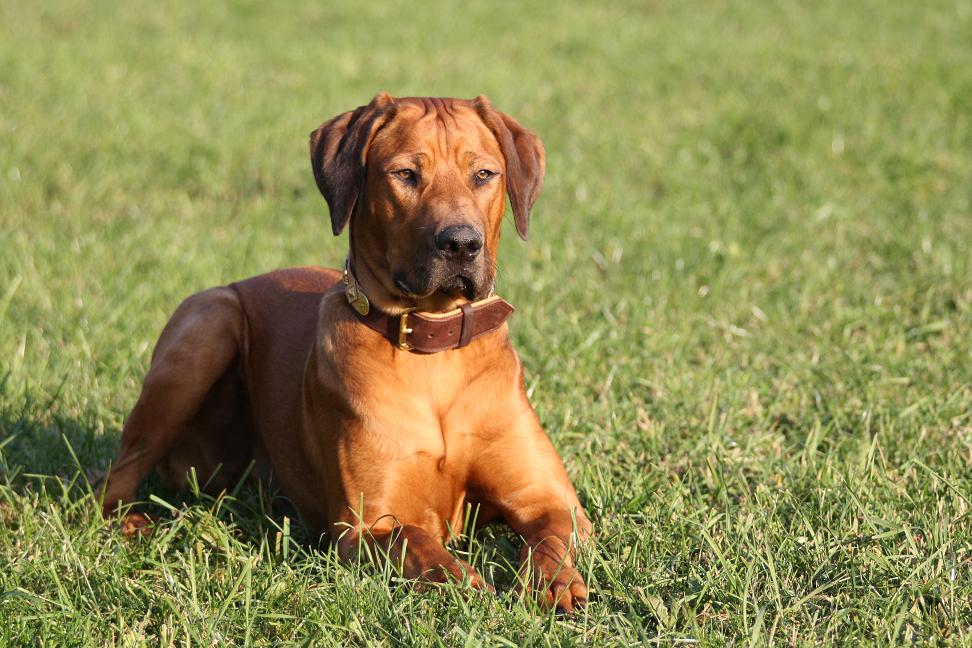
Maintaining a clean and healthy coat
To maintain a clean and healthy coat for your aging Rhodesian Ridgeback, regular grooming is essential. Brushing their coat at least once a week helps remove loose hair and prevents matting. Additionally, it stimulates the skin and promotes blood circulation, which is beneficial for their overall health. Pay extra attention to their ears, as they are prone to ear infections. Clean their ears regularly with a veterinarian-recommended solution. Bathing your Rhodesian Ridgeback every few months is also important to keep their coat clean and free from dirt and odors. Use a gentle dog shampoo and ensure thorough rinsing to prevent skin irritation. Lastly, remember to trim their nails regularly to prevent overgrowth and discomfort. If you are unsure about grooming techniques or need assistance, consult a professional dog groomer or your veterinarian.
Brushing and grooming techniques for older dogs
As Rhodesian Ridgebacks age, it becomes increasingly important to pay attention to their grooming needs. Brushing and grooming techniques for older dogs should be adapted to their specific needs and limitations. Regular brushing helps to remove loose hair and prevent matting, which can be uncomfortable for aging dogs. It also promotes healthy skin and coat, and can help to distribute natural oils throughout the fur. When brushing an older Rhodesian Ridgeback, it is important to be gentle and patient, as their skin may be more sensitive and their joints may be stiff. Using a soft-bristle brush or a grooming mitt can be more comfortable for them. Pay special attention to areas prone to matting, such as behind the ears, under the belly, and around the tail. Regular grooming sessions also provide an opportunity to check for any lumps, bumps, or skin irritations that may require veterinary attention. Overall, regular brushing and grooming is an essential part of caring for an aging Rhodesian Ridgeback and ensuring their comfort and well-being.
Dental care and oral hygiene
Proper dental care and oral hygiene are crucial aspects of caring for your aging Rhodesian Ridgeback. As your dog gets older, their teeth may become more susceptible to dental issues such as tartar buildup, gum disease, and tooth decay. It is important to establish a regular dental care routine to prevent these problems and maintain your dog's overall health. Brushing your dog's teeth regularly with a dog-specific toothbrush and toothpaste can help remove plaque and prevent the formation of tartar. Additionally, providing your dog with dental chews or toys designed to promote oral hygiene can help keep their teeth clean and healthy. Regular dental check-ups with your veterinarian are also essential to identify and address any dental issues early on. By prioritizing dental care and oral hygiene, you can ensure that your aging Rhodesian Ridgeback maintains a healthy and pain-free mouth.
Veterinary Care
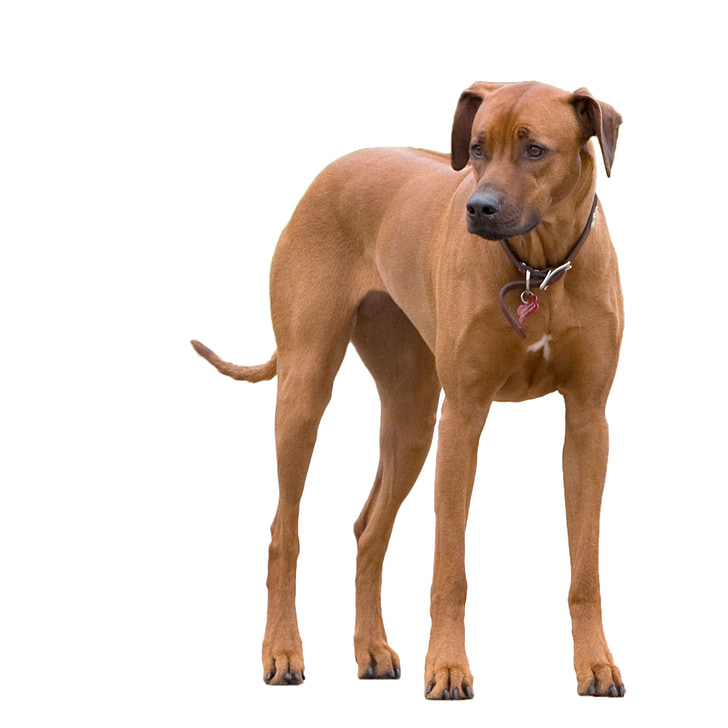
Regular check-ups and preventive care
Regular check-ups and preventive care are essential for maintaining the health and well-being of your aging Rhodesian Ridgeback. As your dog gets older, their immune system may become weaker, making them more susceptible to illnesses and diseases. By scheduling regular check-ups with your veterinarian, you can catch any potential health issues early and ensure that your dog receives the necessary vaccinations and treatments. Additionally, preventive care measures such as flea and tick prevention, dental cleanings, and regular exercise can help keep your aging Rhodesian Ridgeback in optimal health. It is important to discuss with your veterinarian a suitable preventive care plan tailored to your dog's specific needs and age. Remember, providing regular check-ups and preventive care is an important part of ensuring a happy and healthy life for your aging Rhodesian Ridgeback.
Managing chronic conditions and medications
Managing chronic conditions and medications is a crucial aspect of caring for your aging Rhodesian Ridgeback. As dogs age, they may develop various health issues that require ongoing management. It is important to work closely with your veterinarian to create a comprehensive care plan for your pet. This may include regular check-ups, prescribed medications, and dietary adjustments. Some common chronic conditions in older Rhodesian Ridgebacks include arthritis, heart disease, and kidney problems. These conditions can affect your dog's quality of life and require careful monitoring and treatment. Additionally, it is essential to follow your veterinarian's instructions regarding medication administration and dosage. Proper management of chronic conditions and medications can help improve your Rhodesian Ridgeback's overall well-being and ensure a comfortable and happy life in their golden years.
Recognizing signs of pain or discomfort
Recognizing signs of pain or discomfort in your aging Rhodesian Ridgeback is crucial for providing them with the care they need. As dogs age, they may experience various physical and cognitive changes that can cause discomfort or pain. It is important to pay attention to their behavior and body language to identify any signs of distress. Some common signs of pain or discomfort in aging Rhodesian Ridgebacks include limping, difficulty getting up or lying down, decreased appetite, changes in bathroom habits, excessive panting, restlessness, and aggression. If you notice any of these signs, it is advisable to consult with your veterinarian to determine the cause and appropriate treatment options. By recognizing and addressing signs of pain or discomfort early on, you can help improve your aging Rhodesian Ridgeback's quality of life and ensure they receive the care they deserve.
Emotional Well-being
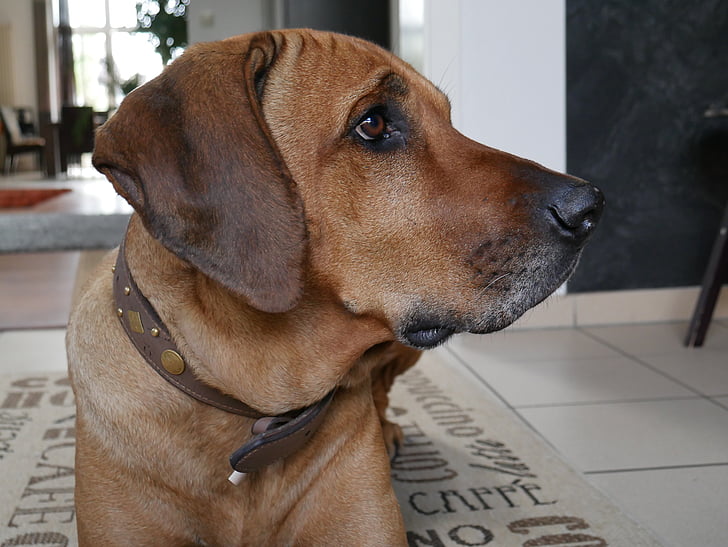
Providing a comfortable and safe environment
As your Rhodesian Ridgeback ages, it becomes increasingly important to provide them with a comfortable and safe environment. This includes ensuring that their living space is free from hazards such as sharp objects or slippery surfaces that could cause injury. Additionally, providing a soft and supportive bed will help alleviate any joint pain or discomfort they may experience. It is also important to maintain a consistent temperature in their environment, as extreme heat or cold can be detrimental to their health. Finally, creating a calm and quiet space for your aging Rhodesian Ridgeback will help reduce stress and anxiety, allowing them to relax and rest more easily.
Managing separation anxiety and cognitive decline
Separation anxiety and cognitive decline are common issues that can affect aging Rhodesian Ridgebacks. It is important for dog owners to be aware of these challenges and take steps to manage them effectively. Separation anxiety can cause distress and behavioral problems when the dog is left alone. To help alleviate separation anxiety, owners can gradually increase the time that the dog is left alone, provide interactive toys or puzzles to keep them occupied, and consider using calming aids such as pheromone diffusers or anxiety wraps. Cognitive decline, on the other hand, can lead to memory loss, confusion, and disorientation. To support a dog with cognitive decline, owners can provide a consistent routine, use visual cues or reminders, and engage in mental stimulation activities such as puzzle toys or training exercises. By addressing separation anxiety and cognitive decline, owners can help their aging Rhodesian Ridgebacks maintain a good quality of life.
Socialization and mental stimulation
Socialization and mental stimulation are crucial for the overall well-being of your aging Rhodesian Ridgeback. As dogs age, they may become more prone to isolation and boredom, which can negatively impact their mental health. It is important to continue providing opportunities for social interaction and mental stimulation to keep your Rhodesian Ridgeback happy and engaged. Regular playdates with other friendly dogs, visits to the dog park, and participation in training classes can help maintain your dog's social skills and prevent behavioral issues. Additionally, providing mental stimulation through puzzle toys, interactive games, and daily walks in different environments can keep your aging Rhodesian Ridgeback mentally sharp and stimulated. Remember, a well-socialized and mentally stimulated dog is a happy and fulfilled dog.