Introduction
Why Labrador Retrievers are popular pets
Labrador Retrievers are popular pets for many reasons. One of the main reasons is their friendly and outgoing nature. They are known for their excellent temperament and are great with children, making them an ideal family pet. Additionally, Labrador Retrievers are highly intelligent and easy to train, which makes them popular choices for various activities such as obedience training, search and rescue, and therapy work. Their versatility and adaptability also contribute to their popularity as pets. Whether living in an apartment or a large house, Labrador Retrievers can adjust to different living environments. Furthermore, their love for water and their natural swimming ability make them perfect companions for outdoor activities such as swimming and retrieving. Overall, Labrador Retrievers have won the hearts of many dog lovers around the world with their affectionate nature, intelligence, and versatility.
Benefits of training your Labrador Retriever
Training your Labrador Retriever offers numerous benefits for both you and your furry friend. One of the key advantages is improved obedience. Through training, your Labrador will learn basic commands such as sit, stay, and come, making them easier to control in various situations. Additionally, training helps to strengthen the bond between you and your Labrador. It provides an opportunity for quality time together and enhances communication between you. Furthermore, training can prevent behavioral issues in your Labrador. By teaching them proper behavior and socialization skills, you can minimize the chances of your Labrador developing destructive habits or aggression. Overall, investing time and effort in training your Labrador Retriever will result in a well-behaved and happy companion.
Overview of the article
Labrador Retrievers are one of the most popular dog breeds in the world, known for their friendly and outgoing nature. They are intelligent and highly trainable, making them excellent companions and working dogs. This article provides essential tips for training your Labrador Retriever, covering various aspects such as obedience training, house training, and socialization. By following these tips, you can ensure that your Labrador Retriever grows up to be a well-behaved and well-adjusted dog.
Understanding Labrador Retrievers

History and breed characteristics
The Labrador Retriever is a popular and versatile dog breed that originated in Newfoundland, Canada. Bred to be working dogs, Labradors were originally used by fishermen to help retrieve fish that had escaped from nets. Over time, they gained recognition for their intelligence, loyalty, and friendly nature, which made them suitable for various roles such as hunting companions, search and rescue dogs, and therapy dogs. Labradors are known for their love of water and their excellent swimming abilities, thanks to their otter-like tail and water-resistant coat. They have a strong, muscular build and a medium-sized frame, with males typically weighing between 65-80 pounds and females between 55-70 pounds. Labradors have a short, dense coat that comes in three colors: black, yellow, and chocolate. With their friendly and outgoing personality, Labradors make wonderful family pets and are often used as guide dogs for the visually impaired. Their trainability and eagerness to please also make them highly suitable for various dog sports and activities.
Temperament and personality traits
Labrador Retrievers are known for their friendly and outgoing temperament. They are highly intelligent and eager to please, making them easy to train. These dogs are also very social and get along well with both humans and other animals. They are generally patient and gentle, which makes them great family pets. However, it is important to note that Labrador Retrievers can be prone to separation anxiety if left alone for long periods of time. Therefore, they thrive in homes where they receive plenty of attention and exercise.
Common health issues
Labrador Retrievers are generally healthy dogs, but they can still be prone to certain common health issues. It is important for Labrador owners to be aware of these issues and take necessary precautions to keep their dogs healthy. One common health issue that Labrador Retrievers may experience is obesity. Due to their love for food, Labradors can easily become overweight if not properly monitored and given regular exercise. Another common health issue is hip dysplasia, which is a genetic condition that affects the hip joint. Labradors are more susceptible to this condition due to their large size and active lifestyle. Additionally, Labradors may also be prone to allergies, particularly food allergies. It is important for owners to carefully monitor their dog’s diet and consult a veterinarian if any allergies are suspected. By being aware of these common health issues and taking appropriate measures, Labrador owners can ensure that their dogs live long and healthy lives.
Preparing for Training

Creating a suitable training environment
Creating a suitable training environment is crucial for effectively training your Labrador Retriever. A calm and quiet space free from distractions will help your dog focus and learn more easily. Choose a designated area in your home where you can conduct training sessions consistently. Remove any potential hazards or objects that may distract your dog. Make sure the area is well-ventilated and comfortable for both you and your dog. Additionally, gather all the necessary training tools and treats beforehand to ensure a smooth training experience. By creating a suitable training environment, you are setting the foundation for successful training sessions with your Labrador Retriever.
Gathering necessary training supplies
Before you start training your Labrador Retriever, it is essential to gather all the necessary training supplies. Having the right tools and equipment will make the training process more effective and efficient. Some of the essential supplies you will need include a leash, collar, treats, clicker, and toys. These items will help you establish control, reward good behavior, and keep your Labrador engaged during training sessions. Additionally, it is important to choose high-quality supplies that are durable and comfortable for your dog. By gathering all the necessary training supplies, you will be well-prepared to begin the training process with your Labrador Retriever.
Establishing a training schedule
Establishing a training schedule is crucial for effectively training your Labrador Retriever. Consistency is key when it comes to teaching your dog new commands and behaviors. By setting a regular schedule, you can ensure that your dog receives the necessary training sessions on a daily basis. This helps to establish a routine and allows your Labrador Retriever to become familiar with the training process. Additionally, a training schedule helps to create structure and discipline in your dog’s life, which can contribute to their overall well-being. It is important to remember that training sessions should be kept short and focused, as Labradors have a tendency to become easily distracted. By following a consistent training schedule, you are setting your Labrador Retriever up for success and helping them to become a well-behaved and obedient companion.
Basic Training Commands

Teaching your Labrador Retriever to sit
Teaching your Labrador Retriever to sit is an essential command that lays the foundation for other obedience training. It is important to start this training early on to establish good behavior habits. Begin by holding a treat close to your dog’s nose and then slowly raise it above their head. As their head follows the treat, their bottom will naturally lower to the ground. Once they are in a sitting position, say the command ‘sit’ and give them the treat as a reward. Repeat this process multiple times a day until your Labrador Retriever understands the command and can sit on cue. Consistency and positive reinforcement are key in teaching this command. Remember to always use a calm and encouraging tone. With patience and practice, your Labrador Retriever will quickly learn to sit on command.
Training the recall command
Training the recall command is crucial for the safety and well-being of your Labrador Retriever. This command ensures that your dog will come back to you when called, even in distracting or potentially dangerous situations. To train the recall command effectively, start in a quiet and familiar environment where your dog feels comfortable. Use a long leash to give your dog some freedom to explore while still maintaining control. Begin by calling your dog’s name in an enthusiastic and positive tone, followed by the command ‘come’. When your dog starts moving towards you, reward them with praise, treats, or a favorite toy. Gradually increase the distance and distractions as your dog becomes more reliable in coming when called. Consistency, patience, and positive reinforcement are key to successfully training the recall command.
Introducing the ‘stay’ command
The ‘stay’ command is an essential skill for every Labrador Retriever owner to teach their dog. It is a command that requires the dog to remain in a stationary position until given a release signal. Introducing the ‘stay’ command to your Labrador Retriever can be a challenging task, but with patience and consistency, it can be mastered. Start by teaching your dog to sit and stay for short durations, gradually increasing the time as they become more comfortable. Use positive reinforcement such as treats and praise to reward your dog for successfully staying in place. Remember to always use a clear and firm voice when giving the ‘stay’ command, and avoid using any negative or harsh tones. With practice and repetition, your Labrador Retriever will learn to stay on command and become a well-behaved companion.
Advanced Training Techniques
Teaching your Labrador Retriever to fetch
Teaching your Labrador Retriever to fetch is an essential skill that every owner should work on. Not only is it a fun game to play with your dog, but it also serves practical purposes. Fetching can help burn off excess energy and provide mental stimulation for your Labrador. To start teaching your Labrador to fetch, choose a suitable toy or object for them to retrieve. Use positive reinforcement techniques, such as treats and praise, to encourage your dog to pick up the toy and bring it back to you. Start with short distances and gradually increase the distance as your dog becomes more confident. Remember to be patient and consistent in your training efforts, and soon your Labrador will be a pro at fetching!
Training for off-leash walking
Off-leash walking is an essential skill that every Labrador Retriever owner should strive to teach their furry friend. It not only allows your dog to enjoy more freedom and exercise, but it also strengthens the bond between you and your pet. Training your Labrador Retriever for off-leash walking requires patience, consistency, and positive reinforcement. Start by teaching basic commands such as ‘come’, ‘stay’, and ‘heel’. Gradually increase the distance between you and your dog, rewarding them with treats and praise for successful obedience. It’s important to practice in a safe and secure environment, away from distractions. Remember to always keep an eye on your dog and be prepared to intervene if necessary. With time and practice, your Labrador Retriever will become a well-behaved and obedient companion during off-leash walks.
Introducing agility training
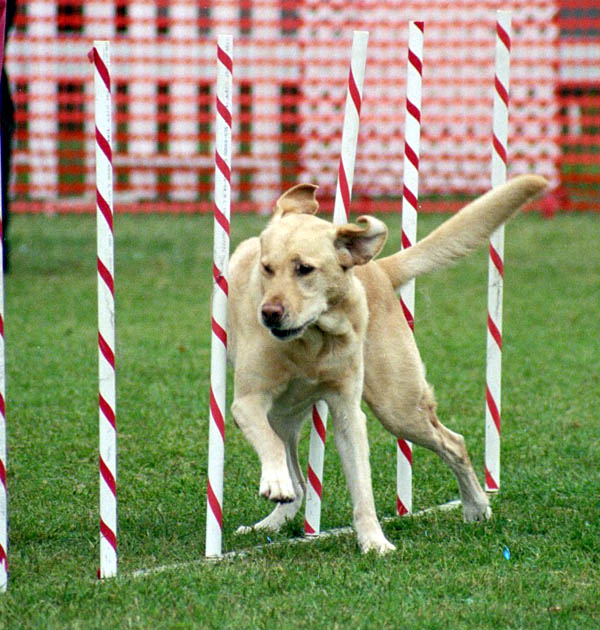
Agility training is a great way to keep your Labrador Retriever physically and mentally stimulated. It involves teaching your dog to navigate through various obstacles such as jumps, tunnels, and weave poles. Introducing agility training to your Labrador Retriever can help improve their coordination, balance, and overall fitness. Not only is it a fun activity for both you and your dog, but it also provides an opportunity for bonding and building trust. Remember to start with basic commands and gradually increase the difficulty level as your dog becomes more comfortable. With consistent training and positive reinforcement, your Labrador Retriever will soon become an agility pro!
Addressing Behavioral Issues
Dealing with excessive barking
Excessive barking can be a common issue with Labrador Retrievers. It is important to address this behavior early on to prevent it from becoming a habit. One effective way to deal with excessive barking is to identify the root cause. Is your Labrador barking out of boredom, fear, or for attention? Once you understand the underlying reason, you can take appropriate measures to address it. Providing mental and physical stimulation, such as regular exercise and interactive toys, can help alleviate boredom and reduce excessive barking. Training your Labrador to respond to commands like ‘quiet’ or ‘enough’ can also be helpful in controlling their barking. Additionally, seeking professional help from a dog trainer or behaviorist can provide valuable guidance and support in dealing with excessive barking.
Managing separation anxiety
Separation anxiety is a common issue that many Labrador Retriever owners face. When left alone, these dogs can become anxious and distressed, leading to destructive behaviors such as excessive barking, chewing, or even attempts to escape. It is essential for owners to manage separation anxiety in their Labrador Retrievers to ensure their well-being and prevent any damage to the home. One effective way to address separation anxiety is to gradually desensitize the dog to being alone. This can be done by starting with short periods of separation and gradually increasing the duration over time. Additionally, providing the dog with interactive toys, such as puzzle feeders or treat-dispensing toys, can help keep them mentally stimulated and distracted while alone. It is also important to create a calm and comfortable environment for the dog, with a designated area for them to relax in. Finally, seeking professional help from a dog trainer or behaviorist may be necessary for severe cases of separation anxiety. By implementing these strategies, Labrador Retriever owners can help their dogs feel more secure and confident when left alone.
Correcting destructive chewing
Correcting destructive chewing is a crucial aspect of training your Labrador Retriever. Many dogs have a natural instinct to chew, and if not properly directed, they may resort to destructive chewing. This behavior can lead to damaged furniture, shoes, and other household items. To address this issue, it is essential to provide your Labrador Retriever with appropriate chew toys and redirect their chewing behavior towards these toys. Additionally, consistent and positive reinforcement is key in teaching your dog what is acceptable to chew on. By consistently redirecting their chewing and rewarding them for chewing on appropriate items, you can effectively correct destructive chewing habits and ensure a well-behaved Labrador Retriever.