Overview
Introduction to Siberian Huskies
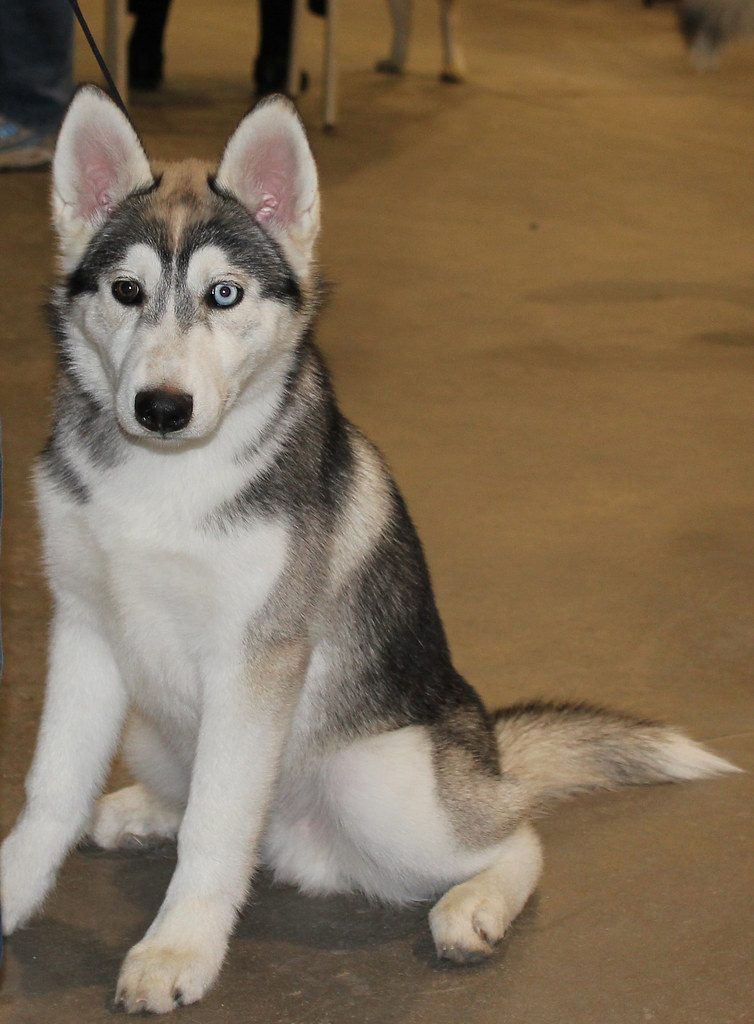
Siberian Huskies are known for their striking appearance and friendly nature. They are a medium-sized breed with a thick double coat that helps them withstand cold temperatures. These dogs have a strong and independent personality, but they also form a deep bond with their owners. The human-dog bond is an essential aspect of owning a Siberian Husky. It is a unique connection that develops through love, trust, and companionship. This bond is strengthened through daily interactions, such as feeding and spending quality time together. Understanding the importance of the human-dog bond is crucial for providing the best care and fulfilling the needs of your Siberian Husky.
Importance of Feeding Guidelines
Feeding guidelines play a crucial role in ensuring the health and well-being of your Siberian Husky. These guidelines provide valuable information on the appropriate types and amounts of food to feed your dog, as well as the frequency of meals. By following these guidelines, you can help prevent nutritional deficiencies and maintain a healthy weight for your Husky. Additionally, feeding guidelines also address the importance of essential training tips, which are crucial for the development and behavior of your dog. These tips help establish a strong bond between you and your Husky and promote positive reinforcement techniques. Therefore, it is essential to adhere to the feeding guidelines to ensure the overall health, growth, and happiness of your Siberian Husky.
Key Factors to Consider
When it comes to feeding your Siberian Husky, there are several key factors to consider. First and foremost, you need to take into account the age and weight of your dog. Puppies and adult dogs have different nutritional needs, so it's important to choose a dog food that is specifically formulated for their life stage. Additionally, the amount of food your Husky needs will depend on their activity level and metabolism. Highly active dogs may require more calories, while less active dogs may need fewer. It's also important to consider any specific dietary restrictions or allergies that your Husky may have. Some dogs may be sensitive to certain ingredients, so it's important to select a dog food that is free of any potential allergens. Finally, it's crucial to monitor your Husky's weight and adjust their food intake accordingly. Obesity can lead to a variety of health issues, so it's important to ensure that your Husky maintains a healthy weight. By considering these key factors, you can provide your Siberian Husky with a balanced and nutritious diet.
Understanding the Nutritional Needs
Breed-specific Requirements
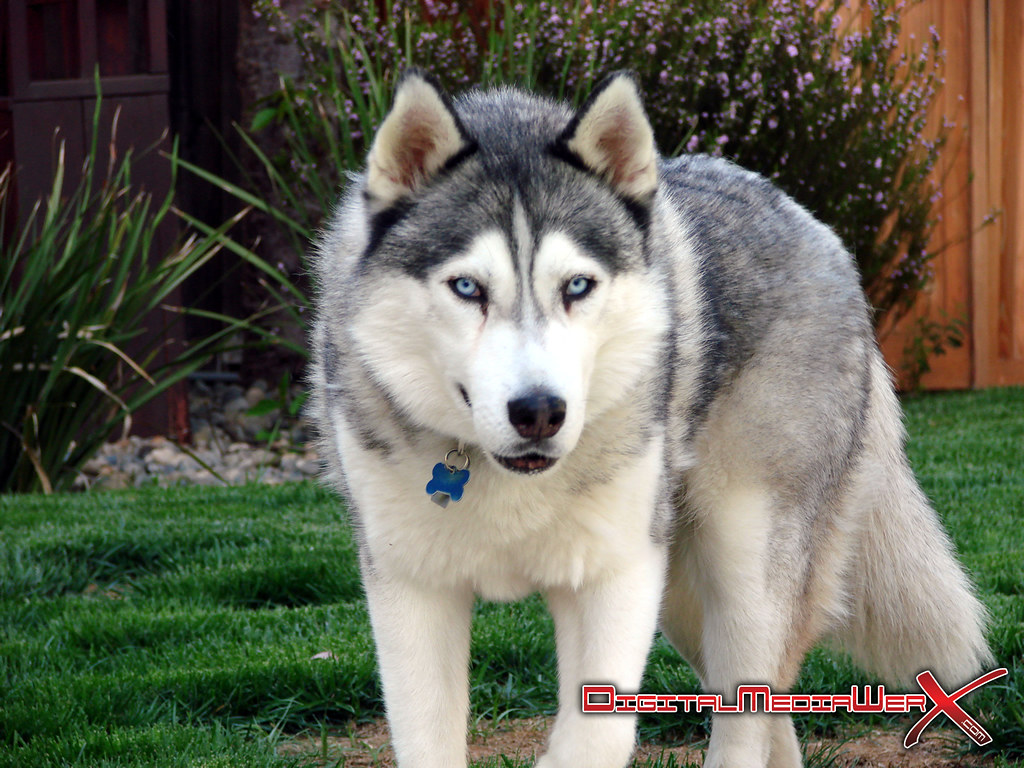
Feeding guidelines for your Siberian Husky can vary depending on the breed-specific requirements. It is important to consider these requirements when determining the appropriate diet for your Husky. One breed-specific requirement to consider is the energy level of the Siberian Husky. They are an active and energetic breed, requiring a diet that provides them with the necessary nutrients and calories to support their activity levels. Another important factor to consider is the size and weight of the Husky. Siberian Huskies can range in size from medium to large, and their diet should be adjusted accordingly. Additionally, Siberian Huskies have a thick double coat that requires regular grooming and maintenance. Their diet should include ingredients that promote a healthy coat and skin. Overall, understanding the breed-specific requirements of the Siberian Husky is essential in providing them with a balanced and nutritious diet.
Age-specific Requirements
Feeding guidelines for your Siberian Husky
Activity Level and Energy Needs
Siberian Huskies are known for their high activity level and energy needs. These dogs are bred for endurance and were originally used as sled dogs in the harsh climates of Siberia. Due to their active nature, Siberian Huskies require a diet that provides them with the necessary fuel to sustain their energy levels throughout the day. It is important to feed them a balanced diet that consists of high-quality protein, carbohydrates, and fats. Additionally, incorporating regular exercise into their daily routine is essential to keep them mentally and physically stimulated. Siberian Huskies have a long keyword lifespan, and it is crucial to meet their energy needs to ensure their overall well-being.
Choosing the Right Food
Quality Ingredients
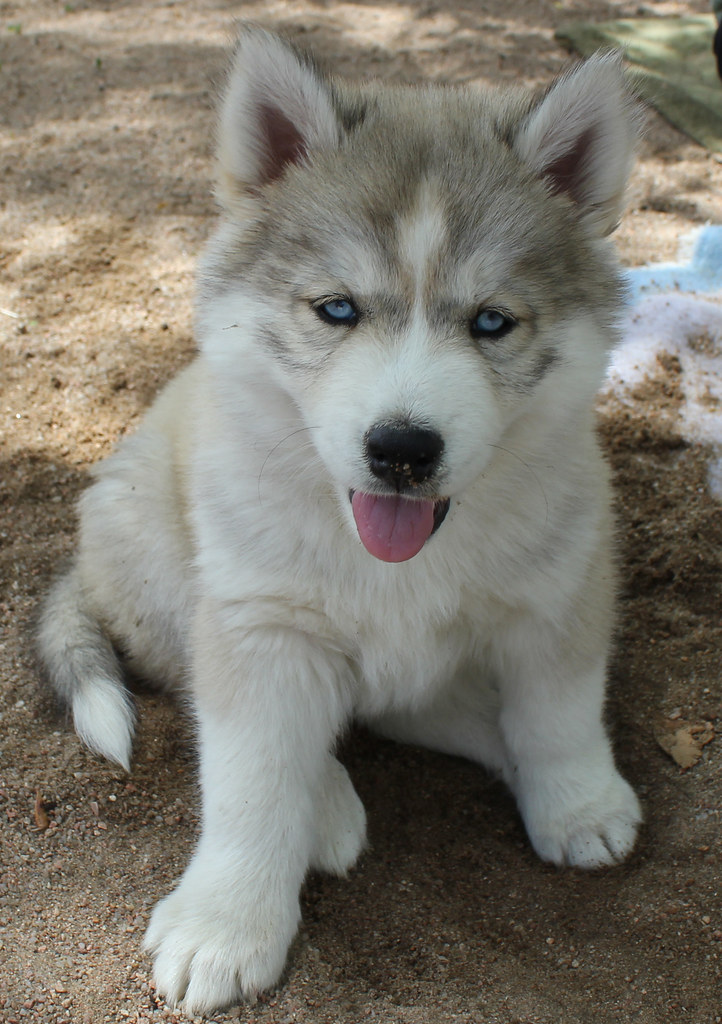
Feeding your Siberian Husky with quality ingredients is crucial for their overall health and well-being. When it comes to choosing the right food for your Husky, it is important to look for ingredients that are rich in nutrients and free from fillers and artificial additives. Quality ingredients such as lean meats, whole grains, and fruits and vegetables provide the necessary protein, carbohydrates, vitamins, and minerals that your Husky needs to thrive. These ingredients also support healthy digestion, strong muscles, shiny coat, and a strong immune system. By feeding your Siberian Husky with quality ingredients, you are ensuring that they receive the best nutrition for a happy and healthy life.
Protein and Fat Content
Protein and fat content are crucial factors to consider when choosing the right food for your Siberian Husky. Understanding the importance of these nutrients will help you provide a well-balanced diet for your furry friend. Protein is essential for muscle development and repair, while fat provides energy and aids in nutrient absorption. When selecting dog food, ensure that it contains high-quality sources of protein, such as chicken, beef, or fish. Additionally, look for moderate levels of fat to maintain your Husky's optimal body condition. It is important to note that every dog is unique, and their dietary needs may vary. Consulting with a veterinarian can help you determine the specific protein and fat requirements for your Siberian Husky. What you should know is that providing the right balance of protein and fat in your Husky's diet is crucial for their overall health and well-being.
Avoiding Common Allergens
Feeding your Siberian Husky a healthy and balanced diet is crucial for their overall well-being. When it comes to avoiding common allergens, it is important to be aware of certain ingredients that can trigger allergic reactions in your Husky. Some common allergens for dogs include grains such as wheat, soy, and corn, as well as certain proteins like beef and chicken. To prevent allergies, it is recommended to choose a dog food that is specifically formulated for sensitive dogs or that is free from these potential allergens. Additionally, introducing new foods gradually and monitoring your Husky for any signs of allergies can help identify and avoid specific allergens. By being mindful of your Husky's dietary needs and taking steps to avoid common allergens, you can help ensure their health and happiness.
Feeding Schedule and Portion Control
Recommended Meal Frequency
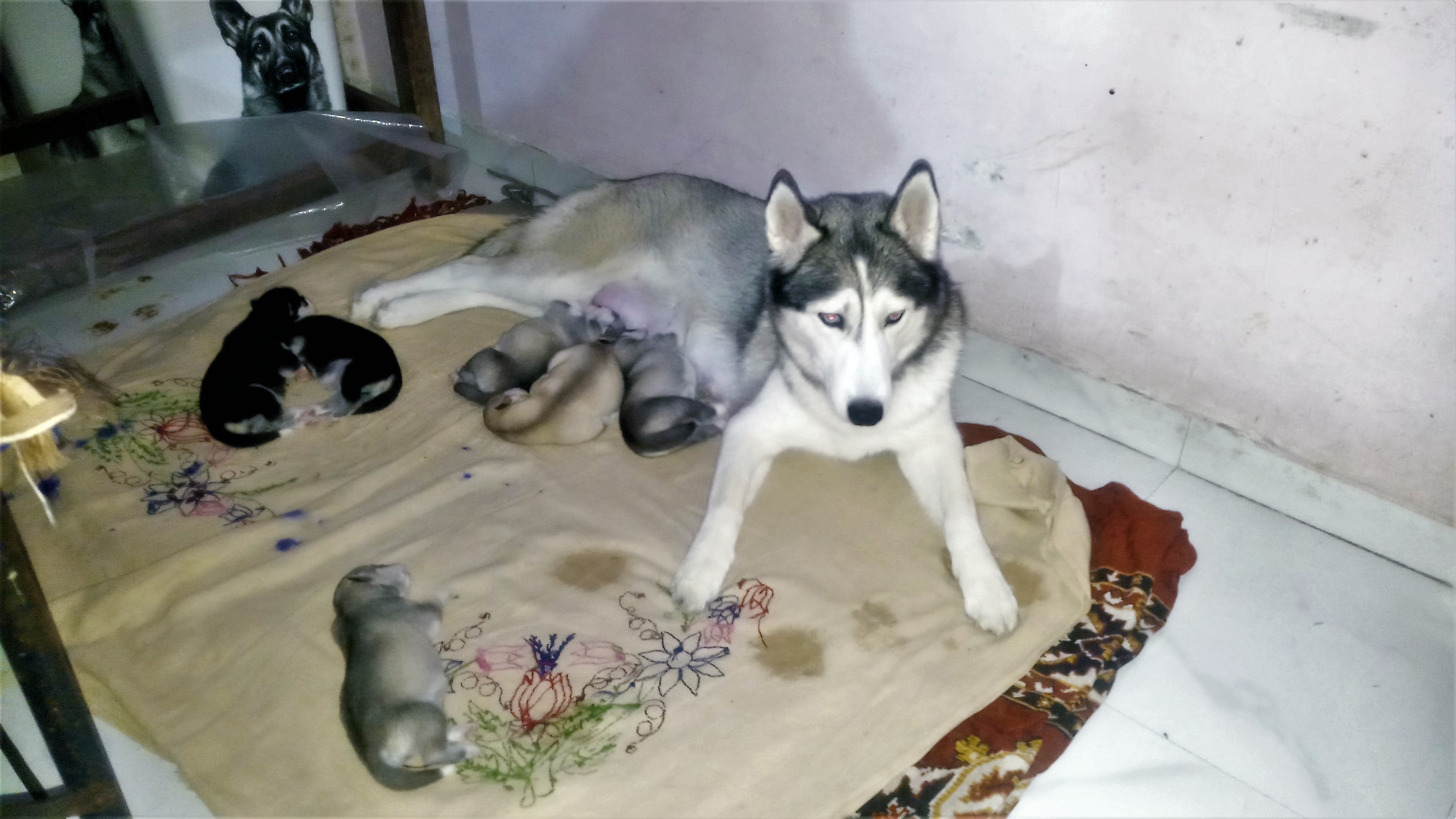
Feeding your Siberian Husky the right amount and at the right frequency is crucial for their overall health and well-being. When it comes to meal frequency, it is recommended to feed adult Siberian Huskies two meals a day. This helps to maintain a consistent energy level throughout the day and prevents overeating. However, it is important to note that every dog is unique, and their specific dietary needs may vary. It is always best to consult with your veterinarian to determine the ideal meal frequency for your Siberian Husky based on their age, weight, activity level, and any specific health concerns. By following the recommended meal frequency, you can ensure that your Siberian Husky receives the proper nutrition they need to thrive.
Portion Sizes for Different Life Stages
Feeding guidelines for your Siberian Husky include portion sizes for different life stages. It is important to understand the appropriate amount of food to give your Husky at different ages. Puppies require more frequent meals and smaller portion sizes to support their rapid growth and development. Adult Huskies have different nutritional needs and should be fed according to their activity level and body condition. Senior Huskies may require a decrease in portion sizes to prevent weight gain and maintain their overall health. It is crucial to consult with your veterinarian to determine the appropriate portion sizes for your Husky based on their specific needs.
Monitoring Weight and Adjusting Portions
Monitoring your Siberian Husky's weight is crucial to ensure their overall health and well-being. By regularly weighing your dog and keeping track of their weight, you can detect any sudden changes that may indicate underlying health issues. Additionally, monitoring their weight allows you to make necessary adjustments to their feeding portions. It is important to note that every dog is unique, and their dietary needs may vary based on factors such as age, activity level, and metabolism. Consult with your veterinarian to determine the appropriate feeding guidelines for your Siberian Husky and make any necessary adjustments to their portions to maintain a healthy weight.
Feeding Tips and Techniques
Slow Feeding Methods
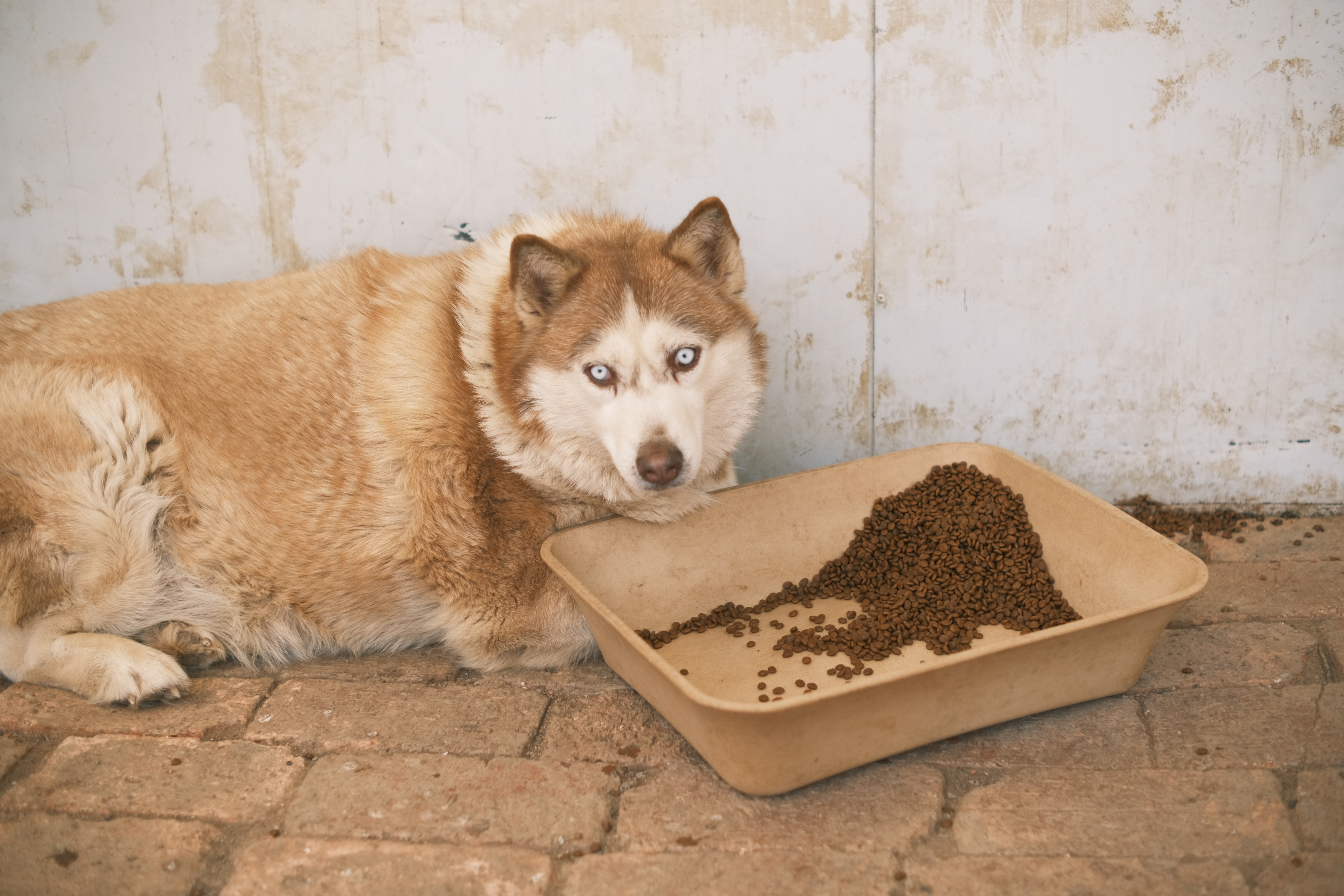
Slow feeding methods are essential for your Siberian Husky's overall well-being. By implementing these methods, you can prevent your dog from eating too quickly, which can lead to digestive issues such as bloating and vomiting. One effective slow feeding method is using a slow feeder bowl, which has obstacles or ridges that make it more challenging for your Husky to access the food. Another method is using puzzle toys or treat dispensers, which require your dog to work for their food, slowing down their eating pace. Additionally, you can also try hand-feeding your Husky, which allows you to control the speed at which they eat. By incorporating these slow feeding methods into your Husky's feeding routine, you can ensure they receive the necessary nutrition while promoting healthy eating habits.
Food Puzzle Toys
Food puzzle toys are a great way to provide mental stimulation for your Siberian Husky. These interactive toys challenge your dog's problem-solving skills and keep them entertained for hours. Not only do they help prevent boredom, but they also provide a fun and rewarding activity for your pet. Siberian Huskies are known for their high energy levels and intelligence, making them perfect candidates for food puzzle toys. By using these toys, you can engage your Husky's natural instincts and keep them mentally and physically active. They will enjoy the challenge of figuring out how to get the treats or food hidden inside the puzzle toy. It's like a personality test for your Husky, as they showcase their problem-solving abilities and determination. So, if you're looking for a way to keep your Siberian Husky entertained and mentally stimulated, consider investing in food puzzle toys.
Feeding in Multiple Sessions
Feeding in multiple sessions is a recommended approach for your Siberian Husky. This feeding method involves dividing your dog's daily food allowance into multiple smaller meals throughout the day. By doing so, you can provide your Husky with a more balanced and consistent energy level, preventing overeating and promoting better digestion. Additionally, feeding in multiple sessions can help prevent boredom and reduce the risk of bloating, a common issue in large breed dogs. It is important to monitor your Husky's weight and adjust the portion sizes accordingly to maintain a healthy body condition. Remember to consult with your veterinarian for specific feeding guidelines tailored to your Husky's age, weight, and activity level.
Special Considerations
Food Allergies and Sensitivities
Food allergies and sensitivities can be a common issue for dogs, including the Siberian Husky. It is important for dog owners to be aware of any potential allergies or sensitivities their Husky may have when it comes to their diet. One breed that is known to be prone to food allergies is the West Highland White Terrier. If you have a West Highland White Terrier, it is crucial to pay close attention to their diet and watch for any signs of an allergic reaction. Some common symptoms of food allergies in dogs include itching, redness, and gastrointestinal issues. If you suspect that your West Highland White Terrier has a food allergy, it is recommended to consult with a veterinarian for proper diagnosis and guidance on an appropriate diet for your dog.
Health Conditions and Dietary Restrictions
Siberian Huskies are generally healthy dogs, but they can be prone to certain health conditions and may have specific dietary restrictions. It is important to be aware of these factors to ensure the overall well-being of your Husky. When it comes to puppies, they have their own set of nutritional needs. It is crucial to provide them with a balanced diet that promotes healthy growth and development. Additionally, puppies have a higher energy requirement than adult dogs, so it is important to feed them accordingly. It is recommended to consult with a veterinarian to create a suitable feeding plan for your Husky puppy. Some common health conditions that may affect Siberian Huskies include hip dysplasia, eye problems, and allergies. These conditions may require special dietary considerations, such as avoiding certain ingredients or providing supplements. By being proactive and addressing any health conditions or dietary restrictions, you can help your Siberian Husky live a happy and healthy life.
Consulting with a Veterinarian
Consulting with a veterinarian is crucial when it comes to ensuring the health and well-being of your Siberian Husky. A veterinarian can provide expert advice on the specific dietary needs of your dog, taking into consideration factors such as age, weight, activity level, and any existing health conditions. They can also help you determine the appropriate portion sizes and feeding schedule for your Husky. Additionally, a veterinarian can guide you on choosing the right type of food for your dog, whether it's dry kibble, wet food, or a combination of both. Regular check-ups with a veterinarian can help monitor your Husky's overall health and address any nutritional concerns. It is important to consult with a veterinarian before making any significant changes to your Husky's diet, especially if you are considering switching to a new brand or introducing homemade meals. By working closely with a veterinarian, you can ensure that your Siberian Husky receives the best possible nutrition for a long and healthy life.