Are you struggling to manage your Pomeranian puppy's ‘ugly' phase? Don't worry, we've got you covered!
In this article, we'll share some helpful tips to help you navigate this challenging time.
From understanding the puppy uglies phase to grooming techniques and nurturing your pup's skin and coat health, we've got all the advice you need.
So, grab a cup of coffee, sit back, and let's dive into managing those Pomeranian puppy uglies together!
Understanding the Pomeranian Puppy Uglies Phase
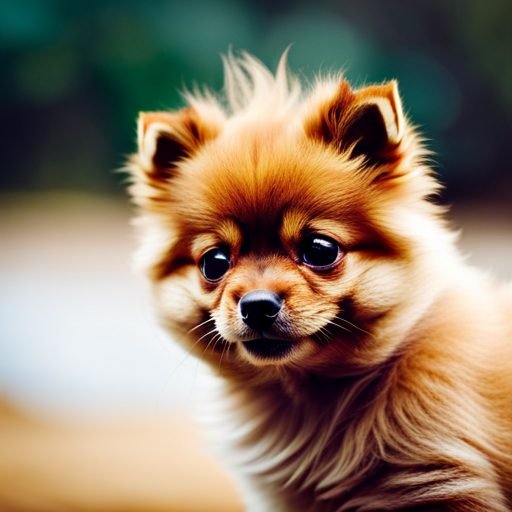
You should look into the Pomeranian Puppy Uglies phase to understand why your puppy's appearance is changing. During this phase, which typically occurs between the ages of 4 to 8 months, your Pomeranian puppy's coat goes through significant changes. It's important to be aware of this phase so that you can properly care for your puppy's changing coat.
Pomeranian puppy coat development is a fascinating process. At around 4 months old, your puppy's soft baby fur will start to be replaced by an adult coat. This transition can result in a drastic change in appearance, with some puppies even looking scruffy or patchy. You may notice that the new fur growing in is thicker, coarser, and more abundant.
Dealing with excessive shedding during the Pomeranian Puppy Uglies phase can be challenging. While shedding is a natural part of a dog's life, it can be more noticeable during this phase. Regular grooming and brushing can help manage the shedding and keep your puppy's coat healthy. It's essential to use proper grooming tools and techniques to avoid damaging the new coat growth.
Understanding the Pomeranian Puppy Uglies phase will help you navigate through this temporary stage of your puppy's development. With proper care and attention, your Pomeranian will soon grow into their beautiful adult coat.
Grooming Tips for Managing the Ugly Coat
To manage your Pomeranian puppy's ugly coat, start by taming its unruly fur. Regular brushing with a slicker brush will help prevent matting and keep the coat looking neat.
Remember to be gentle and patient when grooming to avoid causing any discomfort to your furry friend.
Taming Unruly Pomeranian Fur
If you want to effectively manage your Pomeranian's unruly fur, try using a detangling spray before brushing. Unruly fur management can be a challenging task, but with the right haircare techniques, you can keep your Pomeranian looking fabulous.
Start by gently spraying the detangling spray onto your Pomeranian's coat, focusing on the areas that are most tangled. This will help to loosen the knots and make brushing easier. Use a brush with soft bristles to gently comb through the fur, starting from the roots and working your way down. Take your time and be patient, as Pomeranians have thick double coats that can easily become tangled.
Regular grooming sessions and the use of detangling sprays will help keep your Pomeranian's fur looking beautiful and manageable.
Preventing Matted Pomeranian Coats
Using a high-quality brush and regular grooming can help prevent matted coats in your Pomeranian. Keeping your furry friend's coat tangle-free is essential for their overall health and appearance.
To prevent mats from forming, it's crucial to establish a regular grooming routine. Start by gently brushing your Pomeranian's coat using a slicker brush or a comb designed for long-haired dogs. Pay extra attention to areas prone to matting, such as behind the ears, under the legs, and around the tail.
If you encounter a small tangle, use your fingers or a detangling spray to gently work it out. For more stubborn mats, consider using a detangling technique called ‘line brushing,' which involves dividing the coat into sections and brushing from the roots to the tips.
Nurturing Your Pomeranian's Skin and Coat Health
To keep your Pomeranian's skin and coat healthy, start with a balanced diet that includes essential fatty acids.
Regular grooming routines are also important, including brushing to remove loose hair and prevent matting, as well as bathing with a gentle shampoo designed for dogs.
Taking these steps will help maintain your Pomeranian's skin and coat health and keep them looking their best.
Diet for Healthy Coat
You can improve your Pomeranian's coat health by incorporating omega-3 fatty acids into their diet. A healthy coat is a sign of a well-nourished dog, and nutrition plays a crucial role in maintaining its shine and luster.
To ensure your Pomeranian has a healthy coat, consider these nutrition tips. First, provide a balanced diet that includes high-quality protein sources like chicken or fish. These proteins contain essential amino acids that support coat growth and maintenance.
Additionally, include foods rich in omega-3 fatty acids, such as fish oil or flaxseed, as they help reduce inflammation and promote a healthy coat.
Regular Grooming Routines
When it comes to regular grooming routines, it's important to establish a consistent schedule for brushing, bathing, and trimming your Pomeranian's coat. Regular grooming is essential for maintaining coat health and ensuring your furry friend looks their best.
Start by brushing your Pomeranian's coat at least once a day to prevent tangles and matting. Use a slicker brush or comb to gently remove any loose hair and keep their coat shiny.
Bathing should be done every four to six weeks using a gentle dog shampoo. Be sure to thoroughly rinse their coat to avoid any residue.
Lastly, trimming their coat will help keep it neat and tidy. Regular grooming routines not only keep your Pomeranian looking great, but also contribute to their overall well-being.
Patience and Consistency: Dealing With Shedding
Don't underestimate the power of regular grooming in controlling shedding. When dealing with excessive shedding, it's essential to establish a grooming routine that includes brushing your pet's coat regularly. This not only helps to remove loose hair but also stimulates the skin and promotes a healthy coat.
Additionally, consider minimizing shedding through diet and supplements.
One way to minimize shedding is by feeding your pet a high-quality diet. Look for foods that contain Omega-3 and Omega-6 fatty acids, as these can help improve your pet's skin and coat health. These fatty acids can be found in sources such as fish oil or flaxseed oil.
Another option is to add supplements specifically designed to reduce shedding to your pet's diet. These supplements often contain ingredients like biotin, zinc, and antioxidants, which can help improve your pet's coat condition and reduce excessive shedding.
Styling Hacks to Minimize the Ugly Phase
For a stylish solution to minimize the ugly phase, try incorporating accessories like bandanas or hats to elevate your Pomeranian's look. Styling tricks can be a fun and creative way to manage your Pomeranian's ‘ugly phase' and make them look even more adorable. During this phase, when your Pomeranian is transitioning from a puppy to an adult, they may go through a period where their coat changes and they may not look as cute as usual. However, with a few cute accessories and some creativity, you can help them look their best.
One styling trick is to use bandanas. These cute accessories can be tied around your Pomeranian's neck, adding a pop of color and style to their overall look. You can choose bandanas in different patterns and colors to match your Pomeranian's personality or the season.
Another option is to try hats. There are a variety of cute hats available specifically designed for dogs. From sun hats to beanies, these accessories not only protect your Pomeranian's head but also add a touch of style to their appearance.
Remember that the key to successful styling is to choose accessories that are comfortable and safe for your Pomeranian. Make sure the bandanas or hats fit properly and don't cause any discomfort or restrict their movement.
Seeking Professional Help: When to Consult a Veterinarian
If your Pomeranian puppy is experiencing persistent health issues, it may be time to consult a veterinarian for professional help. Seeking veterinary advice and professional assistance is crucial in ensuring the well-being of your furry friend.
As a responsible pet owner, you want to provide the best care possible for your Pomeranian, and that means seeking expert guidance when needed.
When it comes to your puppy's health, it's important to be proactive. If you notice any unusual symptoms or behaviors, don't hesitate to reach out to a veterinarian. They have the knowledge and experience to diagnose and treat a wide range of health conditions that may be affecting your Pomeranian.
Whether it's a persistent cough, digestive issues, or skin problems, a veterinarian can provide the necessary guidance and treatment options.
Remember, your Pomeranian's health isn't something to take lightly. Ignoring persistent health issues can lead to more serious complications down the line. By seeking professional help, you can address any concerns early on and ensure that your puppy receives the appropriate care and treatment.
Frequently Asked Questions
How Long Does the Pomeranian Puppy Uglies Phase Usually Last?
During the Pomeranian puppy uglies phase, which usually lasts around 4-6 months, you can care for your Pomeranian's coat by brushing regularly and using a detangling spray. Maintain their confidence by providing positive reinforcement and socializing them with other dogs.
Can I Prevent My Pomeranian From Going Through the Uglies Phase?
You can't prevent your Pomeranian from going through the uglies phase, but you can manage their coat during this time. Regular grooming, a balanced diet, and supplements can help minimize shedding and keep their coat healthy.
Are There Any Specific Grooming Tools or Products That Can Help Manage the Uglies Phase?
To manage the uglies phase, use grooming tools and products specifically designed for Pomeranians. Incorporate proper grooming techniques and regular coat care. These tips will help you keep your pup looking adorable during this phase.
What Are Some Common Mistakes to Avoid During the Uglies Phase?
During the uglies phase of managing your Pomeranian puppy, it's important to avoid common mistakes. Be gentle when grooming, don't over-bathe, and avoid using harsh products. Patience and consistency will help you navigate this challenging stage.
Are There Any Dietary Changes That Can Help Improve My Pomeranian's Coat During the Uglies Phase?
Dietary changes can improve your Pomeranian's coat during the uglies phase. Consider adding supplements to their food and adjusting their grooming routine. Natural remedies like coconut oil can also help.
Conclusion
In conclusion, managing the Pomeranian puppy uglies can be challenging but with patience, consistent grooming, and proper care, you can help your pup through this phase.
By understanding the reasons behind the ugly coat, nurturing their skin and coat health, and seeking professional help when necessary, you can minimize the effects of the ugly phase and ensure your Pomeranian looks their best.
Remember, with time and care, your pup will grow into their beautiful adult coat.