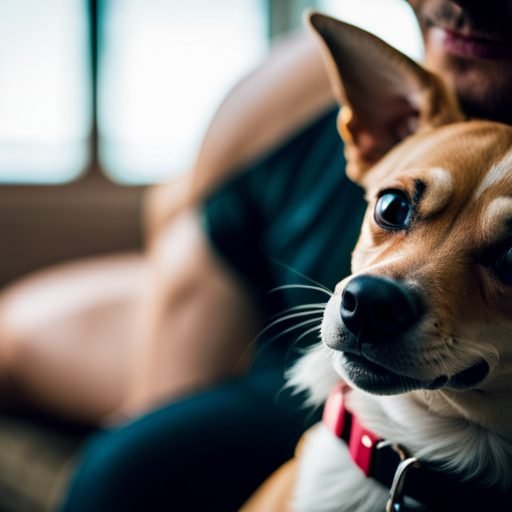
Are you struggling with a mean chihuahua? Don't despair! In this article, we'll show you how to transform fear into friendliness, effectively managing and rehabilitating your furry companion.
By understanding the root causes of aggression, implementing positive reinforcement techniques, and creating a safe environment, you can help your chihuahua become a well-behaved and sociable pet.
We'll also discuss the importance of socializing your chihuahua with other dogs and when it's time to seek professional help from a dog behaviorist.
Let's turn your mean chihuahua into a loving friend!
Understanding the Root Causes of Aggression
If you want to effectively manage and rehabilitate mean Chihuahuas, it's important to understand the root causes of their aggression.
Fear-based aggression is a common issue among Chihuahuas, stemming from their genetic temperament. These pint-sized pups may have a reputation for being feisty, but it's crucial to recognize that their aggression is often a result of fear.
Chihuahuas, like all dogs, have a genetic predisposition to certain behaviors and temperaments. Some Chihuahuas may have inherited genes that make them more prone to fear-based aggression. This means that when they feel threatened or scared, their natural response is to become aggressive. It's not their fault; it's simply how they're wired.
Understanding this genetic temperament is the first step towards effectively managing and rehabilitating mean Chihuahuas. By recognizing that their aggression is rooted in fear, you can approach their training and rehabilitation in a compassionate and understanding manner. Instead of scolding or punishing them for their behavior, focus on creating a safe and secure environment for them.
By addressing the root causes of their aggression and providing them with positive reinforcement and gentle guidance, you can help transform mean Chihuahuas into friendly and well-behaved companions.
Implementing Positive Reinforcement Training Techniques
You can effectively train and rehabilitate mean Chihuahuas by implementing positive reinforcement techniques. Building trust and using rewards effectively are crucial components of this process. When dealing with a mean Chihuahua, it's important to understand that their aggression is often a result of fear or insecurity. By focusing on positive reinforcement, you can help them overcome these negative emotions and transform their behavior.
To begin the training process, it's essential to establish a strong foundation of trust between you and the Chihuahua. Spend time with them, offering treats and praise for good behavior. Show them that you're a source of comfort and safety. This will help build a positive association with you and encourage them to trust you.
Using rewards effectively is vital in shaping their behavior. When the Chihuahua displays positive actions, such as sitting calmly or responding to commands, reward them promptly with treats or verbal praise. This reinforces the desired behavior and encourages them to repeat it in the future.
Avoid punishment or harsh correction methods, as these can escalate aggression and damage the trust you have built. Instead, focus on redirecting their attention to more appropriate behaviors and rewarding those actions.
With patience, consistency, and positive reinforcement techniques, you can successfully train and rehabilitate mean Chihuahuas, transforming them into loving and well-behaved companions.
Creating a Safe and Enriching Environment
To create a safe and enriching environment for your rehabilitated Chihuahua, provide plenty of mental and physical stimulation, such as interactive toys and daily exercise. Chihuahua training isn't just about obedience; it's also about building trust. By providing an environment that promotes mental and physical stimulation, you can help your Chihuahua grow and thrive.
Interactive toys are a great way to engage your Chihuahua's mind and keep them entertained. Puzzle toys, treat-dispensing toys, and interactive fetch toys can provide mental stimulation while also satisfying their need to play. Additionally, daily exercise is essential for your Chihuahua's overall well-being. Taking them for walks, playing fetch, or even setting up a mini agility course in your backyard can help them burn off excess energy and prevent behavioral issues.
Building trust is crucial for a rehabilitated Chihuahua. Take the time to establish a bond with your Chihuahua through positive reinforcement training techniques. Reward good behavior with treats, praise, and affection. Avoid punishment or harsh methods, as these can damage the trust you're trying to build. Be patient and consistent in your training efforts, and remember that building trust takes time.
Socializing Your Chihuahua With Other Dogs
Make sure you introduce your Chihuahua to a variety of dogs, both big and small, so they can learn to socialize and interact with different breeds. Introducing Chihuahuas to new environments is crucial for their development and overall well-being. It's important to expose them to different situations, such as dog parks, pet-friendly cafes, or even just walking around the neighborhood. By gradually introducing them to new environments, you can help them overcome their fear and build their confidence.
Managing a Chihuahua's fear-based aggression can be challenging, but with patience and consistency, it's possible to rehabilitate their behavior. Start by identifying the triggers that cause your Chihuahua to become aggressive. Is it other dogs, strangers, or certain environments? Once you have identified the triggers, you can work on desensitizing your Chihuahua to them. Gradually expose them to the trigger in a controlled and positive manner, rewarding them for calm and friendly behavior.
Remember, socialization is an ongoing process. It's important to continue exposing your Chihuahua to new dogs and environments throughout their life. This will help them become more comfortable and confident in various situations. And always remember to prioritize your Chihuahua's safety and well-being, and never force them into situations that make them uncomfortable.
With patience, consistency, and positive reinforcement, you can help your Chihuahua overcome their fear-based aggression and develop positive social skills.
Seeking Professional Help: When to Consult a Dog Behaviorist
If your Chihuahua's fear-based aggression persists despite your efforts, consider consulting a dog behaviorist for professional help. Identifying signs of fear and anxiety in your Chihuahua is crucial in managing their behavior. Common signs include trembling, excessive barking, growling, snapping, and hiding. These behaviors can escalate if not addressed promptly.
A dog behaviorist can provide expert guidance and design a customized behavior modification plan for your furry friend. Consistency and routine play a vital role in behavior modification. Dogs, especially Chihuahuas, thrive on predictability and structure. Establishing a consistent routine helps them feel secure and reduces anxiety. Consistency includes using the same commands, rewards, and consequences for their actions. By following a routine, you can reinforce positive behaviors and discourage negative ones effectively.
A dog behaviorist can work closely with you to develop a behavior modification plan tailored to your Chihuahua's specific needs. They'll guide you in implementing positive reinforcement techniques, desensitization exercises, and counter-conditioning methods. Additionally, they can help you identify triggers for your Chihuahua's fear-based aggression and develop strategies to manage those situations.
Frequently Asked Questions
How Can I Prevent My Chihuahua From Becoming Aggressive in the First Place?
To prevent your Chihuahua from becoming aggressive, start with early socialization and positive training methods. Understand their breed characteristics and establish proper exercise routines. This will help raise a friendly and well-behaved pet.
What Are Some Common Mistakes That Owners Make When Trying to Rehabilitate a Mean Chihuahua?
When rehabilitating a mean Chihuahua, it's important to avoid common mistakes. Look for signs of aggression, like growling or snapping. Stay calm, provide positive reinforcement, and seek professional help if needed.
Can I Use Punishment-Based Training Methods to Correct My Chihuahua's Aggressive Behavior?
You shouldn't use punishment-based training methods to correct your chihuahua's aggressive behavior. Instead, try using positive reinforcement and reward-based training techniques. These alternatives are more effective and will help build a trusting and friendly relationship with your chihuahua.
How Long Will It Take to See Improvement in My Chihuahua's Behavior After Implementing Positive Reinforcement Training Techniques?
You'll start seeing improvements in your Chihuahua's behavior soon after implementing positive reinforcement training techniques. The timeline for behavior improvement varies, but consistent and effective strategies will help speed up the process.
Are There Any Specific Breeds or Types of Dogs That Are More Likely to Trigger Aggression in Chihuahuas?
Some types of dogs can trigger aggression in chihuahuas. However, you can manage aggression in chihuahuas without using punishment-based training methods. Positive reinforcement and proper socialization are key.
Conclusion
In conclusion, managing and rehabilitating mean chihuahuas requires understanding the root causes of aggression. This involves identifying any past traumatic experiences or genetic predispositions that may contribute to their behavior.
Once the root causes are understood, implementing positive reinforcement training techniques is crucial. This involves rewarding good behavior and redirecting negative behavior through consistent and gentle training methods.
Creating a safe and enriching environment is also important in rehabilitating mean chihuahuas. This includes providing them with a comfortable space where they feel secure, as well as mental stimulation through toys and activities to keep them occupied and prevent boredom-related aggression.
Socializing them with other dogs is another important step. This can be done gradually and under controlled circumstances to help them develop appropriate social skills and reduce fear or aggression towards other animals.
Lastly, seeking professional help when necessary is essential. A professional dog trainer or behaviorist can provide expert guidance and support throughout the rehabilitation process.
By following these steps and providing consistent love and care, you can help your chihuahua overcome their fear and become a friendly and well-adjusted companion. Remember, patience and understanding are key in this process.


