If you're searching for the ultimate blend of adorable and powerful, look no further than the Pug and Rottweiler cross. This mixed breed brings together the best traits of both worlds, resulting in a unique and captivating companion.
In this article, we'll explore the physical characteristics, temperament, and health considerations of this perfect mix. Plus, we'll provide you with training tips and insights into their socialization and exercise needs.
Get ready to unravel the traits of this extraordinary hybrid dog.
Physical Characteristics of a Pug and Rottweiler Cross
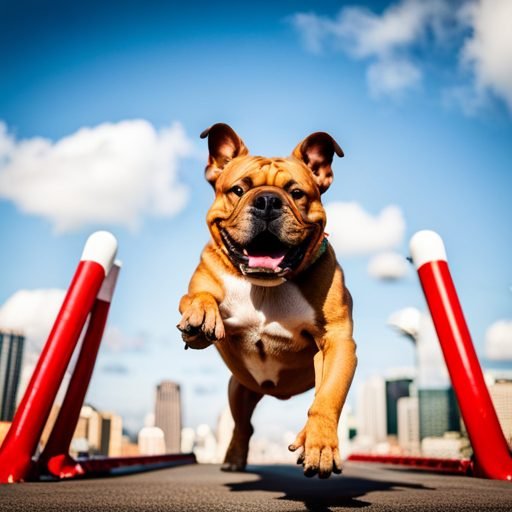
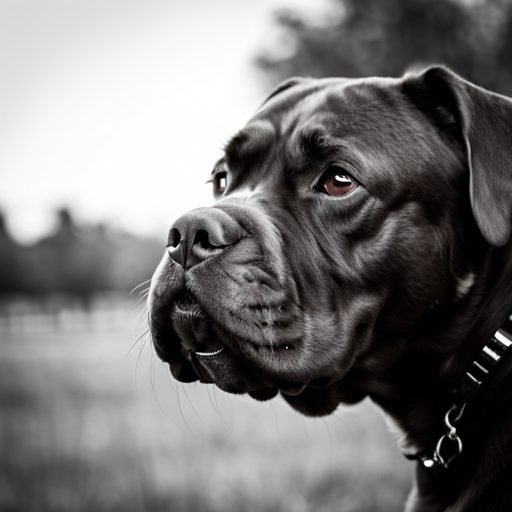
You'll notice that the pug and Rottweiler cross has a unique blend of physical features. This mix, also known as the Pug Rottweiler mix or Puggle, showcases a fascinating appearance that captures the essence of both breeds.
In terms of size, the Pug Rottweiler mix can vary. Generally, they tend to be medium-sized dogs, but there can be some variations depending on the individual dog's genetics. You may come across Puggles that lean towards the smaller side, taking after the Pug parent, while others might have a larger build, resembling the Rottweiler parent.
Their appearance is also influenced by their parent breeds. Puggles often inherit the short, wrinkled muzzle of the Pug, along with the expressive and soulful eyes. Their body structure may feature the muscular build of a Rottweiler, combined with the shorter legs of a Pug. The coat of a Pug Rottweiler mix can vary in color, ranging from black and tan to fawn and brindle.
Overall, the Pug Rottweiler mix showcases an intriguing blend of physical features, making them a visually appealing and unique breed.
Temperament and Personality Traits
To truly understand the Pug Rottweiler mix, it's important to explore their temperament and personality traits. These adorable hybrid dogs can display a range of characteristics inherited from their Pug and Rottweiler parents. When it comes to aggression tendencies, the Pug Rottweiler mix can vary. While Rottweilers have a reputation for being protective and sometimes aggressive, Pugs are generally known for their friendly and sociable nature. The temperament of the mix can lean towards either parent breed, so it's crucial to socialize them from an early age to ensure they develop into well-rounded and balanced dogs.
In terms of energy levels, the Pug Rottweiler mix typically falls somewhere in between. Pugs are known for their low energy levels, while Rottweilers are more energetic and require regular exercise. The mix may inherit the Pug's laid-back demeanor or the Rottweiler's need for physical activity. It's important to provide them with daily exercise to prevent boredom and potential behavioral issues.
Overall, the Pug Rottweiler mix can be a wonderful companion with the right training and socialization. Understanding their temperament and personality traits is key to ensuring a happy and well-adjusted pet. Remember to give them plenty of love, attention, and exercise to keep them healthy and content.
Health Considerations for This Mixed Breed
You should be aware that the Pug Rottweiler mix may be prone to certain health conditions, such as hip dysplasia and respiratory issues. These common health issues can affect the quality of life for your furry companion, so it's important to be informed and proactive in managing their well-being.
Hip dysplasia is a condition where the hip joint doesn't develop properly, causing pain and mobility issues. Regular exercise and a balanced diet can help maintain a healthy weight, reducing the risk of developing this condition. Additionally, respiratory issues can be a concern for Pug Rottweiler mixes due to their brachycephalic (short-nosed) features. These dogs may experience difficulty breathing, especially in hot weather or during exercise. Keeping them cool and providing a well-ventilated environment can help alleviate respiratory stress.
When it comes to dietary needs, it's important to feed your Pug Rottweiler mix a high-quality dog food that meets their specific nutritional requirements. This mixed breed may have a tendency to gain weight, so portion control is key. Consult with your veterinarian to determine the appropriate feeding regimen for your dog's age, size, and activity level.
Training Tips for a Pug and Rottweiler Cross
Sometimes, it's helpful to incorporate positive reinforcement and consistency when training a Pug and Rottweiler cross. When it comes to potty training, it's important to establish a routine and take your dog outside frequently to the designated spot. When your pup eliminates in the appropriate area, reward them with praise and treats. This positive reinforcement will help them understand where they should go.
However, accidents may happen, especially during the early stages. If your crossbreed has an accident indoors, it's essential not to scold or punish them. Instead, calmly clean up the mess and continue with the training process.
Obedience training is another crucial aspect of your Pug and Rottweiler cross's development. Consistency is key in this type of training. Use clear and concise commands, such as ‘sit,' ‘stay,' and ‘come.' Start with short training sessions and gradually increase the duration as your dog becomes more focused. Remember to reward them with treats and praise for following commands correctly.
Additionally, socialization is vital for your crossbreed's obedience training. Introduce them to different environments, people, and animals to ensure they're well-rounded and obedient in various situations.
Socialization and Exercise Needs
For optimal development, ensure that your Pug and Rottweiler cross receives proper socialization and regular exercise, as this will contribute to their overall well-being. Socialization challenges may arise due to the unique characteristics of both breeds, but with the right approach, you can help your furry friend become a well-adjusted and confident companion.
When it comes to socialization, it's important to expose your Pug and Rottweiler cross to various people, animals, and environments from an early age. This will help them become comfortable and adaptable in different situations. Introduce them to different sounds, sights, and smells to prevent fear or aggression towards unfamiliar stimuli. Gradually increase the level of difficulty in social interactions, ensuring positive experiences.
Finding the right exercise routine is crucial for your Pug and Rottweiler cross. Both breeds have different exercise needs, so it's important to strike the right balance. Pugs tend to be less energetic, while Rottweilers are more active. Incorporating daily walks, playtime, and mental stimulation activities can help keep them physically and mentally stimulated. However, be mindful of their individual limitations and consult with a veterinarian to avoid overexertion or strain.
Frequently Asked Questions
What Are Some Common Names for a Pug and Rottweiler Cross?
Looking for names for your pug and rottweiler cross? Here are some common ones: Puggweiler, Rottpug, Puggweiler, Rottug, and Pugweiler. These unique mixes can come in a variety of coat colors!
How Long Does It Take for a Pug and Rottweiler Cross to Reach Full Size?
It takes a pug and Rottweiler cross about 1-2 years to reach full size. When training a pug and Rottweiler cross, consistency and positive reinforcement are key. Potential health issues in these mixes include respiratory problems and hip dysplasia.
Are Pug and Rottweiler Crosses Good With Children?
Pug and Rottweiler crosses make suitable pets for families with young children. Their temperament and behavior around kids are generally good. They are known to be friendly and gentle, making them great companions.
Can a Pug and Rottweiler Cross Be Left Alone for Long Periods of Time?
A pug and Rottweiler cross may not be the best choice if you need to leave them alone for long periods of time. Their temperament may differ from their parent breeds, and they require regular exercise.
Are Pug and Rottweiler Crosses Prone to Any Specific Dental Issues?
Preventing dental issues in pug and rottweiler crosses is important. Regular dental care, such as brushing their teeth and providing dental chews, can help maintain good oral health for these mixed breeds.
Conclusion
So if you're looking for a unique and lovable four-legged companion, a Pug and Rottweiler cross might just be the perfect mix for you. With their adorable physical characteristics and a combination of temperaments and personalities, they offer a delightful blend of traits.
However, it's important to consider their health needs and provide proper training and socialization. With the right care and attention, this mixed breed can bring endless joy and companionship to your life.