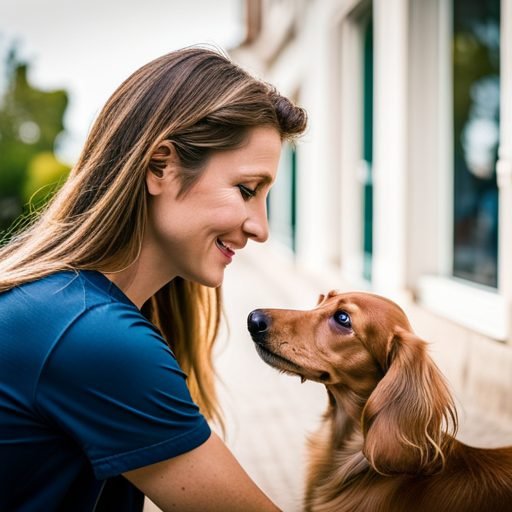
Are you struggling to train and socialize your blonde long haired dachshund? Look no further!
In this article, we'll guide you through the process step by step. You'll learn how to meet the specific needs of your dachshund, establish a solid training foundation, and successfully socialize them with other dogs and people.
We'll also tackle behavioral challenges and provide tips for correcting unwanted habits.
With our guidance, you'll ensure a lifetime of training and socialization success for your beloved furry friend.
Understanding the Needs of Your Blonde Long Haired Dachshund
You should understand the needs of your blonde long haired dachshund to ensure their happiness and well-being. Building a strong bond with your furry friend is essential for a harmonious relationship. Dachshunds are known for their loyalty and affectionate nature, so investing time and effort in understanding their needs will go a long way.
Proper grooming is an important aspect of caring for your blonde long haired dachshund. Their beautiful coat requires regular brushing to prevent matting and tangling. Use a slicker brush or a comb with wide teeth to remove any loose hair and keep their coat looking shiny and healthy. Additionally, regular baths are necessary to maintain their cleanliness. Be sure to use a gentle shampoo specifically designed for dogs to avoid any skin irritations.
Grooming sessions also provide an opportunity to bond with your dachshund. Take this time to gently massage their body, inspect their ears, and check their teeth and nails. Not only will this help in keeping them clean and healthy, but it will also strengthen the trust and bond between you and your furry companion.
Understanding the needs of your blonde long haired dachshund, including proper grooming, is crucial for their well-being and happiness. By building a strong bond and investing time in their care, you can ensure that they thrive and enjoy a fulfilling life with you.
Establishing a Solid Training Foundation
Have you considered utilizing positive reinforcement techniques and consistency in order to establish a solid training foundation for your blonde long haired dachshund? Building trust and using positive reinforcement are key components in training your furry friend. By rewarding desired behaviors with treats, praise, and affection, you can effectively communicate what you expect from your dachshund.
Consistency is also crucial, as it helps your dog understand the boundaries and rules you have set.
To begin building trust, spend quality time with your dog and create a positive and loving environment. Engage in activities that your dachshund enjoys, such as playing fetch or going for walks together. This won't only strengthen your bond but also establish you as a reliable and trustworthy leader.
When it comes to training, positive reinforcement is the most effective method. Reward your dachshund with treats and praise whenever they exhibit the desired behavior, such as sitting or staying. This encourages them to repeat the behavior in the future. Remember to be patient and consistent in your training approach.
Dogs thrive on routine and repetition, so practicing the same commands and behaviors regularly will help them understand and retain what you're teaching.
Socializing Your Dachshund With Other Dogs and People
To properly socialize your dachshund, it's important to introduce them to other dogs and people in a controlled and positive environment. Start by gradually exposing your dachshund to different sights, sounds, and smells. Take them to parks or outdoor areas where they can observe other dogs and people from a distance. This will help them become familiar with the presence of others.
Once your dachshund is comfortable with the sights and sounds, it's time to introduce them to new environments. The key is to take it slow and not overwhelm them. Choose a dog park that has a separate small dog area or a designated area for shy or timid dogs. This will provide a safe space for your dachshund to interact with other dogs at their own pace.
When introducing your dachshund to new dogs, always ask the owner for permission and ensure both dogs are on a leash. Keep the initial interactions short and positive, gradually increasing the duration as your dachshund becomes more comfortable.
Addressing Behavioral Challenges and Correcting Unwanted Habits
While addressing behavioral challenges and correcting unwanted habits, it's important to remain consistent in your training methods.
One common challenge that dog owners face is correcting leash pulling. To address this issue, start by teaching your dog the ‘heel' command. Use positive reinforcement techniques, such as treats or praise, to reward your dog for walking calmly by your side. Consistently reinforce this behavior, gradually increasing the duration and distractions.
Another challenge that many dogs experience is separation anxiety. To manage this, start by gradually desensitizing your dog to your departures. Practice leaving for short periods of time and gradually increase the duration. Provide your dog with interactive toys or puzzle feeders to keep them occupied while you're away. Additionally, create a safe and comfortable space for your dog, such as a crate or a designated area with their bed and toys. Consider using calming aids, such as pheromone diffusers or music, to help alleviate anxiety.
Ensuring a Lifetime of Training and Socialization Success
You can ensure a lifetime of training and socialization success by consistently exposing your dog to various environments and experiences. Maintaining consistency is key in training your dog.
By exposing them to different situations, such as different sounds, people, and animals, you're helping them become well-rounded and adaptable. This will make them less likely to be fearful or reactive in new situations.
Using positive reinforcement is another important aspect of training and socialization. Rewarding your dog with treats, praise, and playtime when they exhibit desired behaviors will motivate them to continue behaving well. It's important to avoid punishment or negative reinforcement, as this can create fear and anxiety in your dog. Positive reinforcement will strengthen the bond between you and your dog and make training a positive experience for both of you.
Consistency is key in maintaining the training and socialization of your dog. It's important to continue exposing them to different environments and experiences throughout their life. This will help them stay confident and well-behaved in any situation.
Remember to always use positive reinforcement and reward good behavior. With consistency and positive reinforcement, you can ensure a lifetime of training and socialization success for your dog.
Frequently Asked Questions
Can I Train My Blonde Long Haired Dachshund to Do Tricks?
Yes, you can train your blonde long haired dachshund to do tricks! Teaching tricks to a dachshund can be fun and rewarding. Use positive reinforcement, short training sessions, and plenty of treats to encourage their learning.
How Do I Introduce My Dachshund to New People Without Them Being Overwhelmed?
To introduce your dachshund to new people without overwhelming them, start by taking it slow. Gradually expose your pup to different individuals, using positive reinforcement and treats. Always prioritize their comfort and provide a safe environment for positive socialization.
Can I Socialize My Dachshund With Other Pets Like Cats or Birds?
Yes, you can socialize your dachshund with other pets like cats or birds. It's important to introduce them gradually and supervise their interactions. Training your dachshund for obedience will also help in creating a harmonious environment.
What Should I Do if My Dachshund Starts Showing Signs of Aggression Towards Other Dogs?
If your dachshund shows signs of aggression towards other dogs, it's important to address the issue promptly. Seek professional help from a dog trainer experienced in dealing with dog aggression. Managing a reactive dog requires patience and consistent training.
How Long Does It Usually Take to Fully Train and Socialize a Dachshund?
On average, it takes time to fully train and socialize a dachshund. But with effective socialization tips, you can expedite the process. Stay patient, consistent, and provide positive reinforcement to help your dachshund become a well-behaved companion.
Conclusion
In conclusion, training and socializing your blonde long haired dachshund is crucial for their well-being and happiness. By understanding their needs, establishing a solid training foundation, and addressing any behavioral challenges, you can ensure a lifetime of success in their training and socialization.
Remember to be patient, consistent, and provide positive reinforcement to create a well-rounded and well-behaved companion. With dedication and love, your dachshund will thrive and enjoy a fulfilling life alongside you.