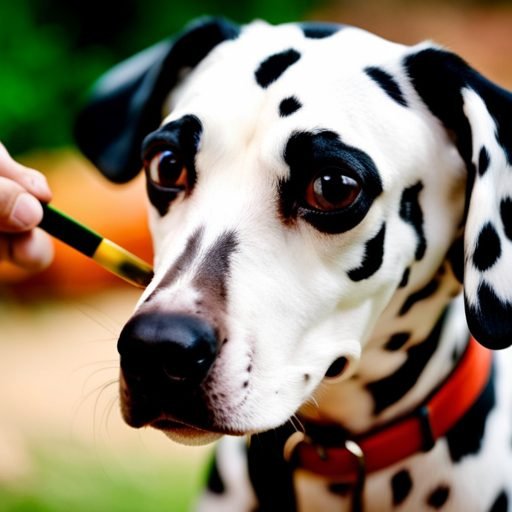
Are you bringing home a new German Shepherd puppy? Creating a welcoming environment is essential for their happiness and well-being.
In this article, we’ll guide you through the steps to make your home a safe and comfortable space for your furry friend.
From choosing the right living space to setting up a cozy bedding area, we’ll help you create the perfect environment for your German Shepherd puppy to thrive.
Let’s get started!
Choosing the Right Living Space
You should consider the size of your living space when choosing a suitable home for your German Shepherd puppy.
One important factor to consider is whether you prefer indoor or outdoor living for your furry friend. German Shepherds are known to adapt well to both environments, but it ultimately depends on your personal preference and lifestyle.
If you have a small apartment or limited outdoor space, indoor living might be the better option. In this case, you’ll need to puppy-proof your living area to ensure the safety of your puppy. This includes removing any hazardous items such as toxic plants or small objects that could be swallowed. Additionally, you should invest in sturdy toys and chewing alternatives to keep your puppy occupied.
On the other hand, if you have a spacious backyard, outdoor living can provide your German Shepherd with ample space to run and play. However, it’s still important to puppy-proof the outdoor area by securing fences and removing any potential dangers, such as sharp objects or poisonous substances.
Ultimately, the size and layout of your living space will determine whether indoor or outdoor living is the best choice for your German Shepherd puppy.
Setting Up a Comfortable Bedding Area
Make sure to provide your German Shepherd puppy with a cozy bed in their bedding area for a comfortable night’s sleep. Choosing the right bed is essential for your puppy’s well-being and overall happiness. German Shepherds are known for their size and energy, so it’s important to select a bed that’s large enough to accommodate their growing bodies. Look for beds that are made of durable materials and have enough padding to support their joints.
In addition to a comfortable bed, providing cozy blankets can also enhance your puppy’s sleeping experience. German Shepherds have a thick double coat, so they naturally love to snuggle up and feel warm. Blankets not only provide extra warmth but also give your puppy a sense of security and comfort. You can choose blankets made of soft, plush materials that your puppy can burrow into.
When setting up your puppy’s bedding area, consider placing the bed in a quiet and peaceful corner of your home. This will give them a sense of privacy and help them relax. Avoid placing the bed near drafty areas or direct sunlight, as extreme temperatures can make it uncomfortable for your puppy.
Creating a Safe and Secure Outdoor Space
To ensure the safety and security of your German Shepherd puppy in their outdoor space, it’s crucial that you carefully monitor their activities and utilize sturdy fencing.
Outdoor playtime is important for your puppy’s physical and mental development, but it’s essential to create a space that’s both enjoyable and safe.
Start by puppy proofing the area. Remove any potential hazards such as sharp objects, toxic plants, or small items that could be swallowed. Check the fence for any gaps or loose boards that your puppy could squeeze through or chew on. Make sure the gate is secure and can’t be easily opened.
Supervision is key during outdoor playtime. Be present and attentive to your puppy’s behavior. Watch out for any signs of distress or discomfort. If your puppy starts digging or trying to escape, redirect their attention to a toy or engage them in a game. Remember, accidents can happen quickly, so always keep a close eye on your furry friend.
Consider adding some shade and water to the outdoor space. This will provide your puppy with relief from the sun and help prevent dehydration. Provide a comfortable area for your puppy to rest and relax after playtime.
Organizing Essential Supplies for Your Puppy
Gather all the necessary supplies for your new German Shepherd puppy, including food bowls, a comfortable bed, chew toys, and grooming supplies.
When it comes to training aids, consider investing in a crate for crate training, as well as a leash and collar for teaching your puppy to walk on a leash. These tools will help you establish a routine and teach your puppy basic commands.
Additionally, grooming tools are essential for keeping your German Shepherd’s coat healthy and shiny. A slicker brush can remove loose hair and prevent matting, while a comb can help you remove any tangles. Don’t forget to get nail clippers to keep your puppy’s nails at a proper length. Regular grooming sessions won’t only keep your puppy looking their best, but it will also help you bond with them.
Establishing a Routine for Training and Socialization
Take your German Shepherd puppy for daily walks and engage in regular playtime to establish a routine for training and socialization. Puppy socialization techniques are essential for your German Shepherd’s development and overall well-being. By exposing your puppy to various people, animals, and environments, you can help them become well-adjusted and confident adults.
When it comes to training methods for German Shepherd puppies, consistency is key. Start with basic commands such as sit, stay, and come. Use positive reinforcement, such as treats or praise, to reward good behavior. Avoid using harsh punishments or physical force, as this can damage the bond between you and your puppy.
In addition to obedience training, it’s important to socialize your German Shepherd puppy with other dogs and people. Arrange playdates with well-behaved dogs to teach your puppy proper social skills. Introduce them to different environments, noises, and experiences gradually, ensuring they feel safe and secure throughout the process.
Remember to make training and socialization sessions fun and engaging for your puppy. Use interactive toys and games to keep them mentally stimulated and motivated. Be patient and understanding, as puppies learn at their own pace.
Frequently Asked Questions
How Can I Introduce My German Shepherd Puppy to Other Pets in the House?
To introduce your German Shepherd puppy to other pets in the house, start with supervised interactions, allowing them to sniff and observe each other. Gradually increase their time together, rewarding positive behavior and providing separate spaces if needed.
What Is the Best Way to Potty Train a German Shepherd Puppy?
To potty train your German Shepherd puppy, crate training and housebreaking methods are your best bet. Make sure to establish a consistent routine and reward them for going outside. Patience is key!
How Often Should I Feed My German Shepherd Puppy?
You should feed your German Shepherd puppy multiple small meals throughout the day to meet their nutritional requirements. A consistent feeding schedule will help them develop a healthy appetite and maintain proper growth.
Are There Any Specific Toys or Chew Items That Are Recommended for German Shepherd Puppies?
There are many chew toys that are recommended for German Shepherd puppies. Some of the best options include Kong toys, Nylabones, and rubber chew toys designed specifically for teething puppies.
What Is the Best Age to Start Obedience Training With a German Shepherd Puppy?
Can you start training a German Shepherd puppy at a younger age? Yes, you can start obedience training as early as 8 weeks old. Some common challenges when training a German Shepherd puppy include their high energy and strong-willed nature.
Conclusion
In conclusion, by choosing the right living space, setting up a comfortable bedding area, creating a safe outdoor space, organizing essential supplies, and establishing a routine for training and socialization, you can create a welcoming environment for your German Shepherd puppy.
This will ensure their happiness, comfort, and overall well-being as they grow and develop into a beloved member of your family.