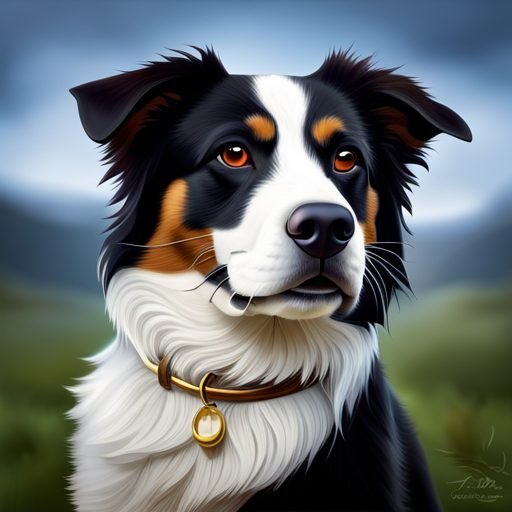
Are you interested in learning about the unique qualities of Shiloh Shepherds and German Shepherds? Look no further!
This article explores their physical characteristics, temperament, trainability, health, exercise needs, and adaptability.
Discover what sets these breeds apart and why they are beloved by so many dog enthusiasts.
Get ready to dive into the fascinating world of these remarkable canine companions!
Physical Characteristics
You should compare the five physical characteristics of Shiloh Shepherds and German Shepherds to determine which breed is better suited for your needs. When it comes to size and structure, Shiloh Shepherds are generally larger and have a more substantial build compared to German Shepherds. They’ve a straighter back and a wider chest, giving them a more imposing presence.
On the other hand, German Shepherds are known for their agility and athleticism. They’ve a leaner body and a more angled rear end, which allows them to excel in activities like agility trials and obedience competitions.
In terms of coat types and colors, Shiloh Shepherds usually have a longer and thicker coat compared to German Shepherds. Their double coat provides them with better insulation, making them more suitable for colder climates. Shiloh Shepherds can come in a variety of colors, including sable, black and tan, and solid white.
German Shepherds, on the other hand, have a shorter and denser coat. They’re commonly seen in black and tan, bi-color, or solid black.
Ultimately, choosing between a Shiloh Shepherd and a German Shepherd will depend on your specific needs and preferences. If you’re looking for a larger, more imposing dog with a thick coat, then a Shiloh Shepherd might be the better choice for you. However, if you prioritize agility and athleticism and prefer a shorter coat, then a German Shepherd might be the more suitable breed.
Temperament and Personality
The temperament and personality of Shiloh Shepherds and German Shepherds can vary, but both breeds are known to be intelligent and loyal companions. When it comes to socialization techniques, it’s crucial to expose these dogs to different environments, people, and animals from an early age. This helps them develop confidence and adaptability, preventing any potential behavioral issues later on.
Shiloh Shepherds are generally friendly and gentle, making them great family pets. They’re known for their calm and mellow nature, which makes them well-suited for households with children or other pets.
On the other hand, German Shepherds are highly intelligent and protective. They’re known for their loyalty and make excellent working dogs. German Shepherds require consistent training and mental stimulation to keep them occupied.
Both breeds have their unique behavioral traits and tendencies. Shiloh Shepherds are more laid-back and less prone to aggression, while German Shepherds can be more alert and wary of strangers.
Despite their differences, both breeds are known for their devotion to their families, making them cherished companions for those who appreciate their intelligence and loyalty.
Trainability and Intelligence
When it comes to trainability and intelligence, both Shiloh Shepherds and German Shepherds possess remarkable abilities.
They have a quick learning curve and can pick up commands and new skills with ease.
Additionally, their problem-solving abilities and adaptability to training make them highly trainable and intelligent breeds.
Learning Curve Differences
Understanding the significant learning curve differences between Shiloh Shepherds and German Shepherds can greatly influence your training approach.
When it comes to socialization requirements, both breeds benefit from early and consistent exposure to different people, animals, and environments. However, Shiloh Shepherds tend to be more accepting of strangers and other animals, while German Shepherds may exhibit more wariness or protectiveness.
In terms of handling and grooming techniques, Shiloh Shepherds have a thicker and longer coat that requires regular brushing to prevent matting. German Shepherds, on the other hand, have a dense double coat that sheds heavily twice a year, requiring more frequent grooming during those times.
Understanding these differences will help you tailor your training methods and ensure the overall well-being and happiness of your furry companion.
Problem-Solving Abilities
You can consistently improve your dog’s problem-solving abilities by incorporating regular training sessions and using positive reinforcement.
Dogs, like humans, have cognitive abilities that allow them to think, learn, and solve problems. By engaging in training sessions, you provide your dog with mental stimulation and the opportunity to develop their problem-solving skills.
During these sessions, you can introduce various puzzles or games that require your dog to use their cognitive abilities to find a solution. Positive reinforcement, such as treats or praise, can further enhance their problem-solving skills by rewarding them for their efforts and encouraging them to continue thinking and exploring.
Remember to be patient and consistent in your training, as building problem-solving abilities takes time and practice. With dedication and positive reinforcement, your dog will become a master problem-solver.
Adaptability to Training
You can gauge your dog’s adaptability to training by observing how quickly they learn new commands and techniques, as well as how well they can apply their training to different situations.
When it comes to trainability differences, some dogs are more responsive and eager to please, while others may be more independent and stubborn.
Training techniques play a crucial role in determining how well your dog adapts to training. Positive reinforcement, such as rewards and praise, often yield better results compared to punishment-based techniques.
It’s important to tailor your training approach to your dog’s individual needs and temperament. Some dogs may respond better to structured and consistent training sessions, while others may benefit from shorter, more frequent sessions.
Health and Longevity
Take care of your health and you’ll increase your longevity. When it comes to lifespan expectations, genetic predispositions play a significant role. Understanding your genetic makeup can give you insight into potential health risks and help you make informed decisions about your lifestyle. By adopting a proactive approach to your well-being, you can mitigate the impact of genetic factors and improve your chances of living a long, healthy life.
Genetic predispositions refer to the likelihood of developing certain conditions based on your inherited genes. While you can’t change your genetic makeup, you can modify your lifestyle to minimize the risks associated with these predispositions. For example, if you have a family history of heart disease, you can focus on maintaining a balanced diet, exercising regularly, and managing stress levels to reduce the chances of developing cardiovascular issues.
Lifespan expectations vary from person to person and are influenced by a combination of genetic factors and lifestyle choices. By adopting healthy habits such as eating a nutritious diet, getting regular exercise, avoiding smoking, and managing stress, you can significantly increase your chances of living a longer and more fulfilling life.
Taking care of your health is a lifelong commitment, and it’s never too late to start. By making conscious choices about your lifestyle and seeking medical advice when necessary, you can take control of your well-being and maximize your longevity. Remember, your health is your most valuable asset, so invest in it wisely.
Exercise and Activity Needs
Get up and get moving to meet your exercise and activity needs. Exercise routines play a vital role in maintaining good physical and mental health. Regular physical activity not only keeps your body fit but also stimulates your mind. Engaging in exercises that challenge your body and mind can have a profound impact on your overall well-being.
To meet your exercise needs, it’s important to establish a consistent routine that includes a variety of activities. Incorporating aerobic exercises like running, swimming, or cycling can help improve cardiovascular health and increase endurance. Strength training exercises, such as weightlifting or bodyweight exercises, can build muscle and improve bone density. Don’t forget to include flexibility exercises like stretching or yoga to improve your range of motion and prevent injuries.
In addition to physical exercise, mental stimulation is equally important. Engaging in activities that challenge your brain, such as puzzles, reading, or learning a new skill, can help enhance cognitive function and prevent mental decline.
Adaptability to Different Environments
An article about the adaptability of different dog breeds to various environments will help you understand how certain breeds thrive in different settings. Dogs are known for their environmental flexibility and versatility in various settings.
Some breeds, like the Shiloh Shepherd and German Shepherd, are particularly adept at adapting to different environments.
The Shiloh Shepherd is a breed that excels in adapting to different surroundings. Their calm and easygoing nature allows them to thrive in both urban and rural settings. They can adapt to apartment living, as long as they receive enough exercise and mental stimulation. On the other hand, they’re also well-suited to living in the countryside, where they can freely explore and roam.
German Shepherds are another breed known for their adaptability. They’re highly versatile and can adapt to a variety of environments. Whether it’s a busy city or a quiet countryside, German Shepherds can adjust and thrive. They’re intelligent, trainable, and have a strong work ethic, making them suitable for various tasks such as search and rescue, police work, and even as therapy dogs.
Frequently Asked Questions
Are Shiloh Shepherds and German Shepherds Suitable for Families With Young Children?
Shiloh Shepherds and German Shepherds are both suitable for families with young children. They have different temperaments when interacting with kids, but both breeds can be loving and protective.
What Are Some Common Health Issues That Shiloh Shepherds and German Shepherds May Experience?
Common health issues in Shiloh Shepherds and German Shepherds include hip dysplasia, degenerative myelopathy, and allergies. Regular exercise, a balanced diet, and regular vet check-ups can help prevent these issues.
How Do Shiloh Shepherds and German Shepherds Compare in Terms of Shedding and Grooming Needs?
When comparing Shiloh Shepherds and German Shepherds, you’ll find that their shedding and grooming needs differ. Shiloh Shepherds tend to shed less and require less grooming, while German Shepherds shed more and need regular grooming. Both breeds have high exercise and activity requirements.
Do Shiloh Shepherds and German Shepherds Have Any Specific Dietary Requirements?
Shiloh Shepherds and German Shepherds have specific dietary requirements. They both need a balanced and nutritious diet to stay healthy. These breeds are suitable for families who can provide proper food for them.
Can Shiloh Shepherds and German Shepherds Be Trained for Specific Tasks, Such as Search and Rescue or Therapy Work?
Yes, both Shiloh Shepherds and German Shepherds can be trained for specific tasks like search and rescue or therapy work. Their training can also focus on agility competitions. Additionally, there are temperament differences between the two breeds.
Conclusion
In conclusion, both Shiloh Shepherds and German Shepherds possess unique qualities that set them apart.
From their physical characteristics to their temperament and trainability, these breeds are known for their intelligence and loyalty.
Additionally, they have specific exercise and activity needs that owners must meet to keep them happy and healthy.
While they may differ in some aspects, both breeds are adaptable to various environments.
Whether you choose a Shiloh Shepherd or a German Shepherd, you can expect a loving and devoted companion.