Are you curious about the key differences between Shiloh Shepherds and German Shepherds? Look no further!
In this article, we'll explore the contrasting characteristics of these two popular dog breeds. From size and appearance to temperament and behavior, exercise levels to trainability and intelligence, health and lifespan to grooming and maintenance, we'll cover it all.
So, if you're considering getting a shepherd dog, read on to discover which breed might be the perfect fit for you.
Size and Appearance
You should compare the size and appearance of Shiloh Shepherds and German Shepherds to understand their differences. When it comes to size comparison and growth patterns, these two breeds have distinct characteristics.
Shiloh Shepherds are generally larger than German Shepherds. On average, Shiloh Shepherds can weigh between 80 to 140 pounds, whereas German Shepherds typically weigh between 50 to 90 pounds. This size difference is mainly due to the breeding goals of each breed. Shiloh Shepherds were developed to be larger and more substantial, while German Shepherds were bred to be agile and versatile working dogs.
In terms of physical characteristics, Shiloh Shepherds have a more relaxed and gentle appearance compared to German Shepherds. They have a broad and deep chest, a straight back, and a well-muscled body. Their ears are usually straight or slightly tipped forward.
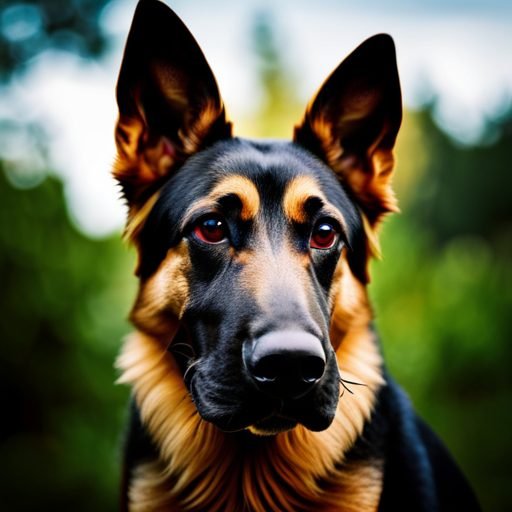
On the other hand, German Shepherds have a more compact and athletic build. They have a sloping back, a deep chest, and well-defined muscles. Their ears are erect and pointed.
Overall, while both breeds share some similarities in appearance, the size and physical features of Shiloh Shepherds and German Shepherds set them apart from each other.
Temperament and Behavior
Shiloh Shepherds and German Shepherds exhibit contrasting temperaments and behaviors. When it comes to aggression levels, Shiloh Shepherds tend to be more laid-back and gentle compared to German Shepherds. While German Shepherds can be protective and assertive, Shiloh Shepherds are typically friendly and easygoing. This difference in temperament makes Shiloh Shepherds a great choice for families with children or homes with other pets, as they're generally less likely to display aggressive behavior.
In terms of socialization needs, both breeds require early and consistent socialization to ensure they grow up to be well-adjusted dogs. However, German Shepherds have a higher need for socialization due to their protective instincts. They can be wary of strangers and may exhibit aggression if not properly socialized. On the other hand, Shiloh Shepherds are generally more accepting of new people and situations, making them easier to socialize.
It is important to note that individual variations can occur within each breed, and proper training and socialization play a significant role in shaping a dog's behavior. If you're considering either breed, it's crucial to research and understand their specific needs to ensure a happy and harmonious relationship with your furry friend.
Exercise and Activity Levels
When it comes to exercise and activity levels, it's important to consider the specific needs of both German Shepherds and Shiloh Shepherds.
These two breeds have different energy levels throughout the day, and their exercise requirements can vary.
German Shepherds are known for their high energy levels and need plenty of physical activity to stay healthy and happy. They thrive on outdoor exercise, such as running, playing fetch, and going on long walks or hikes. They require mental stimulation as well, so activities like obedience training or agility courses can be beneficial.
On the other hand, Shiloh Shepherds have a slightly lower energy level compared to German Shepherds. They still need regular exercise, but they may be content with a mix of outdoor and indoor activities. A daily walk or play session in the yard can meet their exercise needs, but they also enjoy mental challenges like puzzle toys or training sessions.
It's important to monitor their energy levels and adjust their exercise routine accordingly to ensure they're getting enough physical and mental stimulation. By understanding the energy levels and exercise requirements of both breeds, you can provide them with the appropriate activities to keep them healthy and happy.
Trainability and Intelligence
If you want a highly trainable and intelligent dog, both German Shepherds and Shiloh Shepherds are great options to consider. These breeds are known for their exceptional trainability and problem-solving abilities. When it comes to training techniques, both German Shepherds and Shiloh Shepherds respond well to positive reinforcement methods. They thrive on praise and rewards, making training sessions enjoyable and effective. It's important to establish a strong bond with your dog and be consistent in your training approach.
German Shepherds are renowned for their intelligence and versatility. They excel in various dog sports, including obedience, agility, and tracking. Their problem-solving abilities make them excellent candidates for tasks such as search and rescue, police work, and service dog duties. Their high level of intelligence requires mental stimulation, so engaging them in challenging activities is essential.
Shiloh Shepherds, on the other hand, are a newer breed and are often considered a gentler and more laid-back alternative to German Shepherds. While they possess the same trainability and intelligence, Shiloh Shepherds are known for their calm and easygoing temperament. They're eager to please and respond well to training, making them suitable for families and individuals looking for a loyal and well-behaved companion.
Health and Lifespan
You should prioritize your dog's health and lifespan by providing regular veterinary care and a balanced diet. Taking care of your dog's genetic health is essential to ensure they live a long and happy life.
Genetic health refers to the overall wellbeing and condition of your dog's genes, which can affect their susceptibility to certain health issues. By understanding your dog's breed and potential genetic health concerns, you can take proactive steps to prevent or manage common health issues.
Some breeds are more prone to certain health problems than others. For example, large breeds like Great Danes are more susceptible to joint issues such as hip dysplasia, while smaller breeds like Bulldogs may experience respiratory problems. By knowing your dog's breed-specific health risks, you can work closely with your veterinarian to develop a preventative health plan.
This may include regular check-ups, vaccinations, and screenings for any potential health conditions. Additionally, providing a balanced diet that meets your dog's nutritional needs is crucial for their overall health and wellbeing.
Grooming and Maintenance
Taking care of your Shiloh Shepherd or German Shepherd's coat is essential for their overall health and appearance.
Coat care tips such as regular brushing, shedding management, and proper nail trimming techniques are key to keeping your dog looking and feeling their best.
Let's discuss these important aspects of grooming and maintenance in more detail.
Coat Care Tips
To keep your Shiloh Shepherd's coat in top condition, make sure to regularly brush through and moisturize it with a high-quality conditioner. Shiloh Shepherds have a thick double coat that requires special attention to maintain its health and appearance.
When it comes to grooming tools and techniques, there are a few key tips to keep in mind. Firstly, invest in a slicker brush and a grooming rake to effectively remove any tangles or mats. These tools will help to prevent shedding and keep your dog's coat looking smooth and shiny.
Additionally, using a high-quality conditioner after each brushing session will help to moisturize the coat and keep it soft. Regular grooming sessions not only ensure your Shiloh Shepherd looks their best but also helps to maintain their overall health and well-being.
Shedding and Brushing
Brushing your Shiloh Shepherd's coat regularly helps to prevent shedding and maintain its health and appearance. Dealing with shedding can be a challenge, but with the right tools and techniques, you can keep your dog's coat looking its best.
Choosing the right brush is crucial in effectively managing shedding. Look for a brush specifically designed for long-haired breeds like the Shiloh Shepherd. A slicker brush or a de-shedding tool with fine teeth can help remove loose hair and prevent matting. Make sure to brush your dog's coat in the direction of hair growth to avoid causing discomfort.
Regular brushing not only reduces shedding but also stimulates the skin and promotes a healthy coat. So take time to brush your Shiloh Shepherd regularly and enjoy a clean and healthy pup.
Nail Trimming Techniques
Make sure you trim your Shiloh Shepherd's nails regularly to prevent them from becoming too long and causing discomfort. Proper paw care is important for your dog's overall health and wellbeing.
Along with nail trimming, it's essential to pay attention to paw pad maintenance. Shiloh Shepherds, just like any other breed, rely on their paws for walking, running, and playing. Their paw pads are sensitive and can easily be damaged if not properly cared for.
Regularly inspect your Shiloh Shepherd's paws for any signs of cuts, cracks, or foreign objects. Clean their paws after walks to remove any dirt or debris. Moisturizing their paw pads with a pet-friendly balm can help keep them soft and prevent dryness.
Frequently Asked Questions
Are Shiloh Shepherds and German Shepherds Suitable for Families With Children?
Shiloh Shepherds and German Shepherds are both suitable for families with children. They have different temperaments and training needs, but both require regular exercise and have high activity levels.
Can Shiloh Shepherds and German Shepherds Live in Apartments or Do They Require a Large Yard?
Living in an apartment can be challenging for both Shiloh Shepherds and German Shepherds due to their exercise needs. They both require regular physical activity, so a large yard or nearby parks would be beneficial.
Do Shiloh Shepherds and German Shepherds Have Any Specific Dietary Requirements?
Shiloh Shepherds and German Shepherds have different exercise needs and grooming requirements. So when it comes to dietary requirements, it's essential to consider these factors and consult with a veterinarian for specific recommendations.
Are There Any Notable Differences in the Barking Tendencies Between Shiloh Shepherds and German Shepherds?
When comparing the barking tendencies of Shiloh Shepherds and German Shepherds, the former tend to be more vocal. However, both breeds require regular exercise to keep them happy and healthy.
Are Shiloh Shepherds and German Shepherds Prone to Any Specific Health Issues That Potential Owners Should Be Aware Of?
As a potential owner, it's important to be aware of specific health issues that both Shiloh Shepherds and German Shepherds can be prone to. Take care of their well-being and ensure regular vet check-ups.
Conclusion
In conclusion, when comparing Shiloh Shepherds and German Shepherds, it's clear that there are several key differences between the two breeds.
From their size and appearance to their temperament and behavior, exercise levels, trainability, health, and grooming needs, each breed possesses unique qualities.
Whether you prefer a larger, more gentle companion or a versatile working dog, understanding these differences can help you make an informed decision when choosing the perfect dog for you and your family.